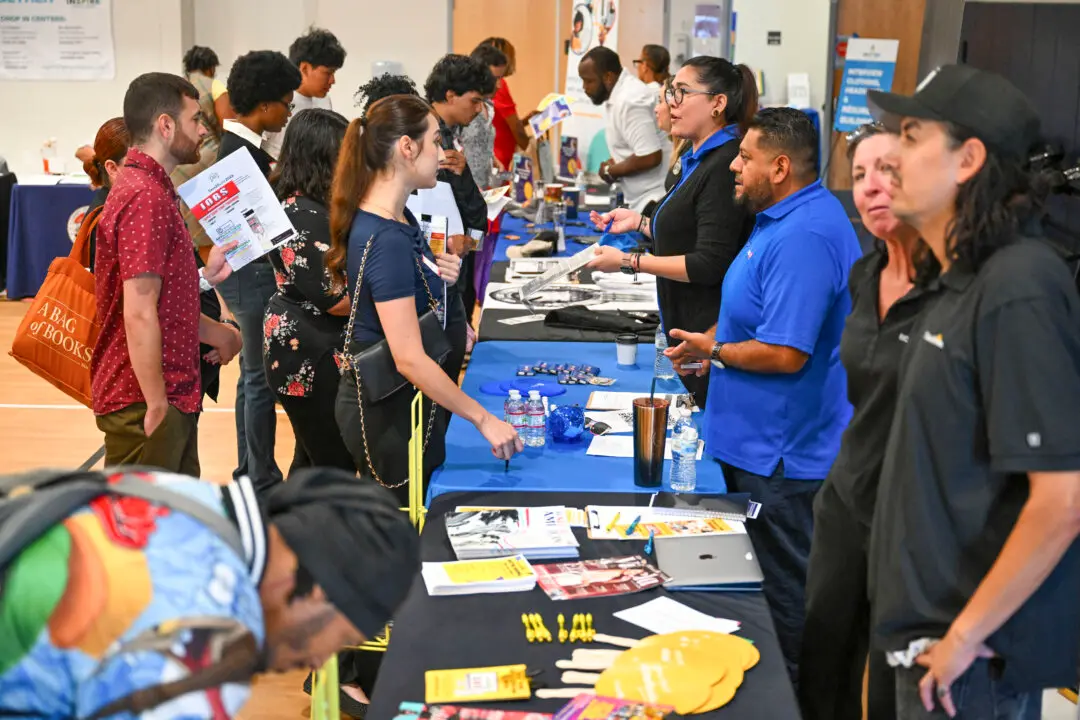
California created about 275,000 fewer jobs than estimated between September 2022 and September 2023, according to a new report.
Citing Bureau of Labor Statistics (BLS) data, the Legislative Analyst’s Office (LAO) found that the state added only 50,000 jobs in the 12-month period, down from initial estimates of 325,000.
The sharp downward revisions in the employment surveys revealed an overestimate in the number of in several sectors. The decreased counts were reflected in many high-paying industries, including professional services (132,000), finance (36,000), and information (11,000).
Data show that job growth in the government and health care sectors was underestimated by 24,000 and 11,000, respectively, during this span.
The pace of employment growth in The Golden State was adjusted lower to 0.3 percent, down from 1.7 percent before the changes.
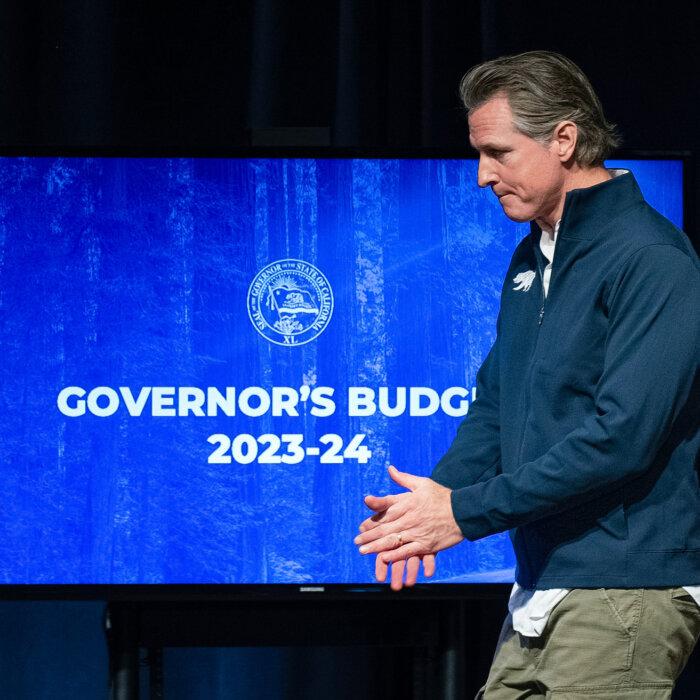

State employment figures are revised every March so that the monthly estimates mirror the payroll numbers collected from businesses.
Overall, according to a separate report, California maintained the lowest employment growth in the country last year, totaling 0.87 percent. This was down from the previous year’s expansion of 5.5 percent, represented the lowest reading since 1993, and was less than half the national rate of 2 percent.
By comparison, the top three states for job growth were Nevada (3.4 percent), Florida (3.4 percent), and Texas (3.1 percent). States just ahead of California were Iowa (1.1 percent), Massachusetts (1.1 percent), and Maryland (1.1 percent).
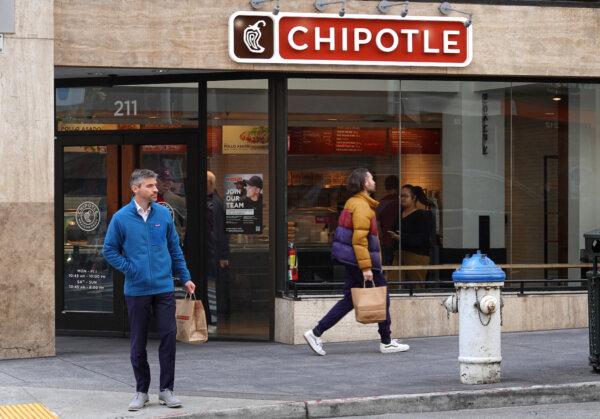
In addition, new WalletHub figures highlight that fewer California workers are quitting their jobs, alluding to fresh concerns about the state of the labor market.
Revisions Have Become a Dominant Theme
Over the past year, downward revisions have become a common trend in the monthly jobs report at the national level. In 10 of the last 12 months, the Bureau of Labor Statistics has adjusted employment gains lower by approximately half a million.While adjustments are expected in the month-to-month data, experts have wondered why they have been primarily in one direction and sizable.
Stephen Moore, a former economic adviser to former President Donald Trump and co-founder of the Committee To Unleash Prosperity, told The Epoch Times that mistakes are expected in the vast data collection, but they are anticipated “to be random.”
“I don’t think there’s anything sinister. I don’t think they’re trying to manipulate the data. There’s something wrong with the way they’re measuring job growth,” Mr. Moore told The Epoch Times.
Some economists had likened the latest development to the 2008 global financial crisis when statisticians failed to keep up with the downturn. That year, there were downward revisions in 11 of the 12 months, totaling 556,000.
According to a chorus of economic experts, the federal revisions suggest that the labor market is cooling off, but they would unlikely affect public policymaking or the financial markets.
State of the US Labor Market
The consensus is that the U.S. labor market remains strong. However, observers note there are signs that conditions could deteriorate as the year progresses.“Firms have already started to cut down on hours per worker, which declined by more than 0.6% year over year in the first six months of 2023. We expect the cutting of hours to serve as a precursor to a slower pace of total job gains,” he noted.
“Temporary-help employment has also been declining over the past year, a metric that often is a harbinger of more widespread job-cutting.”
Temp-help jobs have been steadily declining since peaking in March 2022 and are at their lowest levels since December 2020.
Layoffs have also been noticeable to kick off 2024.
“As we navigate the start of 2024, we’re witnessing a persistent wave of layoffs. Businesses are aggressively slashing costs and embracing technological innovations, actions that are significantly reshaping staffing needs,” stated Andrew Challenger, labor and workplace expert and Senior Vice President of Challenger, Gray & Christmas, Inc.
The consensus is that unemployment will be above 4 percent by the end of the year. In February, the jobless rate shot up to a higher-than-expected 3.9 percent.