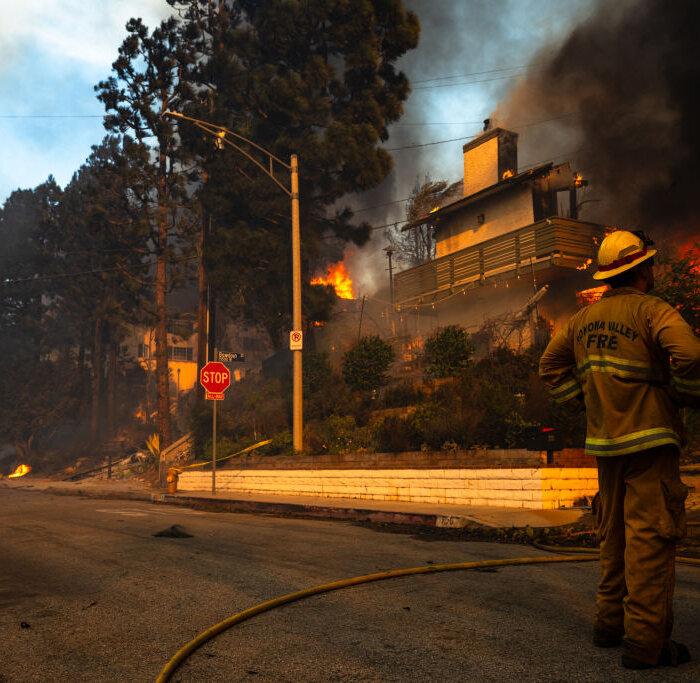
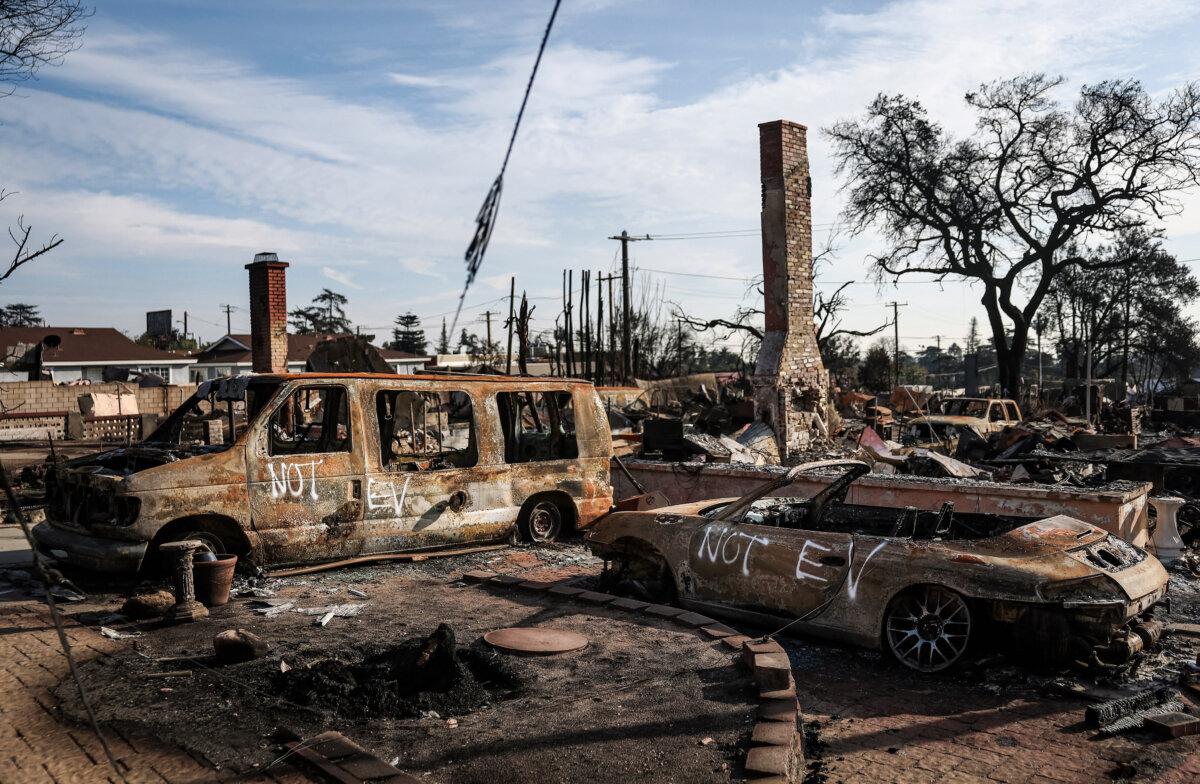
California lawmakers are considering legislation that would spur the creation of development districts to build affordable housing and homeless complexes in areas scorched by the Palisades and Eaton wildfires.
The bill would also relax a requirement that development districts be coterminous, or have the same boundaries, as city or county boundaries. Under the new law, local governments could draw boundaries to give the district a transit or low-income focus.
The legislation passed the state Senate in May.
State Sen. Ben Allen (D-Santa Monica), who authored the legislation, claims SB 549 gives local governments the ability to take full advantage of the 2018 measure.
Under the 2018 law, cities and counties can create special districts to fund affordable housing and economic revitalization. The districts are to be governed by a public financing authority made up of at least three elected officials and two local community members who live or work in the area. The authority is able to issue bonds.
Supporters of SB 549 are hoping its tweaks to NIFTI-2 requirements will spur the creation of such districts.
Opponents are concerned the measure would take land-use decisions away from local residents, and voices on social media objected to the prospect of rebuilding authorities acquiring land at rock-bottom prices from frustrated homeowners.
“What they’re proposing is a separate government entity to be comprised of political appointees, not people elected by you, who would have centralized authority over construction permitting, development land acquisition, and other key decisions that will shape the future of the Palisades,” Park said in the video.
“I don’t want to be sidelined from the conversations and decisions, and I don’t want you to be steamrolled by people you didn’t elect to represent your interests.”
According to the California Department of Housing and Community Development, which oversees the funding, the money is earmarked only for communities affected by the Palisades and Eaton wildfires and will prioritize projects that are ready to begin construction. The projects must also include a resident preference for households displaced by the fires, according to the agency.