“States are often on the front lines of developing strong privacy and technology protections for their residents—I urge lawmakers to remove the 10-year AI regulation ban provision on states and allow this important work to continue.”
The letter was signed by the attorneys general of those states as well as CPPA Executive Director Tom Kemp and the attorney general of Vermont, who is not a member of the consortium.
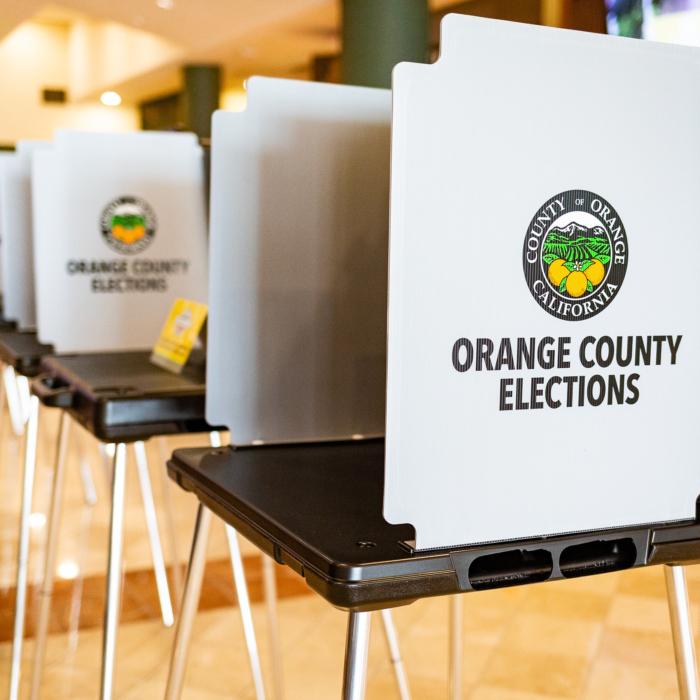

The consortium argued that states have traditionally taken the lead in creating privacy and technology regulations, in part because state privacy officials are on the front lines of handling consumer complaints. The letter also noted that state privacy laws already apply to the AI sector, particularly in ensuring that consumers are informed about how their personal information will be used.
“We object to any proposal that would unduly constrain states’ authority to regulate AI, whether it’s a straightforward preemption of state law, or conditioning federal funds on compliance with federal policy,” the consortium stated in the letter.
The moratorium on AI enforcement in the federal budget reconciliation bill would remove the ability of states to protect consumer rights, according to the consortium.
“By creating a single national standard for AI, the bill ends the chaos of 50 different state laws and makes sure American companies can develop cutting-edge tech for our military, infrastructure, and critical industries—without interference from anti-innovation politicians,” Lutnick said. “This is required to stay ahead of our adversaries and keep America at the forefront of AI.”
In 2018, California passed the California Consumer Privacy Act (CCPA). Under the law, businesses must respond to consumer requests to exercise their rights and must notify consumers of their privacy practices. The law also gives consumers the option to opt out of the sale or sharing of their personal information for targeted advertising.
The consortium’s letter stated that the enforcement moratorium would undermine protections such as the CCPA and similar laws in other states.
“The state privacy laws ... are working as intended—protecting consumer privacy while allowing businesses to thrive and innovate,” the consortium wrote. “Indeed, the tech sector’s ability to adapt and thrive among these state privacy regimes demonstrates that regional protections do not impede business operations or technological advancement.”
In May, Bonta sent a letter to Congress along with 40 attorneys general from both sides of the aisle expressing a similar sentiment.
At the federal level, officials are discussing the importance of staying ahead of China in AI development. In February, U.S. Secretary of Energy Chris Wright compared AI to a present-day Manhattan Project.
“Today, we are again calling on the brilliant minds of our great nation to win the next race: AI. This rapidly evolving technology will have enormous impacts on our national security, and President Trump and I remain committed to leveraging our nation’s unparalleled research and development infrastructure to win this great power competition.”
Also in February, Vice President JD Vance warned of the threat posed by regimes that gain access to AI technology.