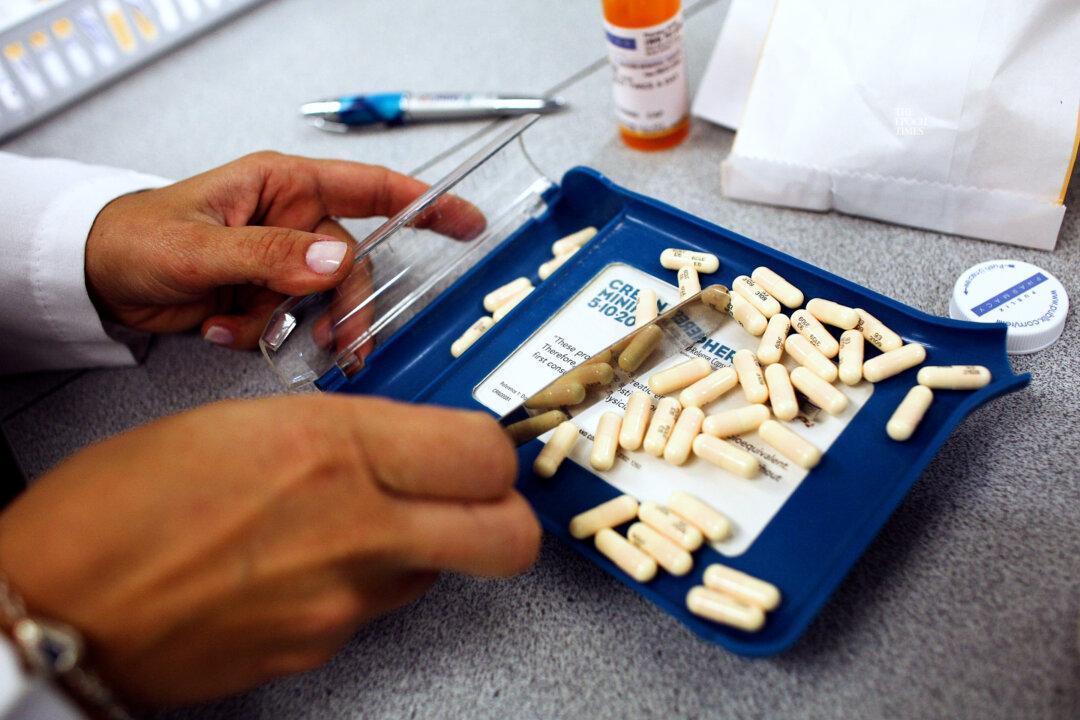
Botox and Trulicity are two well-known medications that will be included in the next round of Medicare price negotiations scheduled for this year.
It will be the third round of price negotiations between Medicare and pharmaceutical manufacturers.
The Inflation Reduction Act of 2022 authorized the Medicare program to negotiate with drug makers for the first time.
Medicare, the world’s largest buyer of prescription drugs, must negotiate prices for at least 60 medications by 2029.
Drugs included in this year’s negotiations are among the most expensive provided through Medicare. They treat diseases ranging from diabetes to chronic migraines, HIV, and cancer.
The 15 drugs are Anoro Ellipta, Biktarvy, Botox, Botox Cosmetic, Cimzia, Cosentyx, Entyvio, Erleada, Kisqali, Lenvima, Orencia, Rexulti, Trulicity, Verzenio, Xeljanz, Xeljanz XR, and Xolair.
More than 1.7 million Medicare beneficiaries used the medications between November 2024 and October 2025.
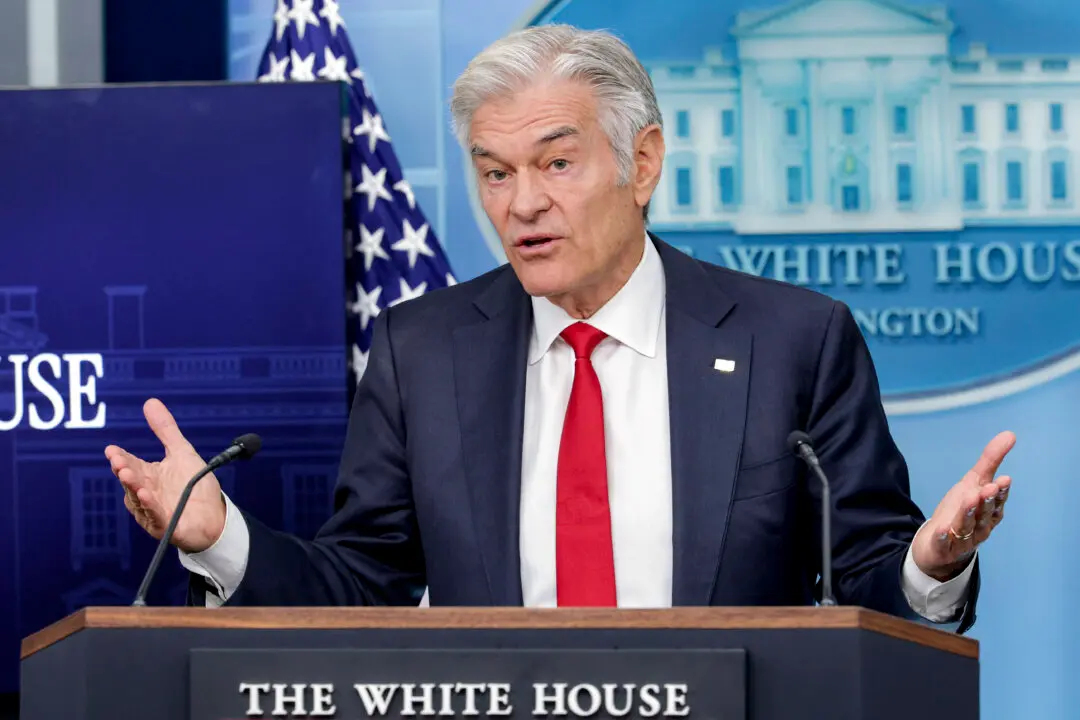
“For too long, seniors and taxpayers have paid the price for skyrocketing prescription drug costs,” Dr. Mehmet Oz, administrator of the Centers for Medicare and Medicaid Services, said in a Jan. 27 statement.
“[This agency] is taking strong action to target the most expensive drugs in Medicare, negotiate fair prices, and make sure the system works for patients—not special interests.”
Medicare Part D alone spent more than $2.7 billion for Biktarvy, a once-daily pill to treat HIV, in 2023. The average cost per beneficiary was nearly $38,000 at $133 per dose.
The program spent more than $1,000 per dose for the injectable muscle relaxer Botox in 2023 and more than $480 per dose for Trulicity, an injectable medication to treat diabetes.
Merith Basey, CEO of advocacy group Patients for Affordable Drugs, said the negotiation program is effective at lowering prices.
“As negotiations continue, millions more people on Medicare stand to benefit,” Basey said in a Jan. 28 statement. “Nobody should have to choose between life-saving drugs and their basic needs.”
Medicare is the world’s largest purchaser of prescription drugs, and paid nearly $163 billion for medications in 2024.
The 15 drugs in the third round of price negotiations account for about 6 percent of Medicare Parts B and D drug spending.
Prices for this third round of negotiated drug prices will take effect in 2028.
Tradjenta, included in the second round of price negotiations, will be renegotiated during the third round. The diabetes medication used by some 274,000 Medicare patients in 2024 was reduced in price by 84 percent.
The law specifies that drug prices may be renegotiated when conditions change that can affect the maximum fair price of the drug.
Prices for the second round of negotiated prices take effect in 2027.
Drugs included in the second round are Ozempic, Trelegy Ellipta, Xtandi, Pomalyst, Ofev, Ibrance, Linzess, Calquence, Austedo, Breo Ellipta, Xifaxan, Vraylar, Tradjenta, Janumet, and Otezla.
Discounts will range from 38 percent for Austedo to 85 percent for Janumet.
Taxpayers would have saved an estimated $18 billion if negotiated prices for the first two rounds of medications had been in effect in 2024, according to the Centers for Medicare and Medicaid Services.
Out-of-pocket costs for beneficiaries would have been reduced by $2.2 billion.
Prices determined by the third round of negotiations will be announced on Nov. 30.