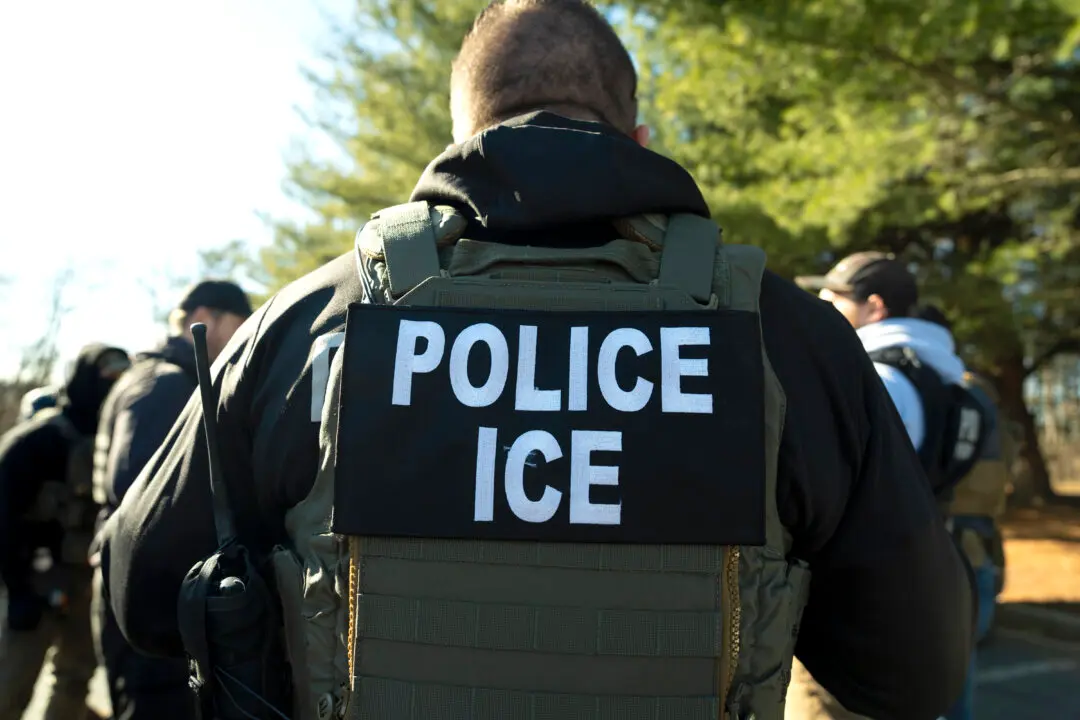
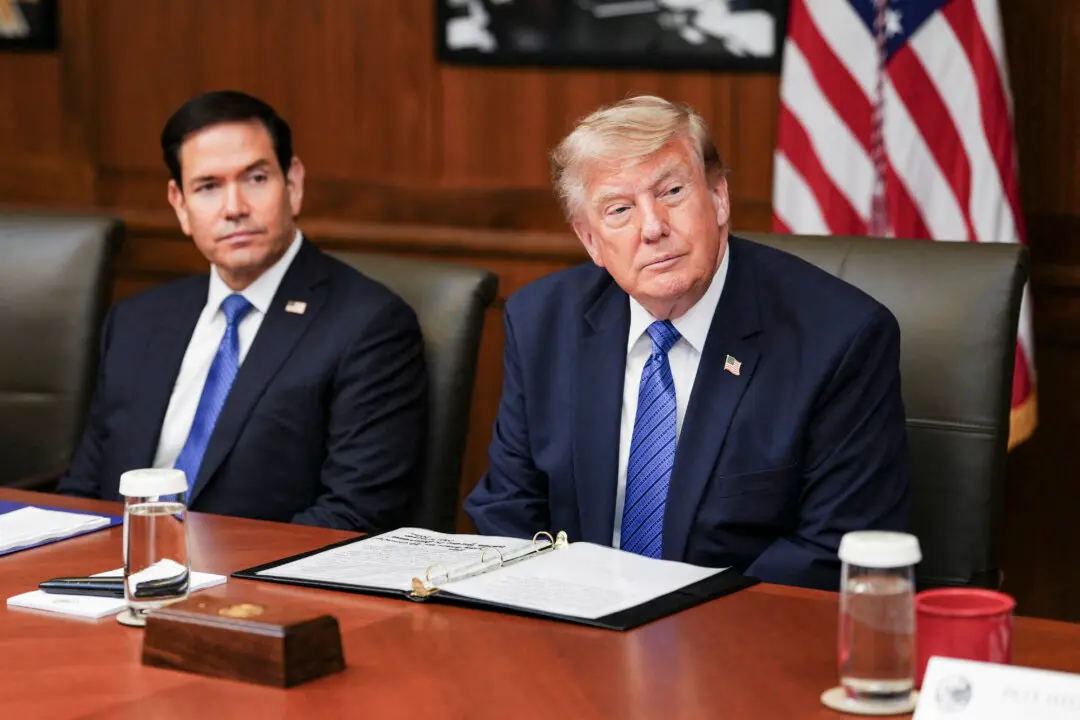
The Trump administration has plans to target more businesses with immigration enforcement operations after it carried one out at a Georgia Hyundai plant and detained hundreds of illegal immigrants, border czar Tom Homan said on Sept. 7.
In an interview with CNN, Homan said that the White House is planning to focus more on companies to see whether any illegal immigrants are working at their worksites.
He said that such practices drive wages down for American workers.
South Korea’s government has since signaled that it would move to repatriate about 300 South Korean nationals who were detained after the operation. U.S. federal agents arrested about 475 workers. The South Korean government has expressed “concern and regret” about the arrests and footage showing armored vehicles and ICE operatives shackling and detaining the workers.
“What ICE is doing every day on these operations and this worksite enforcement operation also helps us give a secure border, because those who are thinking about coming to the United States illegally know that ... this administration is applying consequences,” Homan also said on Sept. 7.
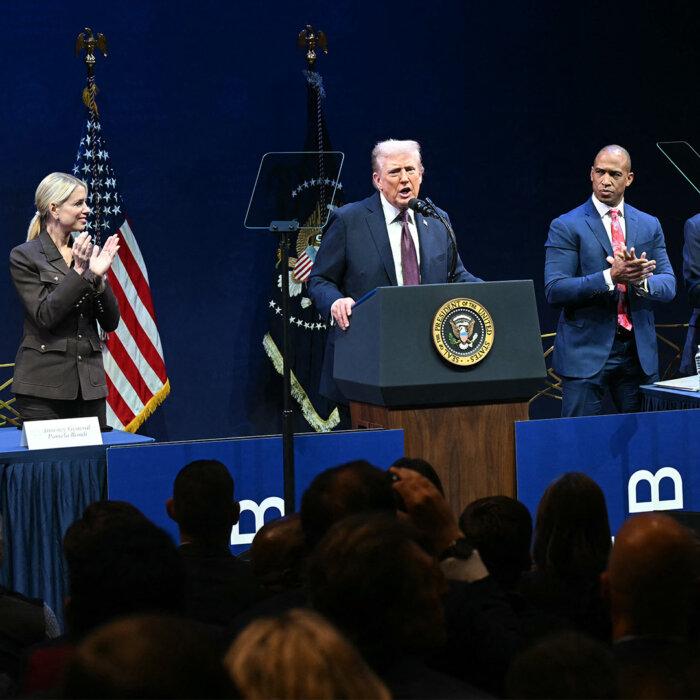

In the interview, Homan did not say what businesses could be targeted in the ICE operations.
For months, Homan has warned U.S. companies that they could be subjected to ICE operations, telling reporters at the White House in June that the agency may perform operations at farms and hotels to root out illegal immigrants there.
Trump made the post shortly after telling reporters he would look at what happened but that the incident had not harmed the United States’ relationship with South Korea.
“Hyundai is committed to full compliance with all laws and regulations in every market where we operate,” the Seoul-based company said. “This includes employment verification requirements and immigration laws. We expect the same commitment from all our partners, suppliers, contractors, and subcontractors.”
The firm added that it will “continue to invest” in the U.S. market to “create thousands of jobs” while operating in “full accordance” with immigration laws, according to the statement.