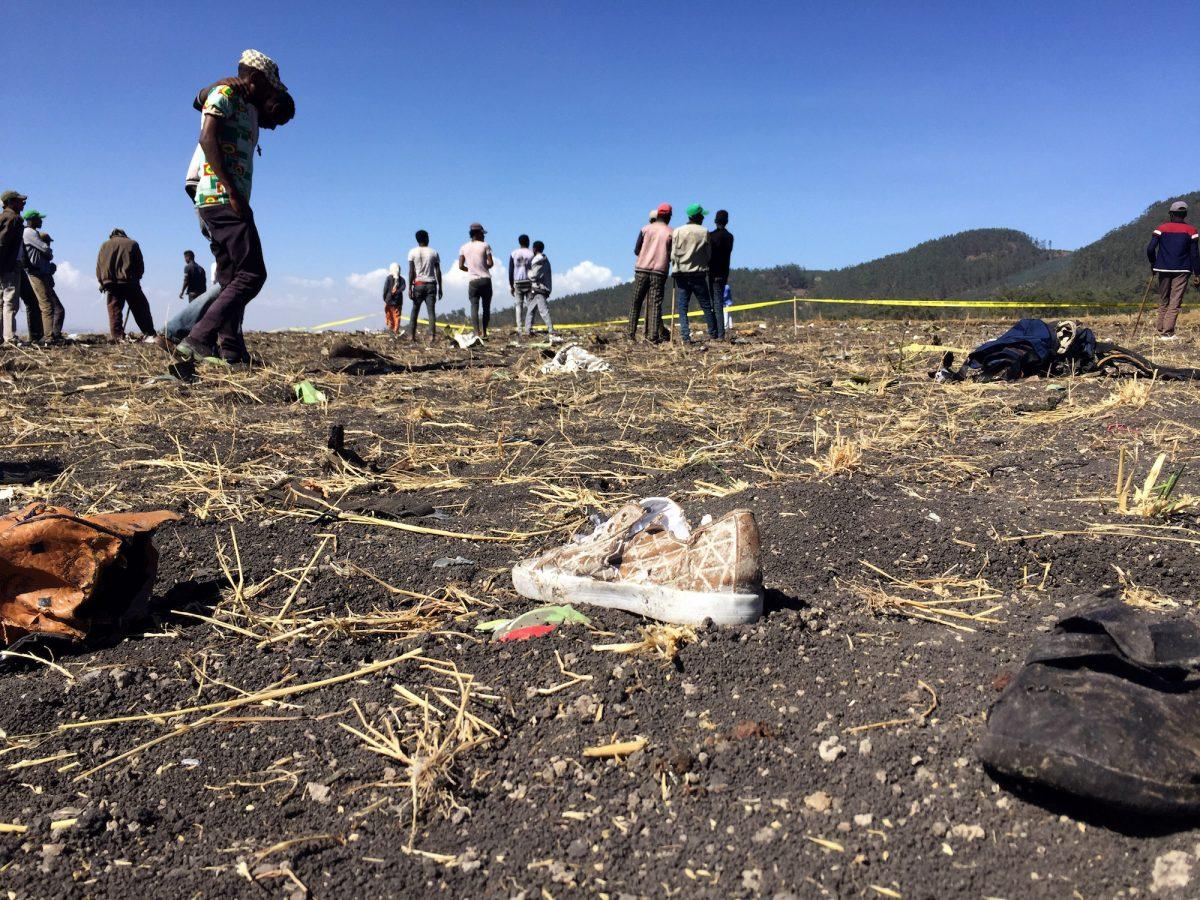
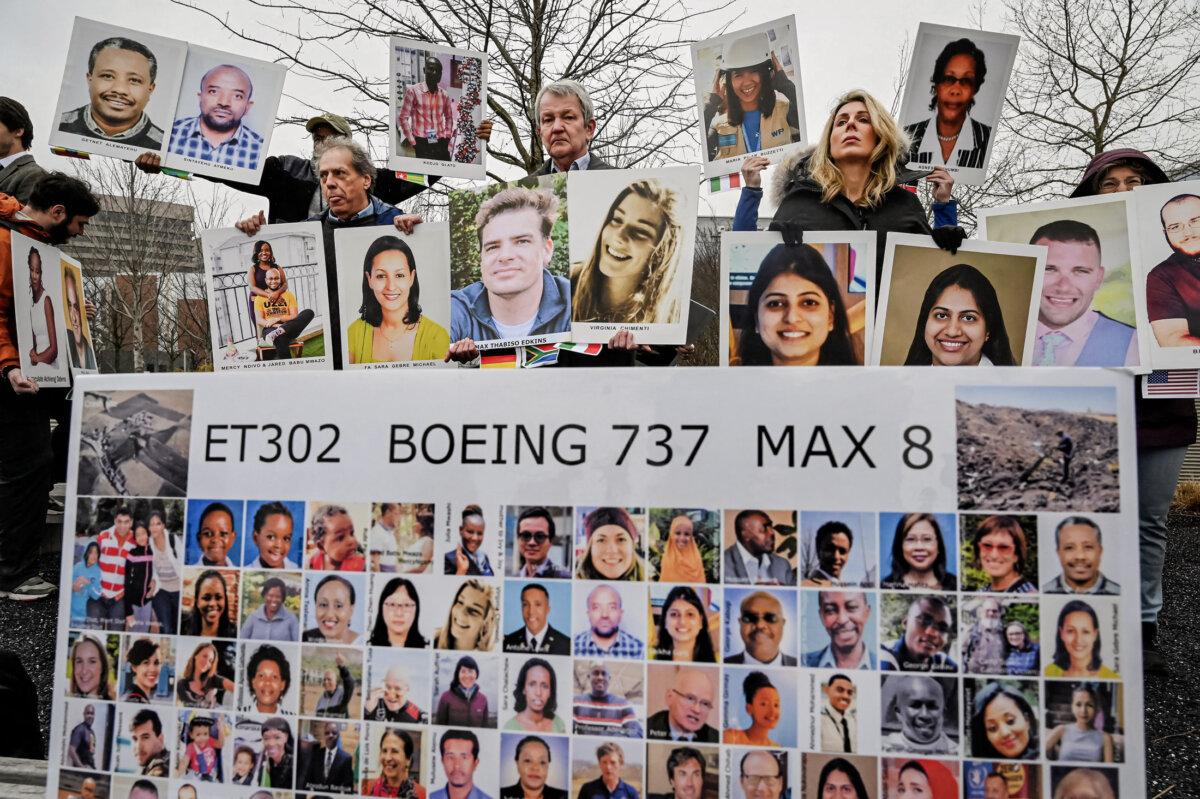
A federal court jury in Chicago has awarded more than $28 million to the relatives of a U.N. environmental specialist who died in the 2019 crash of a Boeing 737 MAX jetliner in Ethiopia.
The verdict, in favor of the family of Shikha Garg, was the first civil trial stemming from the March 2019 disaster that killed all 157 people on board Ethiopian Airlines Flight 302.
With 26 percent interest added to the full verdict amount, Garg’s family will receive $35.8 million.
In a statement, Boeing apologized to all the victims’ families and said it respects their right to pursue their claims in court.
“While we have resolved the vast majority of these claims through settlements, families are also entitled to pursue their claims through damages trials in court and we respect their right to do so,” a Boeing spokesperson said.
Shanin Specter and Elizabeth Crawford, who represented Garg’s family, said in a statement that the jury’s decision “provides public accountability for Boeing’s wrongful conduct.”
Garg was 32 when Ethiopian Airlines Flight 302 from Addis Ababa, Ethiopia, to Nairobi, Kenya, crashed shortly after takeoff, the family’s lawyers said. The lawsuit alleged that the 737 MAX was defective and that Boeing failed to warn passengers and the public about its dangers.
The Ethiopian crash happened five months after Lion Air Flight 610 crashed into the Java Sea in Indonesia.
Boeing has settled more than 90 percent of civil lawsuits associated with the crashes, paying billions, including a deferred prosecution and other payments, the company said.
Boeing settled three lawsuits, filed by the families of other casualties in the Ethiopian Airlines crash, on Nov. 5, according to their lawyers. The settlements in those cases remain undisclosed.
“So what we really are focused on now is shifting that focus from production to safety and quality,” Whitaker said.
According to the report, experts observed a “disconnect” between Boeing’s senior management and other members of the organization when it comes to safety culture.
The report also found a “lack of awareness of safety-related metrics at all levels of the organization” and could not find a “consistent and clear” process for employees to report safety concerns.
“The procedures and training are complex and in a constant state of change, creating employee confusion, especially among different work sites and employee groups,” the report stated.