The Federal Aviation Administration (FAA) has determined that Boeing can resume issuing airworthiness certifications for all its 737 Max and 787 planes after halting the company’s authority due to safety and quality concerns.
“The decision follows months of thorough data and safety review demonstrating consistent production quality and reflects the FAA’s confidence in Boeing’s ability to issue airworthiness certificates under FAA oversight,” the agency said in a July 17 statement.
The decision is effective as of July 20.
An airworthiness certificate, issued at the last stage of an aircraft’s production process, confirms that the plane is safe to operate.
The incidents led to the deaths of 346 passengers and crew members.
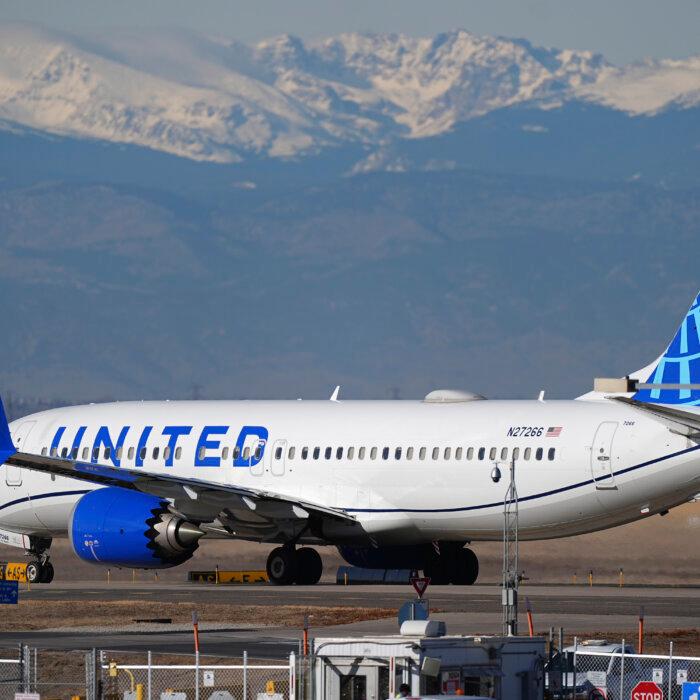
In both of the deadly crashes, a software system developed by Boeing pitched the nose of the plane down repeatedly based on faulty readings from a single sensor, and pilots flying for Lion Air and Ethiopian Airlines were unable to regain control. After the Ethiopian Airlines crash, planes were grounded worldwide for 20 months.
Investigators found that Boeing did not inform key FAA personnel about changes it had made to the software before regulators set pilot training requirements for the Max and certified the airliner for flight.
The FAA banned Boeing from issuing airworthiness certificates for 787 planes in 2022 due to production quality issues.
In September 2025, the FAA allowed Boeing to start issuing these certificates for some of the 787 and 737 Max planes. The agency and Boeing issued certificates on alternating weeks. The FAA said that over the past eight months, it has observed that the airworthiness certificates issued by the agency and Boeing had “comparable production quality findings.”
The FAA decided that Boeing can now handle this responsibility. The agency will continue inspecting, monitoring, and auditing Boeing’s production system. The oversight will involve “closely observing and assessing” the company’s safety culture and Safety Management System, the FAA said.
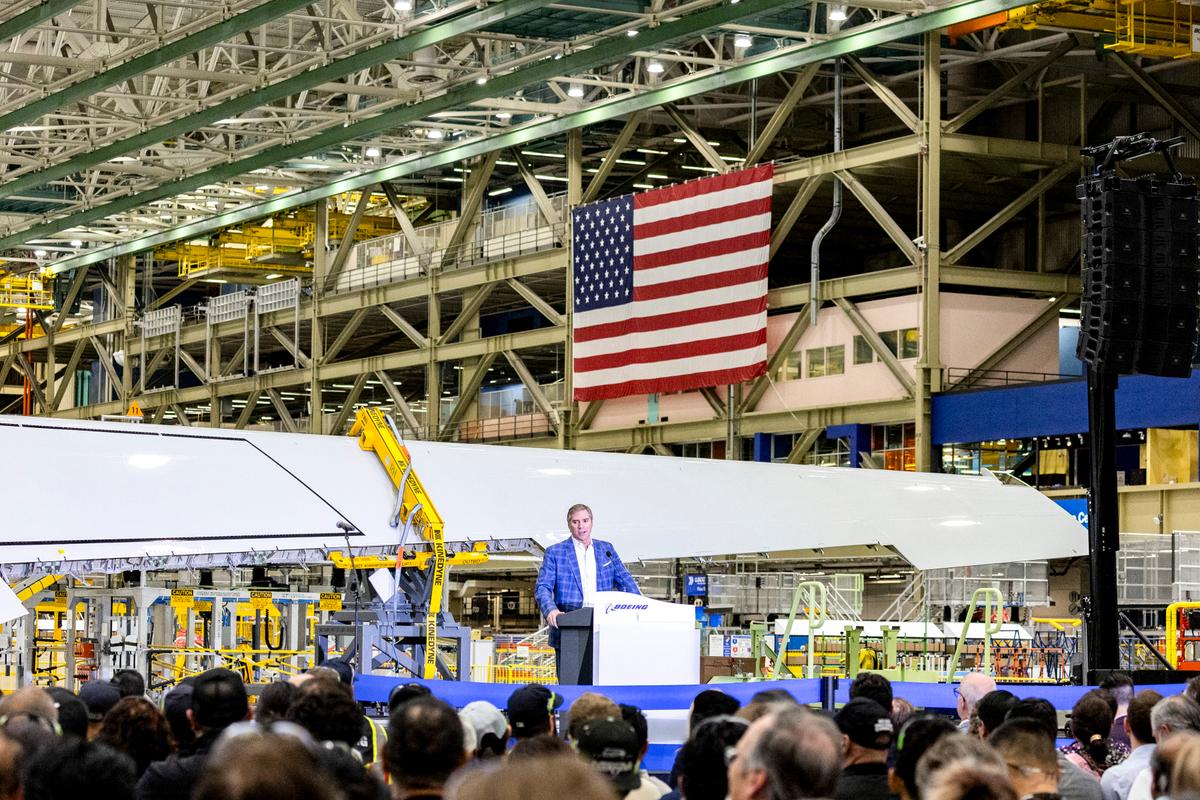
“Safety drives everything we do, and this step forward is only possible because we are confident it can be done safely,” FAA Administrator Bryan Bedford said in the statement.
“Our inspectors will continue rigorous oversight of Boeing’s production while focusing more of their time where it has the greatest impact—identifying and addressing potential risks earlier in the manufacturing process.”
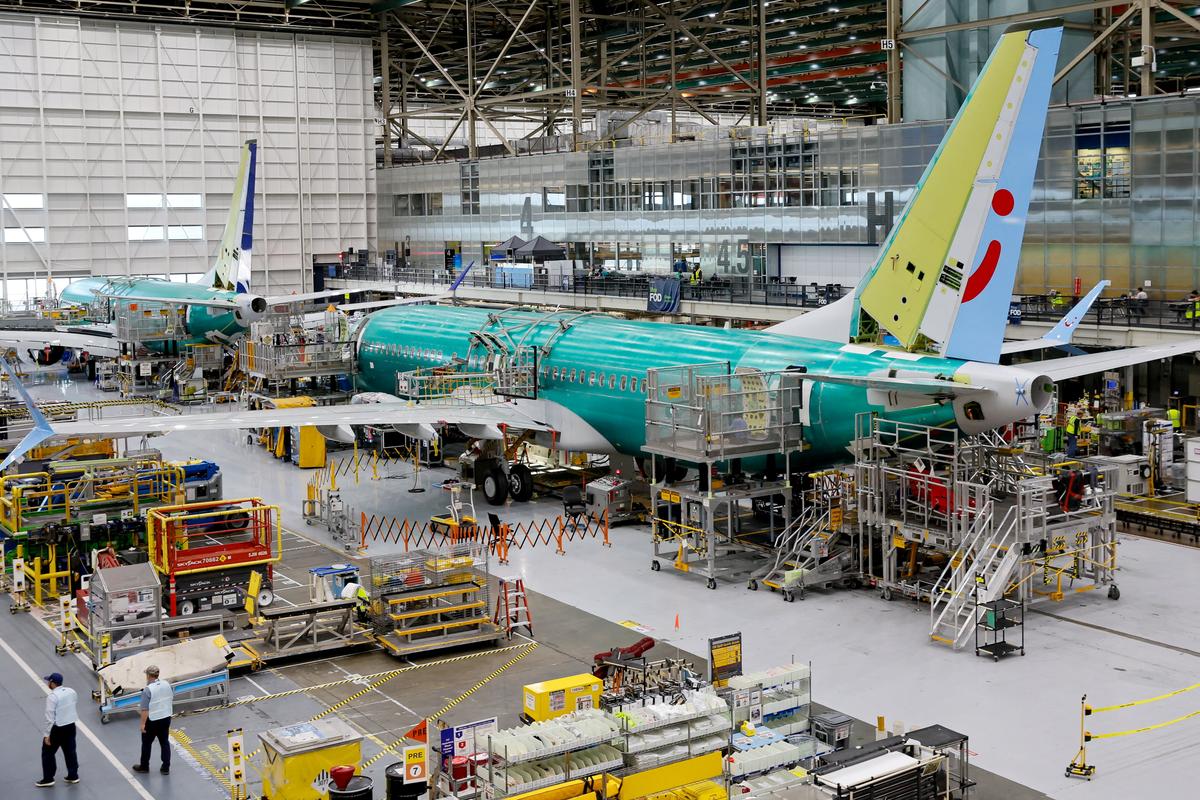
According to Boeing’s website, the company has deployed a safety and quality plan to strengthen safety management and quality assurance.
“The plan focuses on investing in workforce training, simplifying plans and processes, eliminating defects, and elevating our safety and quality culture,” the company said.
Boeing claims to have made product safety and quality training mandatory, expanded quality audits, simplified work instructions, improved tool control, and established employee involvement teams to raise and solve issues.
New Orders
In an April 14 statement, Boeing announced it had delivered 143 commercial planes for the first quarter of 2026, which included 114 model 737 deliveries and fifteen 787 aircraft.
Boeing also recently nabbed new orders for its 737 and 787 models.
On July 20, Boeing announced that SMBC Aviation Capital had placed an order for a hundred 737 MAX airplanes. With the order, SMBC’s portfolio of 737 MAX jets that it owns, manages, and committed to has jumped to 450 planes.
The same day, Boeing said that Philippine Airlines had committed to order up to twenty 787 aircraft. The commitment is expected to support the airline’s fleet modernization and expansion plans.