U.S. officials, including Treasury Secretary Scott Bessent and Federal Reserve Bank of Cleveland President Beth Hammack, are expecting the Federal Reserve to take a wait-and-see approach to interest rates amid the Iran war.
Bessent, who has repeatedly urged the central bank to lower interest rates, said he would “understand” if officials waited to see what happens with war and inflation expectations.
“If you notice, I said that they could, they could observe before they cut rates,” Bessent told Reuters on April 14. “The impetus here is they still, they will need to cut rates.”
“If they want to wait for some clarity, I understand that,” he said.
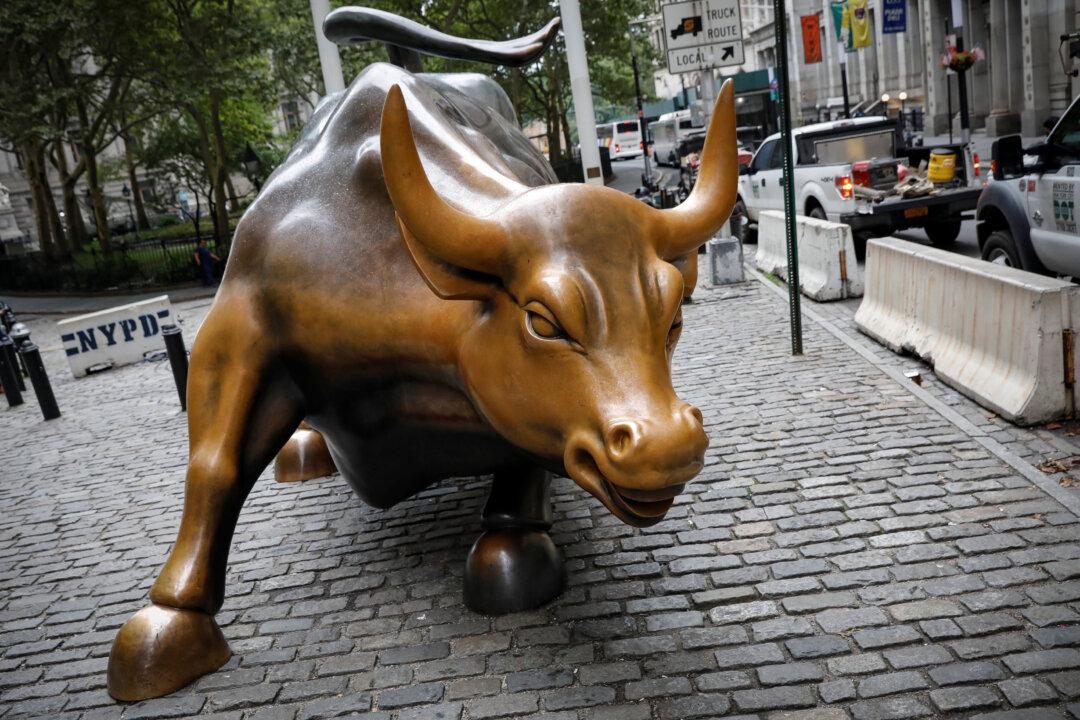
Headline inflation data for March have popped, driven almost entirely by higher energy prices.
Last month, the annual consumer inflation rate climbed to 3.3 percent, from 2.4 percent in February—the highest level since May 2024.
Producer inflation—a measure of prices paid for goods and services by businesses and eventually passed on to consumers—surged by 0.5 percent but came in well below economists’ expectations.
Structural inflation appears stable, as core measures that exclude volatile energy and food prices have been tame so far.
Another trend that has not spooked officials: Long-term inflation expectations remain intact.
For now, the central bank should adopt a patient approach to monetary policy, Hammack said.
Hammack, in an interview with CNBC’s “Squawk Box” on April 15, said she thinks that she and her colleagues need to wait to determine whether the institution’s dual mandate—inflation and employment—is still under threat.
“My baseline is that we’re going to remain on hold for a good while, but I do think that there’s two-sided risks to rates,” Hammack said.
“I think there’s risks that we might need to be more accommodative or more restrictive, depending on how the data comes out,” she said. “But that’s why it’s a good time for us to stay patient and wait and see how the data flows through.”
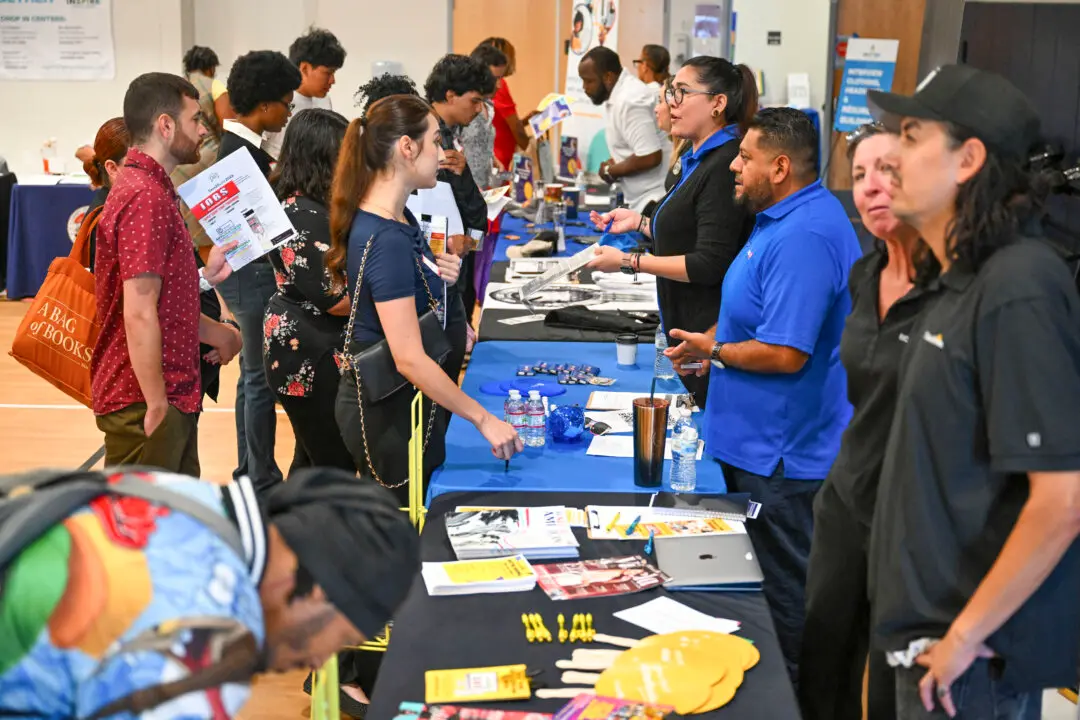
Recent figures suggest that employment conditions could be improving.
Policy Path Uncertain
Traders fully expect the Fed to hold off on any rate cuts this year. Although futures data have swung wildly over the past month, investors have now priced in no rate action this year. The Fed is forecast to lower rates in summer 2027, even with a new person at the helm.Former Fed board member Kevin Warsh’s nomination hearing as the next chair will be held on April 21. His path to confirmation is uncertain, as several lawmakers have expressed reservations about President Donald Trump’s pick.
Sen. Thom Tillis (R-N.C.) reiterated to reporters on April 15 that he will still oppose Warsh’s nomination until the administration ends its criminal investigation of Fed Chairman Jerome Powell.
“I’m not going to vote to move forward on any knobs—not just this one—but any other opening for the remainder of this Congress until this is settled,” he said.
In his recent interview with Fox Business, the president threatened to fire Powell if he does not step down when his term expires on May 15.
The president also said the investigation into Powell regarding the cost of renovations for the Fed’s headquarters should continue.
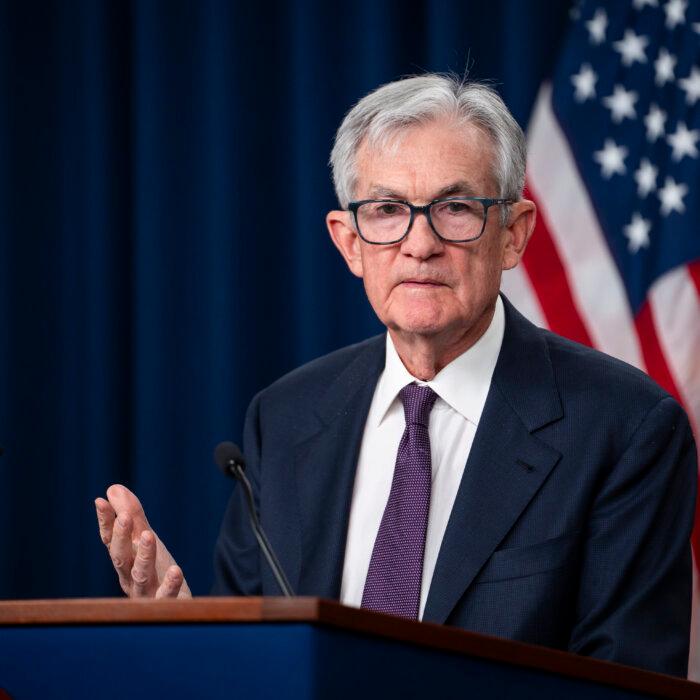
Powell announced last month that he would stay on as “chair pro tem” until his successor is confirmed.
At an April 15 news briefing, Bessent stated that he thinks that Warsh will be confirmed by next month.
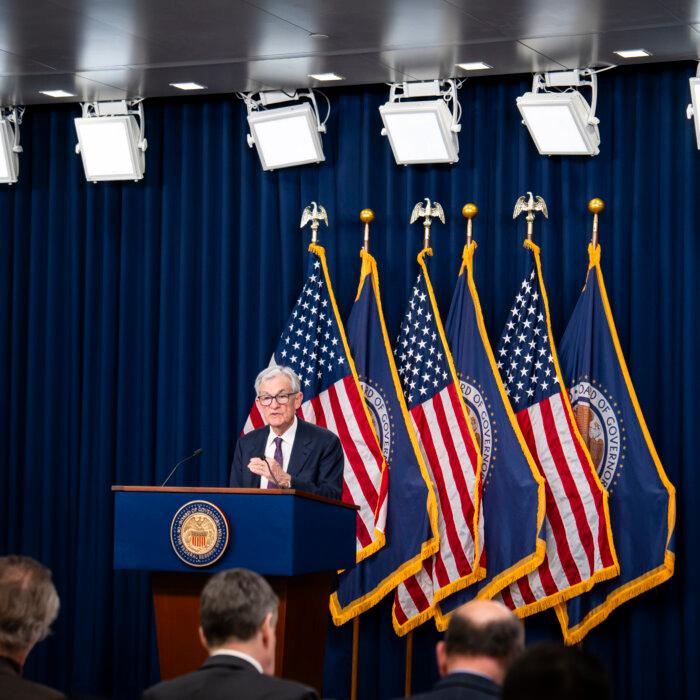
The Fed will hold its next Federal Open Market Committee policy meeting on April 28 and April 29.