Average US Long-Term Mortgage Rate Jumps to 6.38 Percent

The increase represents the highest in six months, according to a survey by Freddie Mac.
Average US Long-Term Mortgage Rate Jumps to 6.38 Percent
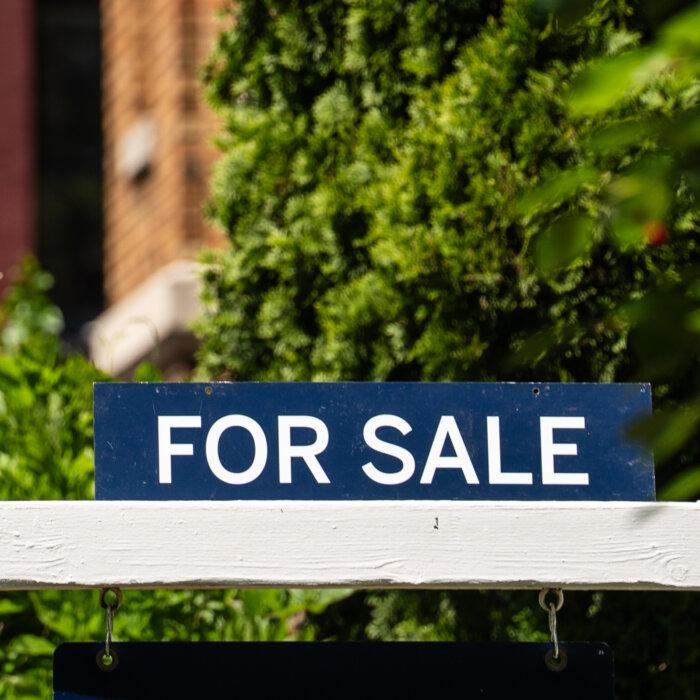
A for-sale sign near a home in Austin, Texas, on April 24, 2025. Brandon Bell/Getty Images
|Updated:
0:00

The average rate on the 30-year fixed mortgage climbed to 6.38 percent, according to a survey by Freddie Mac published on March 26.

The rate jumped from 6.22 percent the previous week and now stands at its highest level in more than six months. The 15-year fixed-rate mortgage rose to 5.75 percent from 5.54 percent.

Freddie Mac chief economist Sam Khater said: “The housing market continues to show gradual improvements compared to a year ago amid recent rate volatility. Purchase and refinance applications are up year-over-year, and rates remain lower than last year when they averaged 6.65 percent.”

The survey covers conventional, conforming loans with 20 percent down and excellent credit. Freddie Mac did not cite specific reasons for the increase.

Mortgage demand plunged for the second straight week amid higher rates, with both homebuying and refinancing activity slowing. Industry data showed applications falling as borrowers waited for more favorable conditions that have yet to materialize.

Weaker mortgage market activity was driven by rising interest rates and affordability constraints, according to Joel Kan, the Mortgage Bankers Association’s deputy chief economist and vice president.

“The threat of higher for longer oil prices continued to keep Treasury yields elevated, and mortgage rates finished last week higher,” Kan said in a March 25 statement. “Higher mortgage rates, coupled with affordability constraints and economic uncertainty, pushed some potential homebuyers to the sidelines.”

Mortgage rates generally track the U.S. Treasury market, particularly the benchmark 10-year yield.

The housing market is at a standstill. Prospective homebuyers are waiting for more economic uncertainty and lower borrowing costs, while sellers have refrained from budging on prices. Buyers navigating the market maintain strong negotiating power due to a record 46 percent more sellers than buyers.
Since the start of the war in Iran, the 10-year Treasury yield had climbed about 40 basis points to above 4.4 percent.
The 10-year declined to around 4.34 percent. The 20- and 30-year yields have eased since eyeing 5 percent. The two-year, which follows Federal Reserve policy expectations, dipped below 3.9 percent.

Middle East tensions could have a substantial impact on the U.S. housing market this spring, warns Jeff DerGurahian, head economist and CIO at loanDepot.

“If elevated oil prices begin to fuel broader inflation concerns, markets could increasingly price in the possibility of Fed hikes over the next four meetings,“ he said in a note emailed to The Epoch Times. ”While it’s still too early to know the full impact on the spring housing market, any move closer to 6 percent would help affordability, and conditions could improve if tensions begin to ease.”


Andrew Moran and The Associated Press contributed to this report.
Google LogoMark Us Preferred on Google
Kimberly Hayek
Kimberly Hayek
Author
Kimberly Hayek is a reporter for The Epoch Times. She covers California news and has worked as an editor and on scene at the U.S.-Mexico border during the 2018 migrant caravan crisis.