Raphael Bostic, president of the Atlanta Federal Reserve, said on Nov. 12 that he will retire when his term expires early next year.
Bostic was appointed to lead the regional central bank in 2017, and his term runs until Feb. 28, 2026.
Over the years, Bostic has often been aligned with his colleagues on monetary policy.
Like others, he has expressed consternation about front-loading rate cuts at a time when the Federal Reserve’s dual mandate—maximum employment and stability—is under simultaneous threat.
During his tenure, Bostic has faced scrutiny surrounding investment actions.

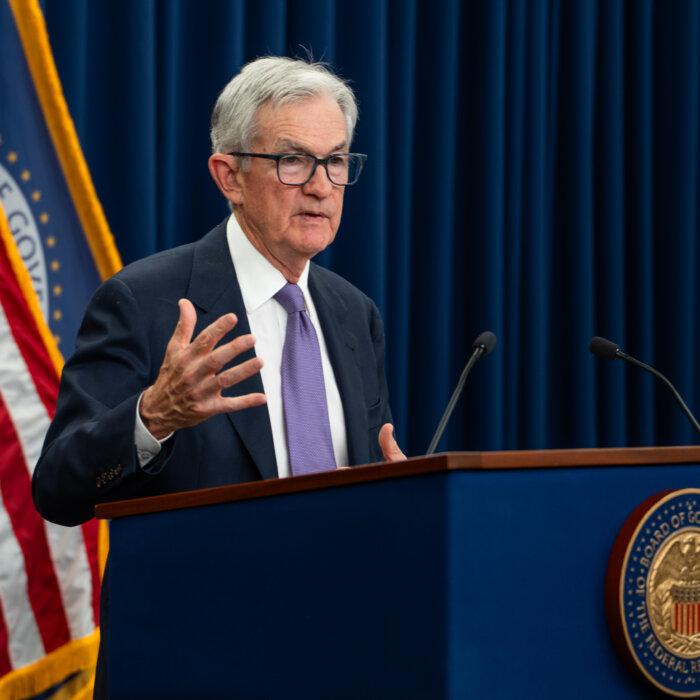
Fed Chair Jerome Powell thanked Bostic for his time at the central bank, stating that his perspective bolstered the interest rate-setting Federal Open Market Committee’s assessment of the economy.
“And his steady voice has exemplified the best of public service—grounded in analysis, informed by experience, and guided by purpose,” Powell said in a statement. “His leadership has strengthened our institution and advanced the Federal Reserve’s mission.”
Change in Personnel–and Policy
Regional Fed presidents are appointed to five-year terms that expire in years ending in 1 or 6—2026 being one of them. Local central bank boards nominate candidates, but final approval rests with the Fed’s Board of Governors.However, at a time when the White House is attempting to reshape the Federal Reserve System, a typical reappointment could face new complications amid evolving political tensions at the top.
Powell’s term as head of the institution will expire in May, although his position on the Board of Governors runs until 2028.
The current administration is still considering Powell’s replacement.
Last month, Treasury Secretary Scott Bessent told reporters that the list has narrowed to five candidates.
“We’re going to do a second round, and we hope to present a good slate to the president right after Thanksgiving. It will ultimately be his choice,” Bessent said aboard Air Force One on Oct. 27.
The final five include National Economic Council Director Kevin Hassett, BlackRock executive Rick Rieder, former Fed Governor Kevin Warsh, and Fed Board members Michelle Bowman and Christopher Waller.
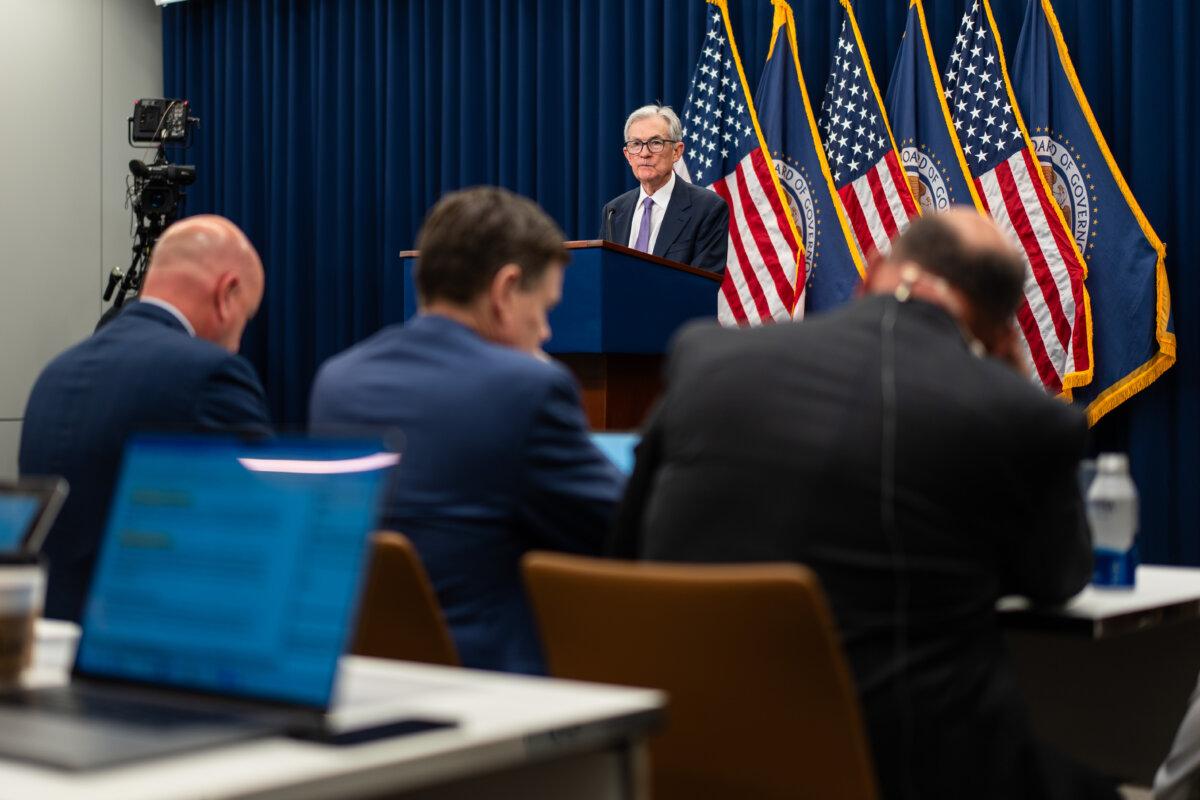
In other staffing developments, Fed Governor Stephen Miran’s seat expires in January 2026.
President Donald Trump appointed Miran in September to fill the remainder of Adriana Kugler’s term. The president will either find somebody else to hold a 14-year term or reappoint the head of the White House’s Council of Economic Advisors.
While financial markets are focused on the number of rate cuts the Fed will implement over the next 12 months, the central bank has also introduced adjustments to monetary policy and bank regulation.
“In an effort to avoid litigation, the Board committed to make significant improvements in the transparency of the stress tests. These proposals take a necessary step toward fulfilling that commitment, and would promote due process,” Bowman, the Fed’s vice chair of supervision, said in a statement.
“Regulated firms should be subject to clearly articulated and transparent rules. Capital requirements should not be set in a way that is shielded from meaningful public scrutiny.”
Waller has also recently hinted that changes could be made to the long-running forecasts in the Summary of Economic Projections and the dot plot.
The Summary of Economic Projections (SEP) is a periodic survey of where officials anticipate the economy and policy to be in the future. The dot plot is a visual representation of where each official’s forecast for the benchmark federal funds rate is in the current year, the next two to three years, and the longer run.
“Now, you could change the dots. I personally believe you should get rid of the calendar dating, get rid of the long-run numbers, and just say, ‘Look, what’s the next optimal policy over the next six, 12, 18 months?’”
The Fed will host its next two-day policy meeting on Dec. 9 and Dec. 10.