ROCK SPRINGS, Wyo.—Jock Maxwell trekked more than 8,000 miles to ride a bull for eight seconds, but after failing to do so twice, his rodeo was over in two skewed eye-blinks.
“I was all right,” he said after being thrown from 1,500 pounds of snorting, snarly beef in 3.4 seconds, noting that he and the bull were in trouble from the start when they “got knocked into” the chute gate as it swung open.
It was the second time Maxwell, 16, of Pinkett, New South Wales, Australia, was dumped by a bull before the requisite eight seconds on July 16, meaning that he was eliminated from the National High School Finals Rodeo in Rock Springs, Wyoming, which took place between July 13 and July 19.
Maxwell is among 1,700 teenaged cowboys and cowgirls from 44 U.S. states, five Canadian provinces, Mexico, Guatemala, Australia, and New Zealand participating in what is commonly called “The World’s Largest Rodeo.”
Sponsored by the National High School Rodeo Association, the finals rodeo caps the season for more than 14,000 prep cowboys and cowgirls across the United States and five other nations.
According to the association, more than $1.5 million in rodeo scholarships were earned in 1,800 sanctioned competitions during the 2025 season, with another $400,000 in scholarships and other prizes on the line at the finals rodeo.
More than 100,000 participants, spectators, and supporters annually attend the high school finals rodeo and spend more than $1 million a day in local restaurants and retail businesses.
The chamber of commerce in Rock Springs, a city of 24,000 in western Wyoming’s Sweetwater County, estimates local businesses could reap up to $12 million with the event at the Sweetwater Events Complex for its eighth time since spending $11 million to upgrade its rodeo arena in 2012.
For motels in the area—three hours east of Salt Lake City and five hours west of Denver—the finals rodeo may not be such a boon. All 1,200 spaces at the events complex’s RV park are occupied with campers and livestock trailers, the “Cowboy Village” that often encircles rodeos with competitors and compatriots.
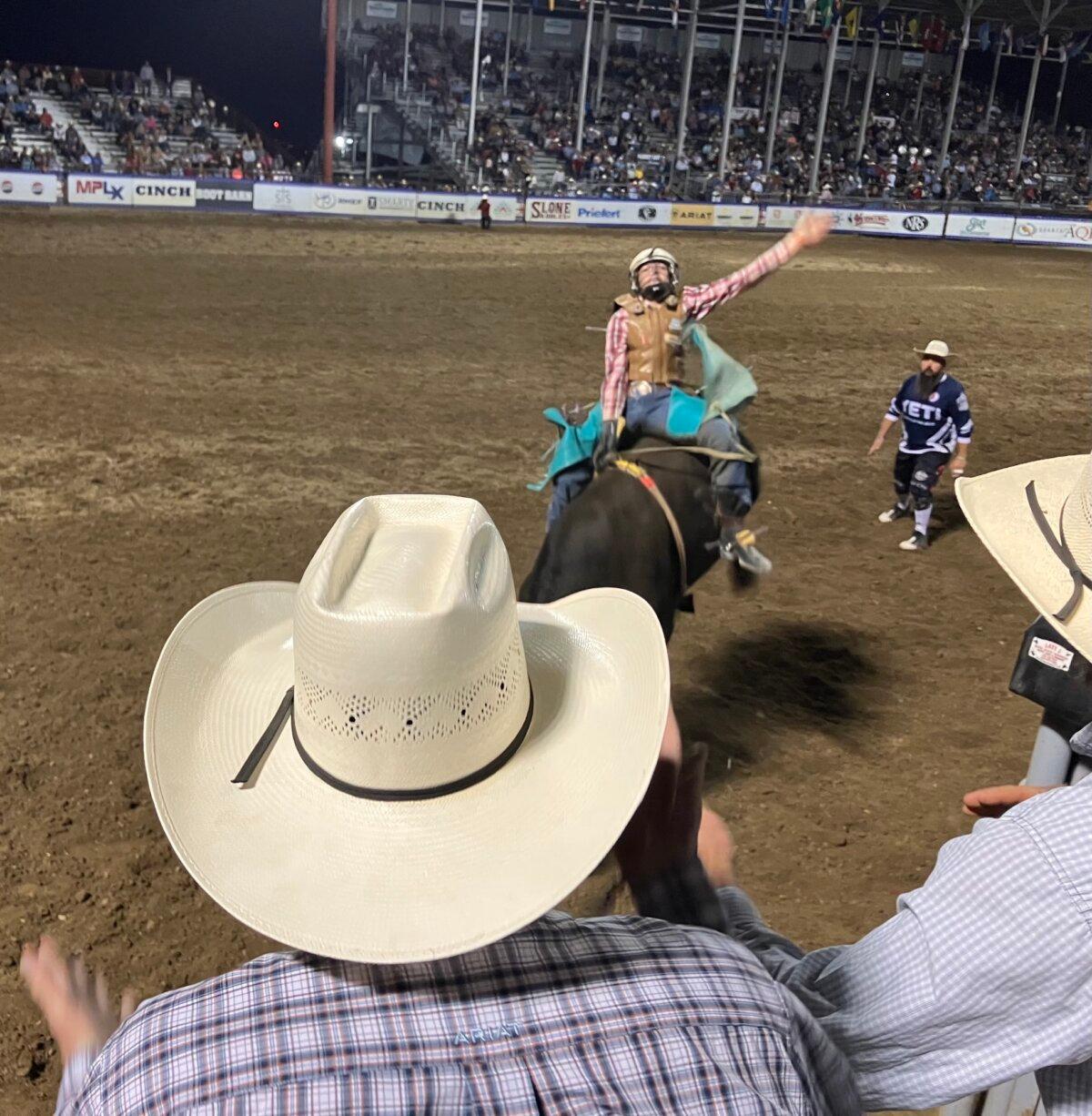
Big Business
Unlike a Professional Rodeo Cowboy Association (PRCA) rodeo, which has eight events, the high school national finals rodeo includes 13 competitions with separate shooting and marksmanship events.Teens can participate in the National High School Rodeo Association if they are younger than 20 years old when the prep season begins in August. They must be state champions or top finalists to qualify for the finals rodeo.
High school rodeo has grown significantly in the United States in recent decades, doubling in membership and events since 2004 when the 76-year-old association added a junior division.
That trend follows the dramatic boom in professional rodeo’s popularity over the past 20 years in the United States and, increasingly, globally, with more than 43 million fans watching rodeos on The Cowboy Channel and elsewhere in 2024, according to the PRCA.
Professional Bull Riders, a relative newcomer with 800 paying members, reported a 23-percent increase in ticket sales between 2022 and 2023, selling out 38 separate events, with more than 1 million fans attending live competitions in 2023. Its TikTok and Instagram accounts have more than 2.5 million followers.
While top PRCA earners bank more than $280,000 per year in purse winnings and can also be paid six-figure salaries by sponsors during the season, which begins in February in the southeast and ends in fall in the Pacific Northwest, the goal is be ranked among the top 15 for a ticket to the 10-day National Finals Rodeo in Las Vegas.
The annual “Super Bowl of Rodeo,” the National Finals Rodeo, broadcast live on ESPN every December, had a record-breaking payout of $12.376 million with champions in each event earning $326,000 each.
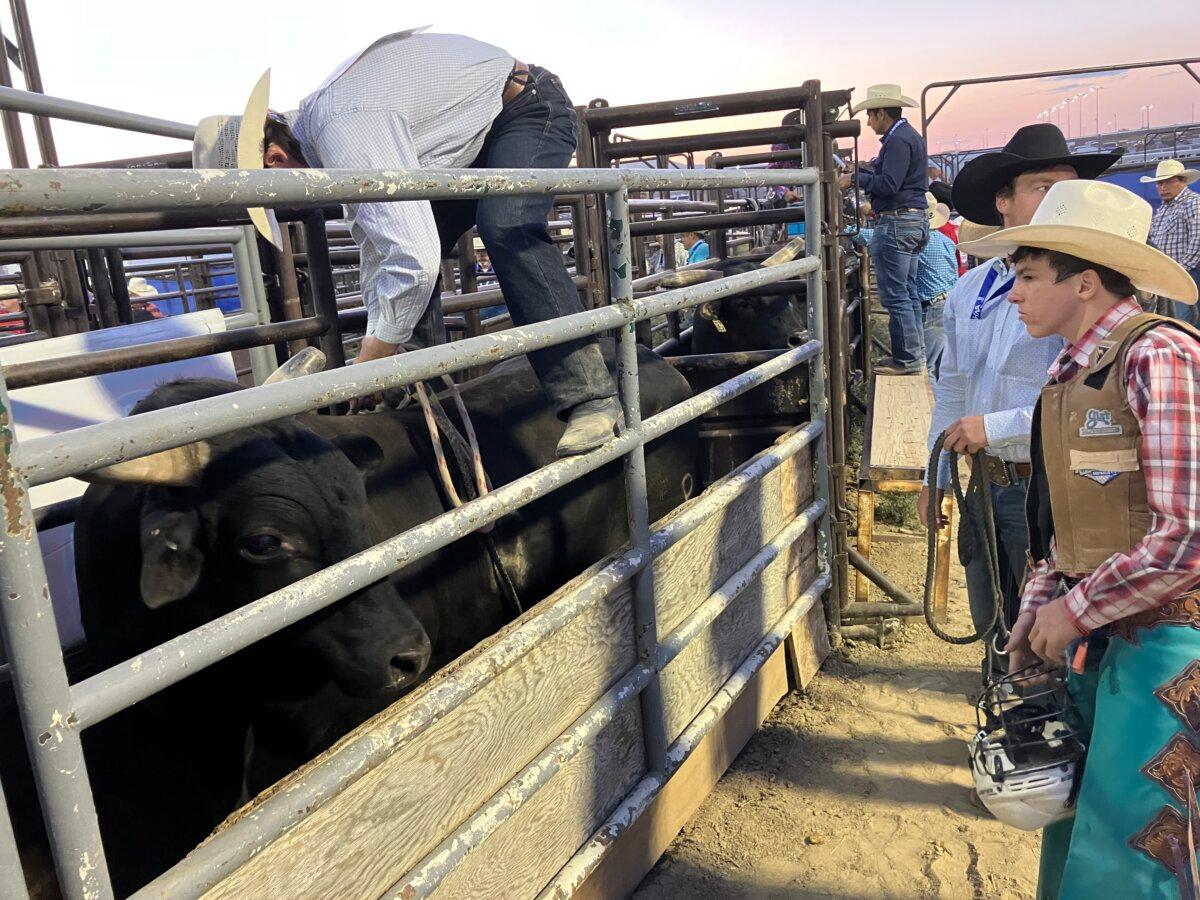
Last Rodeo for Most
From 1,700 competitors, less than 300—the top 20 in each event—will be participating in the July 19 championship rounds—the survivors of a grueling series of “throws,” essentially two full rodeos per day for each of the first four days.Maxwell’s rodeo began and ended in “Day Two throws,” getting tossed in four seconds in the morning and 3.4 seconds in the evening, failing to notch a qualifying 8-second run, making him a spectator for the rest of the show.
Raised on a family farm “with horses and cattle” in Pinkett, population 64, about 275 miles northwest of Sydney, Maxwell said he would focus on supporting the “10 mates” he’s traveling with, among the “30 or so” Australian teens participating in the rodeo.
Rodeo is not the same in Australia, he said, especially for high school-age competitors, where informal events are staged by local groups and agricultural organizations rarely under the lights in modern arenas before thousands of spectators.
For one thing, Maxwell said, the bulls are “a lot tougher” than those he’s used to as Australia’s third-ranked prep bull rider. This daunting reality is something he’ll speak about with friend Scott Wells, a PRCA bull-rider from New South Wales who is among Australia’s most popular professional cowboys.
Wells told him that “you can’t do it every time” when trying to stay on a bull that doesn’t want you on its back, but he’s finding his introduction to Wyoming bulls “very tough.”
But it’s just a first step, Maxwell said, a scouting mission, because he’ll be back a few times in the coming two years—he’s beginning his junior year in high school—and he has a plan.
“My goal?” He laughs. “My goal is to be a PRCA cowboy in the future.”
The first step is to get a scholarship to a college with a rodeo team.
Most are linked to various agriculture, sciences, and veterinary degrees, with the farming and ranching industries the top sponsors and financiers of the rodeos and scholarships.
There are a lot of futures on the line, Missouri saddle-bronc rider Aiden Coan said as his team strapped him onto his bronc in the chute.
“You just got to breathe,” he said. “Stay calm as you saddle up. You do it all the time in practice. It’s kind of repetitive, like brushing your teeth. ... A lot of guys aren’t doing that.”
Coan, Missouri’s second-ranked prep saddle bronc rider, survived his second 8-second “throw.” When the night ended, he was headed for a “third throw.”
Good summer performances before talent scouts offering sponsorships and scholarships are high-tension opportunities for those gunning to compete in college or the few vying to go pro immediately.
For many, the national finals will be a lifelong highlight—and their last competitive rodeo.
It won’t be Roany Profitt’s last rodeo, but after failing to advance in the bareback competition, he’s putting aside dreams of turning pro and staying in school.
“Got worked off,” he said after being thrown from a saddleless horse before the requisite eight seconds a second time on July 18. “It makes me sad—especially ending that way.”
Profitt, 19, of Kemmerer, Wyoming, said that as a student at Gillette College in Gillette, Wyoming, summer rodeos give him a leg up on his fall coursework.
“I’m going to college to ride bucking horses,” he said.