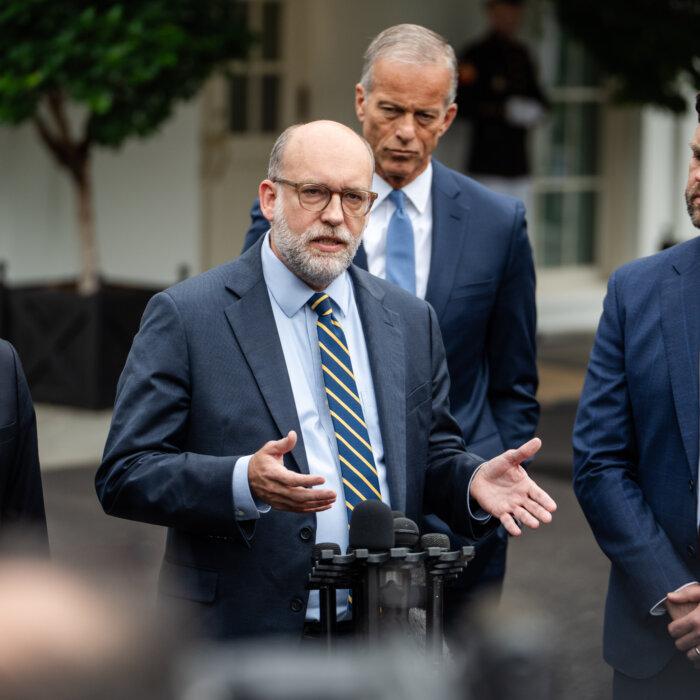
Russ Vought, director of the White House’s Office of Management and Budget, has added to the growing pile of federal projects paused during the government shutdown.
Vought added that the corps would soon provide additional information on the pause.
In an email to The Epoch Times, the Office of the Assistant Secretary of the Army for Civil Works wrote that “because of the lapse in appropriations that provide for oversight of Army Corps projects, we believe that our office and the Corps may be unable to provide adequate oversight of all the projects currently in the portfolio, which includes projects essential to life and safety.”
“To enable continued oversight of the most critical projects throughout the nation, we will pause and review other projects to see if we can deliver them more efficiently,” the office stated.
The director’s announcement is the latest in a round of similar moves since the shutdown began on Oct. 1.
That money includes more than $2 billion for the extension of Chicago’s Red Line and other improvements to its rapid transit system.
Illinois Gov. JB Pritzker condemned the move.
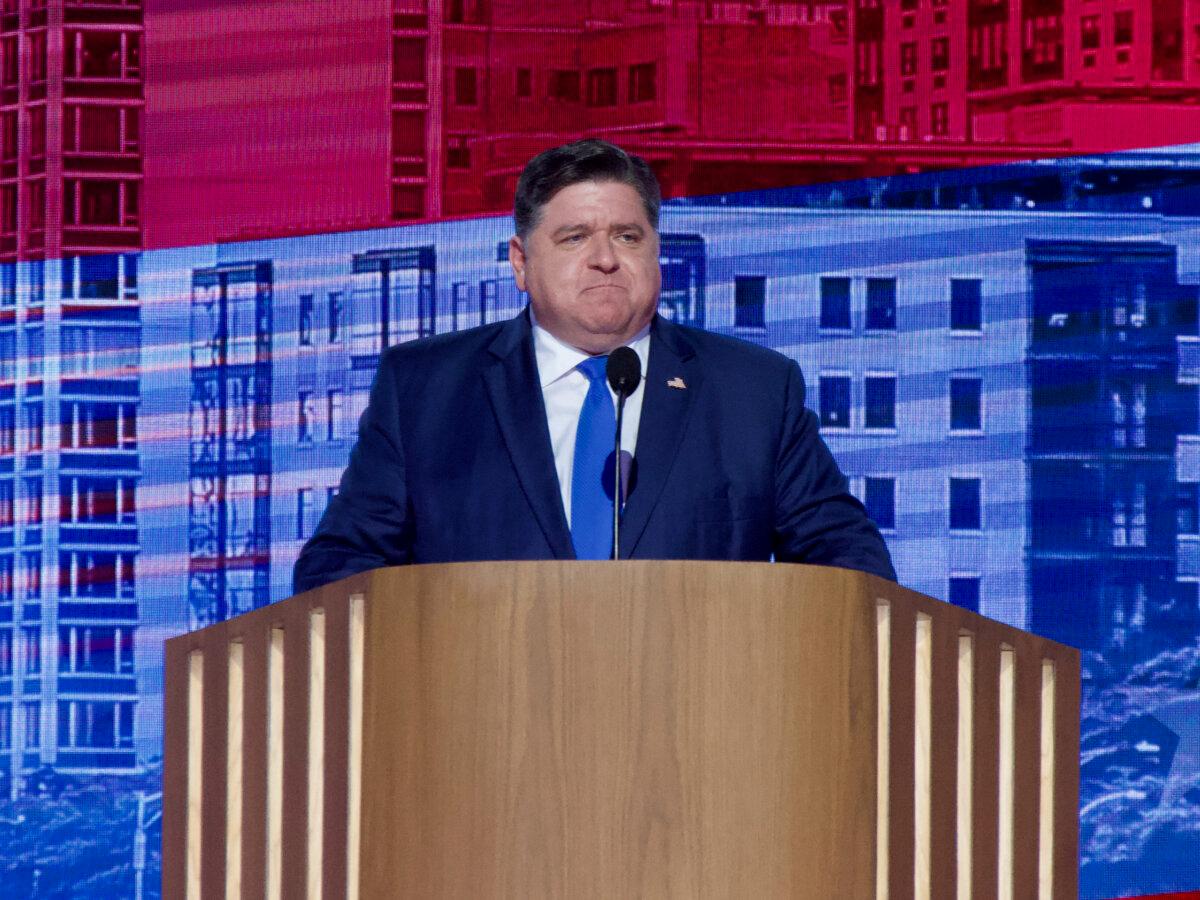
“Illinois is entitled to this funding, and I will continue to stand up to these reckless attacks on Illinois working families and communities,” he said in a statement.
Unlike Vought’s other announcements, his latest on the corps funding explicitly cited the shutdown as the motivation.
He wrote that it “has drained the Army Corps of Engineers’ ability to manage billions of dollars in projects.”
The Trump administration has also permanently laid off thousands of federal workers.
Standoff
Republicans blame Democrats for the impasse, with many saying it can end once a few more of their colleagues across the aisle vote for a simple continuing resolution to keep funding the government.The Republican-backed bill has already gained the support of Democratic Sens. John Fetterman (Pa.) and Catherine Cortez Masto (N.M.) and independent Sen. Angus King (Maine.), who caucuses with the Democrats. Republicans need five more votes to overcome the threat of a filibuster.
Democrats, in turn, blame the GOP for what has happened. They want to negotiate with Republicans on recent and possible future cuts to health care—most notably, the Affordable Care Act (Obamacare) tax credits that are due to expire at the end of this year.
Many Democrats highlight Nov. 1, the start of open enrollment in health care plans, as a critical date for Americans who might anticipate higher costs in the absence of a deal. Many Republicans have stressed what they see as the need to reopen the government before expiring health care subsidies are sorted out.
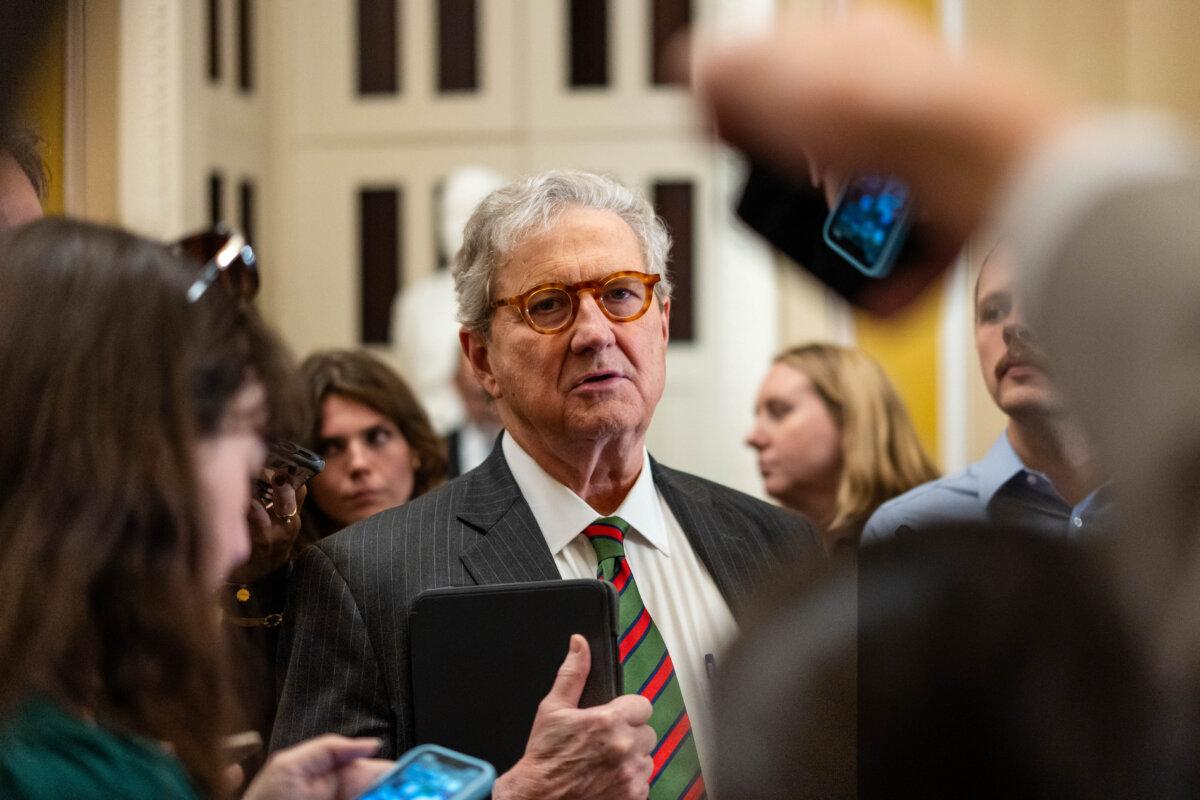
The next Senate vote that could end the lapse in funding will be on Monday, Oct. 20—almost three weeks into what Sen. John Kennedy (R-La.) recently said he thinks “will be the longest shutdown in the history of ever.”
The latest apparent application of pressure from the White House comes after weeks of resistance from Democrats and limited dialogue between senators from the opposing parties.
Almost all Democrats on the Senate Appropriations Committee had backed its appropriations bill earlier in the year.
On Oct. 16, however, Fetterman and Sen. Jeanne Shaheen (D-N.H.)—widely seen as a possible swing vote to end the shutdown—were the only Democrats to support the measure. That meant it could not overcome the 60-vote filibuster threshold.
Ahead of that vote, Sen. Elizabeth Warren (D-Mass.) cited the funding lapse to explain why she intended to vote nay.
“Last I heard, shut down means shut down,” she told reporters.