This copy is for your personal, non-commercial use only. Distribution and use of this material are governed by our Subscriber Agreement and by copyright law. For non-personal use or to order multiple copies, please contact The Epoch Times Reprints.

The Epoch Times
The Epoch Times
AD
The Epoch Times
Policies & Impacts

Arkansas, Indiana Request Soda, Candy Be Removed From Food Stamps

Both governors say the changes will fight chronic disease and refocus SNAP on nutrition rather than subsidizing unhealthy, processed food.
Google LogoMark Us Preferred on Google
Arkansas, Indiana Request Soda, Candy Be Removed From Food Stamps
A sign alerting customers about SNAP food stamp benefits accessed via EBT (Electronic Benefit Transfer) cards at a Brooklyn grocery store in New York City on Dec. 5, 2019. Scott Heins/Getty Images
Chase Smith
Chase Smith
4/15/2025|Updated: 4/15/2025
0:00

Arkansas and Indiana each submitted waivers on April 15 seeking federal approval to remove soft drinks and candy from the Supplemental Nutrition Assistance Program (SNAP), commonly known as food stamps.

Arkansas Gov. Sarah Huckabee Sanders and Indiana Gov. Mike Braun—both Republicans—made the announcements separately, but both framed the efforts as the first steps in broader reforms to reduce chronic disease and improve the use of taxpayer funds in federal food assistance programs.

West Virginia and Utah have begun the process of pursuing similar changes to their SNAP programs, and other states have brought up legislation and discussed similar measures.
“More SNAP money is spent on sugar drinks and candy than on fruits and vegetables. That changes today,” Braun said as he signed one of nine executive orders under his new “Make Indiana Healthy Again” initiative.

During an event announcing Arkansas’s waiver submission, Sanders said the current rules defy logic.
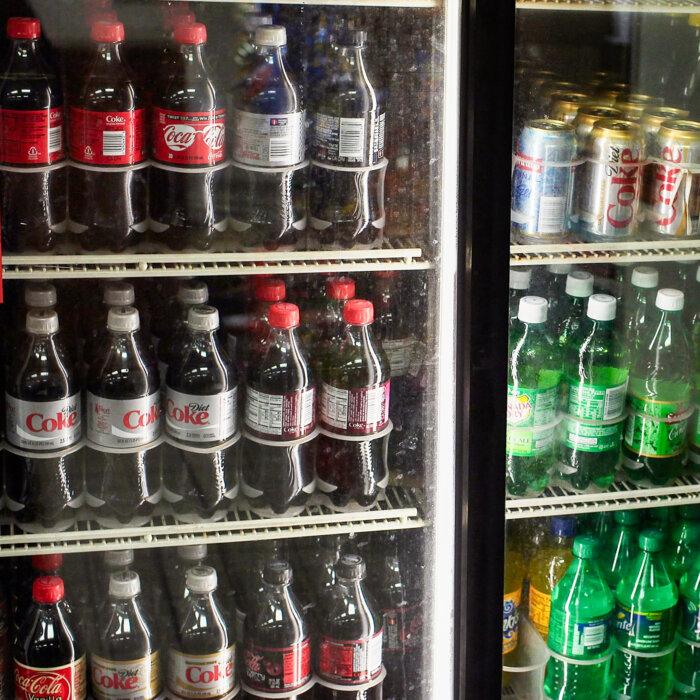
“One-third of our state has diabetes or is pre-diabetic,” she said. “When the numbers are that high, it’s important for us to examine a system that actively encourages and subsidizes unhealthy, highly processed, addictive products. Right now, you can use food stamps to buy a soft drink or a candy bar from a gas station, but you can’t use them to buy an Arkansas-raised hot rotisserie chicken from a grocery store.”
Related Stories
The Epoch Times
States Move to Ban Using Food Stamps for Soda
The Epoch Times
USDA Might Ban Purchase of Sugary Drinks With Food Stamps

Both governors said the waivers were being filed with the Department of Agriculture (USDA) and emphasized that the goal is not to restrict individual freedom but to realign government programs with their stated mission to support health and nutrition.

“The government isn’t dictating what you can or can’t buy with your hard-earned money,” Sanders said. “It’s simply saying that taxpayers are no longer going to cover the cost of junk food like candy and soft drinks.”

Braun emphasized the need for a state-level approach.

“This isn’t the usual top-down, one-size-fits-all public health agenda: We’re focused on root causes, giving Hoosiers the transparent information to make decisions affecting their health, making it easier to access to fresh local food from Indiana’s incredible farms, and taking on the problems in government programs that are contributing to making our communities less healthy,” he said.

Sanders’s waiver opens a 30-day public comment period and, if approved, would affect more than 100,000 Arkansas households.

In both states, officials say SNAP has drifted from its original purpose. According to Sanders’s office, 23 percent of SNAP spending—about $27 billion annually—is used on soft drinks, candy, and unhealthy snacks. Arkansas’s Medicaid program spends an estimated $300 million each year treating chronic illnesses tied to poor diet.

“Taxpayers are subsidizing poor health,” Sanders said. “We’re paying for it on the front end and the back end. That’s not a nutrition program. It’s actively harming Arkansans’ health and contributing to our nation’s mountain of debt.”

Indiana’s executive order cited similar data, stating that soda is the No. 1 item purchased with SNAP benefits and that children on SNAP consume 43 percent more sugary drinks than non-recipients with similar incomes.

Health and Human Services Secretary Robert F. Kennedy Jr. and Centers for Medicare and Medicaid Services Administrator Dr. Mehmet Oz appeared with Braun to support Indiana’s announcement. Both called the moves necessary to confront rising rates of diabetes, obesity, and other chronic illnesses.

“I urge every governor across America to follow your lead by signing similar executive orders in their states to improve nutrition standards in SNAP, increase transparency around food dyes and additives, implement physical fitness tests in schools, expand farm-to-school programs, and embrace the full scope of your transformative health agenda,” Kennedy said in prepared remarks.

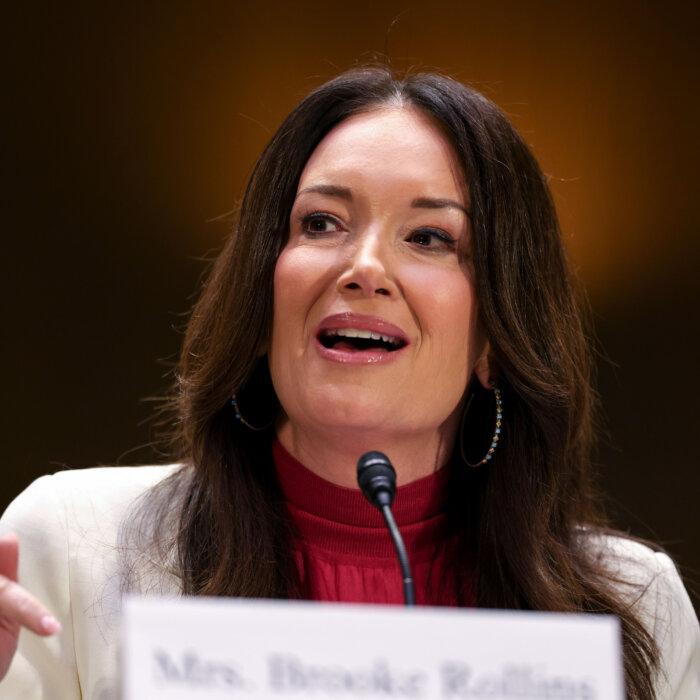
USDA Secretary Brooke Rollins attended Arkansas’s announcement and praised the waiver.

“The SNAP program is designed to help those in need of assistance, not to hurt them,” she said.

Rollins pledged to move the waivers through the approval process “very quickly.”

Industry Pushback

Last month, the American Beverage Association, an industry group representing Coca-Cola, PepsiCo, and other soda makers, issued a statement opposing the waivers and objecting to claims that it paid for a social media campaign against them.

“The suggestion we paid for coordinated influencer posting on SNAP restrictions is false,“ the group stated. ”But the fact remains, SNAP restrictions won’t make anyone healthier or save taxpayer dollars. The current debate has made clear that more people are waking up to the reality of these proposals: shortsighted soundbites that hurt American families and veterans and turn grocery stores into the government’s food police.”

Kristi Putnam, secretary of the Arkansas Department of Human Services, said the policy change is “not punitive.”

“It is preventive. It’s about making a positive difference in the lives of the people we serve,” she said.

Both states are also pursuing broader nutrition and food access reforms. Sanders noted that Arkansas recently enacted universal free school breakfast and plans to continue its Summer EBT program.

Electronic Benefits Transfer (EBT) is an electronic system that allows a SNAP beneficiary to pay for food using SNAP cards similar to ATM cards.

Braun announced new school fitness initiatives, Medicaid integrity efforts, and a food transparency campaign that includes a state-led study of food dyes and additives.

Google LogoMark Us Preferred on Google
Chase Smith
Chase Smith
Author
Chase is an award-winning journalist. He covers national politics for The Epoch Times. For news tips, send Chase an email at [email protected] or connect with him on X.
twitter
Author’s Selected Articles
Platner Ends US Senate Campaign Ahead of Deadline to Replace Him
Jul 08, 2026
Platner Ends US Senate Campaign Ahead of Deadline to Replace Him
Jeffries Says He'll Work With the Socialists Who Beat His Picks, Keep Focus on Trump
Jul 07, 2026
Jeffries Says He'll Work With the Socialists Who Beat His Picks, Keep Focus on Trump
Democratic Leaders Call for Platner to Exit Senate Race After Sexual Assault Allegation
Jul 06, 2026
Democratic Leaders Call for Platner to Exit Senate Race After Sexual Assault Allegation
New Jersey Enacts Voting Anti-Discrimination Law in Response to Supreme Court Ruling
Jul 06, 2026
New Jersey Enacts Voting Anti-Discrimination Law in Response to Supreme Court Ruling
AD
Add to My List
Save
The Epoch Times
Copyright © 2000 - 2026 The Epoch Times Association Inc. All Rights Reserved.