Apple Inc. filed for a preliminary injunction against OpenAI and two former employees on Aug. 3 to stop OpenAI from operating any products created allegedly using its trade secrets as Apple’s lawsuit against the artificial intelligence developer proceeds.
“Apple has invested billions of dollars and decades of effort in hardware, industrial, and manufacturing [research and development] and design, global supply chain innovations, and partner relationships,” Apple stated in the court filing Aug. 3.
“Apple’s trade secrets allow it to deliver leading computing devices globally, and they derive independent economic value from not being generally known or readily ascertainable because they are the fruit of sustained investment that would be difficult for competitors to replicate without the same expenditure of time and resources,” Apple said.
The lawsuit alleges that Chang Liu, Apple’s former senior system electrical engineer, downloaded “dozens of Apple’s confidential hardware-related files.”

Liu left Apple on Jan. 22. Messages and communications that Liu sent to Apple employees after he left sparked an internal investigation, according to the lawsuit.
Apple also claims that Tang Yew Tan, Apple’s former vice president of product design, was methodically using Apple’s confidential information to benefit OpenAI.
“OpenAI knows its misappropriation is wrong and has tried to conceal it,” Apple wrote in its Aug. 3 court filing.
Apple is continuing to investigate at least 15 former employees who work at OpenAI, according to the complaint.
Apple claims that when Liu went to work for OpenAI, he accessed Apple’s cloud storage to download thousands of pages of the company’s most sensitive trade secrets without authorization on at least five separate occasions.
The downloads included fabrication decisions and engineering data for unannounced products, including information about touch, display, and power systems, Apple alleges in the injunction request.
Tan is accused of using an internal project codename for an unannounced product to get more trade secrets and allegedly told OpenAI job candidates to bring Apple’s prototypes and design ideas.
Apple accuses OpenAI of violating the Defend Trade Secrets Act, and Liu and Tan of breaching its Intellectual Property Agreements with Apple.
Apple is also asking the court to award it for irreparable harm caused by the defendants.
San Francisco-based OpenAI, one of the largest and most valuable artificial intelligence companies, denied Apple’s allegations this week, saying the preliminary injunction is “both based on false information and completely unnecessary because we do not have, nor want, any of their trade secrets.”
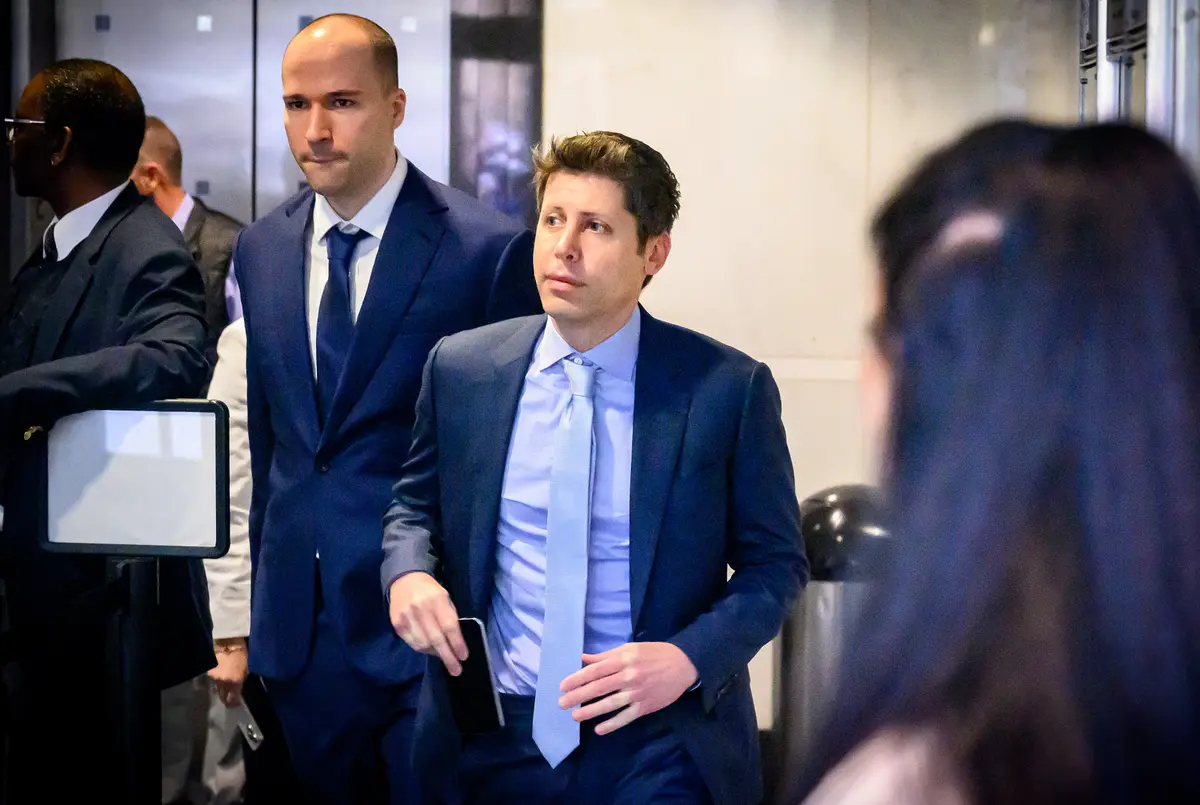
OpenAI claimed that some of Apple’s statements are not factual.
“Apple accuses Chang Liu of accessing Apple confidential information after leaving the company, but only now admits that Apple employees reached out to him and asked for his help to locate this information,” OpenAI stated.
OpenAI also claims that Tang Tan refused to allow misuse of any confidential information.
“We wish Apple had raised these issues with us before they filed their lawsuit and would have been happy to clarify all of this with them,” OpenAI stated.
“We have taken the allegations in the lawsuit seriously and offered to work with Apple to resolve this. Instead, they’re trying to change their narrative, including by making vague accusations about other former employees, and will likely keep repeating this tactic.”