
A federal appeals court on New Year’s Eve blocked Hawaii from enforcing a new tax on cruise ship passengers, one day before it was set to go into effect.
Two judges of the U.S. Court of Appeals for the Ninth Circuit imposed an injunction on the law, reversing a lower court ruling.
Cruise Lines International Association, which challenged the tax, did not respond to a request for comment.
“We remain confident that Act 96 is lawful and will be vindicated when the expedited appeal is heard on the merits,” a spokesperson for Hawaii’s attorney general told The Epoch Times via email.
Hawaii had taxed short-term accommodations such as hotels. With Act 96, scheduled to take effect on Jan. 1, the state increased the tax to 14 percent and extended it to cruise ships.
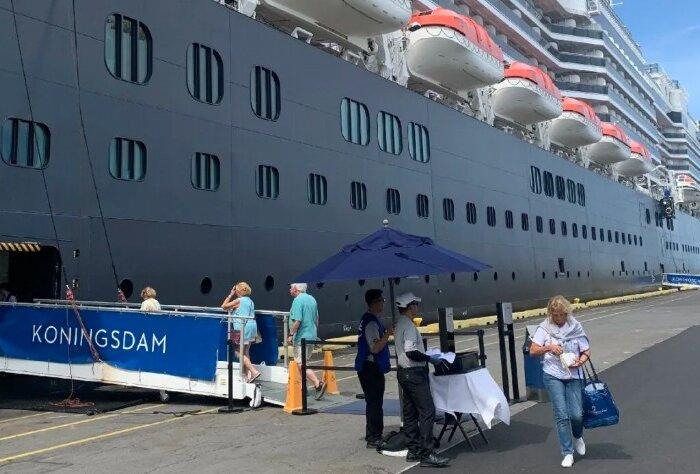

The law states that Hawaii “is experiencing a climate emergency” due to “the effects of climate change, such as rising temperatures,” and that the money garnered from the tax would go toward climate action.
Cruise Lines International Association said the tax violated the U.S. Constitution and a federal law called the Rivers and Harbors Appropriation Act (RHA) in its lawsuit.
“Nevertheless, because of the ‘vital importance’ of taxes to the states, and because Congress has clearly expressed its intent ’to prevent federal-court interference with the assessment and collection of state taxes,' the Court treads carefully and denies the extraordinary relief of a preliminary injunction.”
Cruise Lines International Association and the U.S. government then asked the Ninth Circuit to intervene.
Hurwitz and Bress, in their brief order, said that the standard for evaluating an injunction pending appeal was similar to that employed by district courts deciding whether to enter a preliminary injunction. That standard includes weighing whether plaintiffs have shown a strong likelihood of success, according to a 2008 ruling they cited.