A California hybrid-electric aircraft manufacturer started demonstration flights in Utah on Aug. 6, flying its Electric EEL aircraft from Salt Lake City to Cedar City, the company reported.
The aircraft then left for Long Beach, California, logging a total of 1,165 miles for the day.
Three days before the flight, Ampaire’s EEL aircraft flew from Long Beach to Salt Lake City, covering about 648 miles in about 4 hours, 18 minutes on a single battery charge, the company said.
The company is operating under Utah’s uFly program as part of a Federal Aviation Administration (FAA) pilot program aimed at boosting electric aircraft development.
Ampere’s aircraft is the only hybrid-electric vehicle included in the FAA’s program.
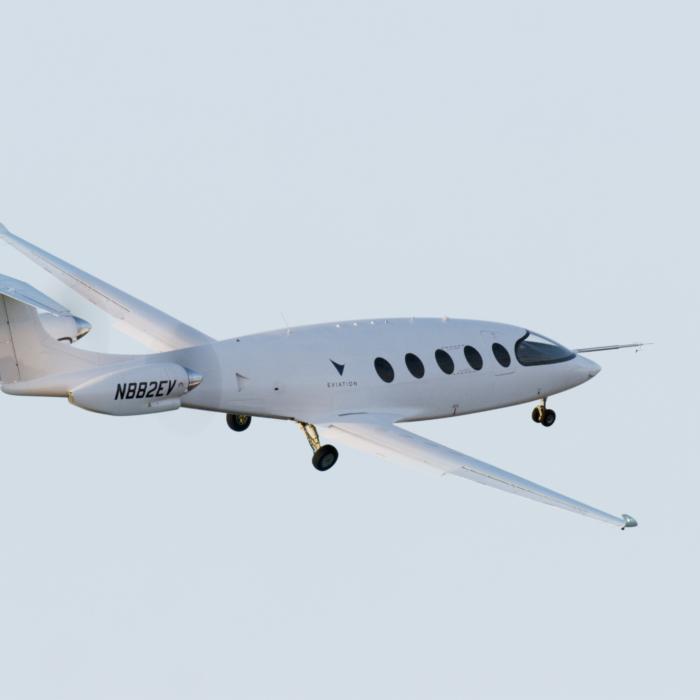
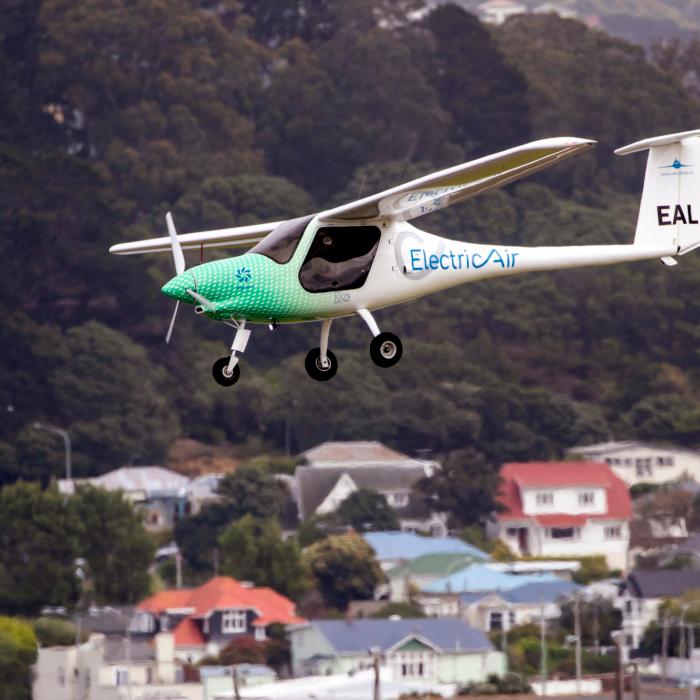
The EEL is the company’s Cessna 337 Spymaster testbed with electric propulsion driving the nose propeller and combustion propulsion driving the aft propeller.
The configuration allows Ampaire to demonstrate how fuel use can be reduced while the range and operational flexibility needed for regional aviation can be achieved, according to the company.
Ampaire and Utah plan to use the EEL for early operational learning and introduce the Eco Caravan—a hybrid-electric upgrade of the Cessna Grand Caravan and the company’s first commercial aircraft—in future phases.
The Eco Caravan has an AMP-H570 hybrid-electric propulsion system designed to self-charge in flight and integrate into existing aviation operations without depending on ground charging, according to the company.
Ampaire believes that for most regional flights, hybrid electric aircraft will outperform fully electric airplanes that use heavy electric batteries.
By combining an efficient combustible engine with an electric motor, hybrid aircraft can reduce fuel consumption, extend range, lower emissions, and use existing airport infrastructure without waiting for major changes.
“uFLY is about moving hybrid-electric aviation from demonstration into real-world operations,” said Kevin Noertker, co-founder and CEO of Ampaire, in a statement. “Our aircraft can fly meaningful regional routes across varied terrain using the airports and operating infrastructure already in place. The propulsion system changes. The regional aviation system does not have to.”
The program allowed public–private partnerships with state, local, tribal, and territorial government entities and private companies to develop new frameworks and regulations.
This year, the FAA selected for the program departments of transportation in Florida, Louisiana, North Carolina, Pennsylvania, Texas, and Utah as well as the Port Authority of New York and New Jersey. The city of Albuquerque, New Mexico, was also selected for the program.
The FAA is looking to advance piloted and unmanned options for air taxis to connect ground transportation and reduce noise impacts by using the alternative aircraft.
The projects also include longer-range and fixed-wing flights, cargo flights, logistics and supply services, and vehicles to increase automation safety.
Utah is leading one of eight projects selected nationwide.
“As we launch uFLY, we’re not simply demonstrating what’s possible—we’re building the foundation for the future of advanced air mobility in Utah,” said Matt Maass, aeronautics director for the Utah Department of Transportation. “Through continued testing, collaboration, and innovation, Utah is creating a model for how advanced air mobility can strengthen urban-rural connectivity, support economic opportunity and improve mobility for Utahns across our state.”