A shortage of saline for intravenous (IV) injections has been resolved, federal regulators said on Aug. 8.
The shortage of products with sodium chloride, a form of IV saline, was resolved after a joint effort involving the government and businesses, according to the Food and Drug Administration (FDA).
Companies worked to expand manufacturing while FDA officials worked to increase the amount of IV saline available to hospitals. Officials said they facilitated imports of the products and expedited reviews for U.S. manufacturers.
The shortage worsened in 2024, when a Baxter International facility in North Carolina was forced to close because of flooding from Hurricane Helene.
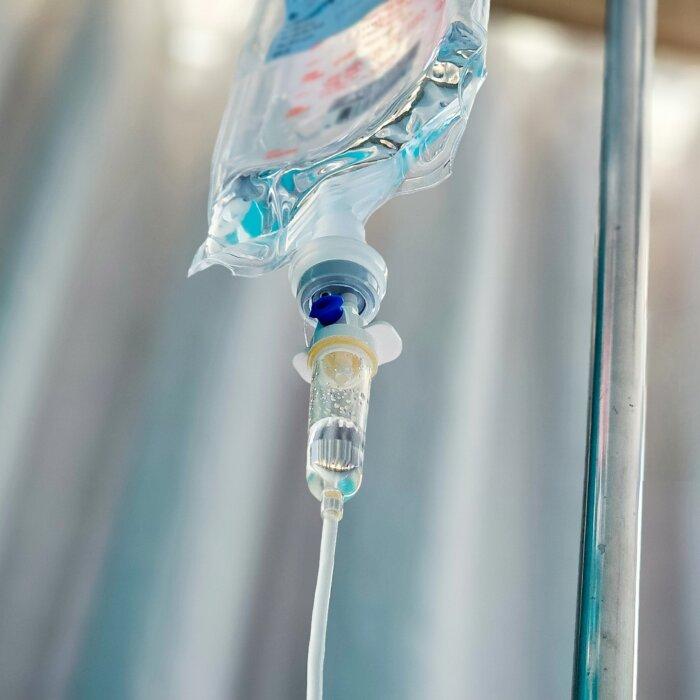

Production at the facility resumed in late 2024 but was not fully restored until May.
According to the American Hospital Association, the plant, before its closure, manufactured about 60 percent, or 1.5 million bags, of IV solution used daily in the United States.
The closure resulted in “substantial shortages,” according to the hospital association, and led some hospitals to postpone elective surgeries.
“In response to Hurricane Helene and the related supply disruption, certain customers have enacted fluid conservation practices which have resulted in, and are currently expected to continue to result in, reduced demand in our intravenous (IV) solutions business.”
The volume of sales was also affected by the destocking of inventory by customers and distributors, the firm said.
“These efforts, along with stabilizing market conditions, position us to better serve your clinical needs,” the company said.
Some other IV fluids are still in short supply. The FDA is working with manufacturers to resolve those shortages, Makary said.