“That’s a more significant increase than we’re used to seeing,” Sean Tucker at Kelley Blue Book said.
Over the past three years, the price of new cars has climbed nearly 1 percent on average every month, the auto industry research company reported.
The higher average price—hitting $51,440 for a new car in February—was attributed to a combination of high tariffs, manufacturers canceling inexpensive models, and U.S. buyers choosing more luxurious cars, Kelley Blue Book concluded.
Midsize SUVs were still America’s best-selling vehicles last month, selling at an average price of $50,148.
Coming in second were compact SUVs, which sold for an average of $36,807, according to the report.

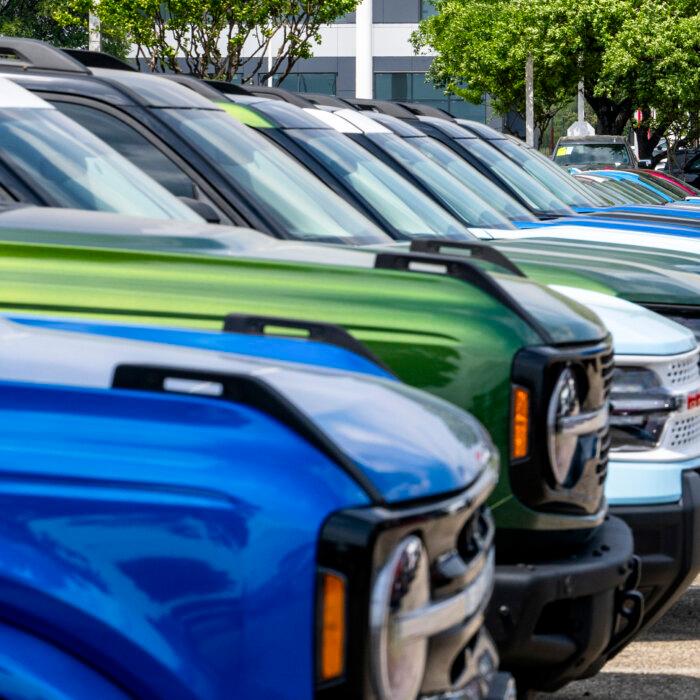
Full-size trucks sold for $66,157, also impacting the final average price.
EV Prices Dropping
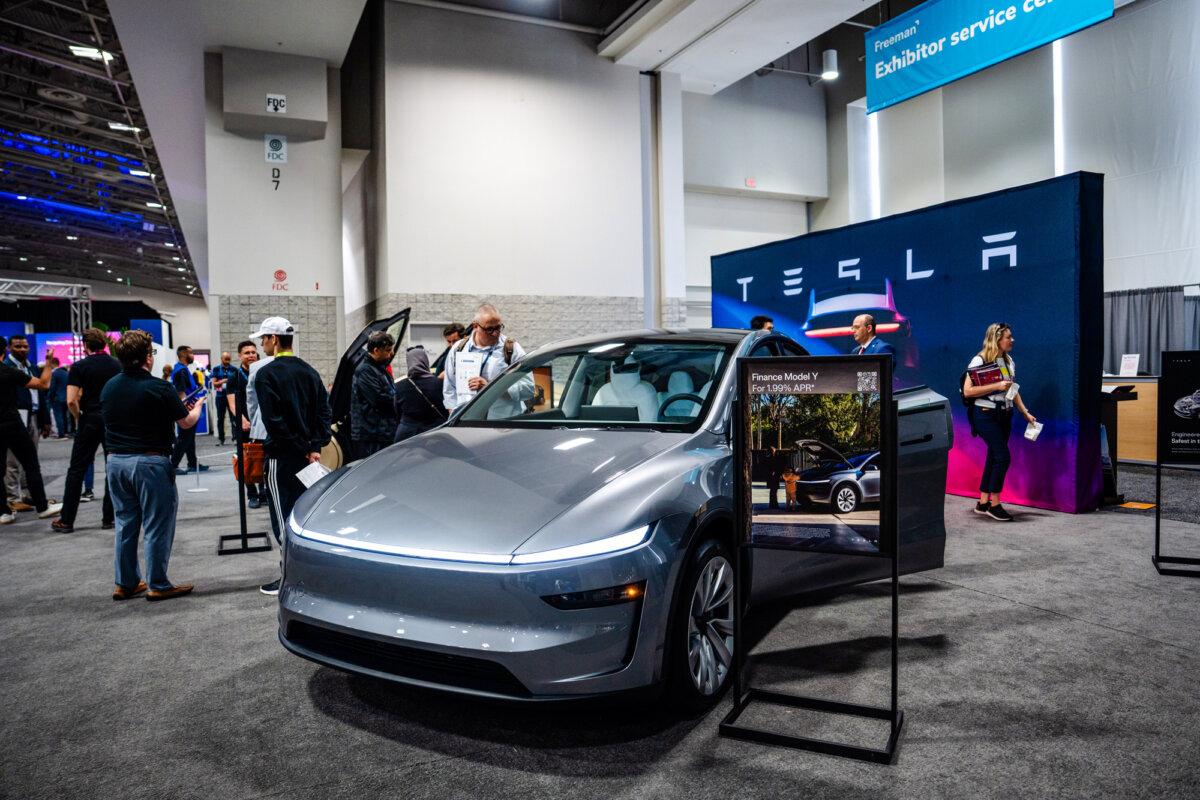
The average price of electric vehicles (EVs) is headed in the opposite direction, hitting $55,300—1.4 percent lower than a year ago—as demand for the once-hot market started to diminish last year.The loss of the federal $7,500 tax credit in September 2025 forced a price drop for nearly all models, except Teslas, and prompted some manufacturers to discontinue producing EVs in the United States.
The average EV buyer received a 14.2 percent discount from the sticker price, according to Kelley Blue Book.
This year, new EV sales dipped, but demand for used models strengthened.
Vehicle Sales Expected to Rise
Overall, February auto sales in the United States are expected to rebound from a slow January, reaching about 1.19 million units, but new vehicle sales should remain moderate, according to S&P Global Mobility.“We expect that auto sales in February should thaw somewhat from the chilly January 2026 result but remain modest, with volume for the month below the year-go period,” said Chris Hopson, manager of North American light vehicle sales forecasting for S&P Global. Mobility.
The projected 6-percent increase from January’s sales would be one of the smallest growth rates of the past decade. Hopson attributed the slower growth to affordability issues faced by consumers.