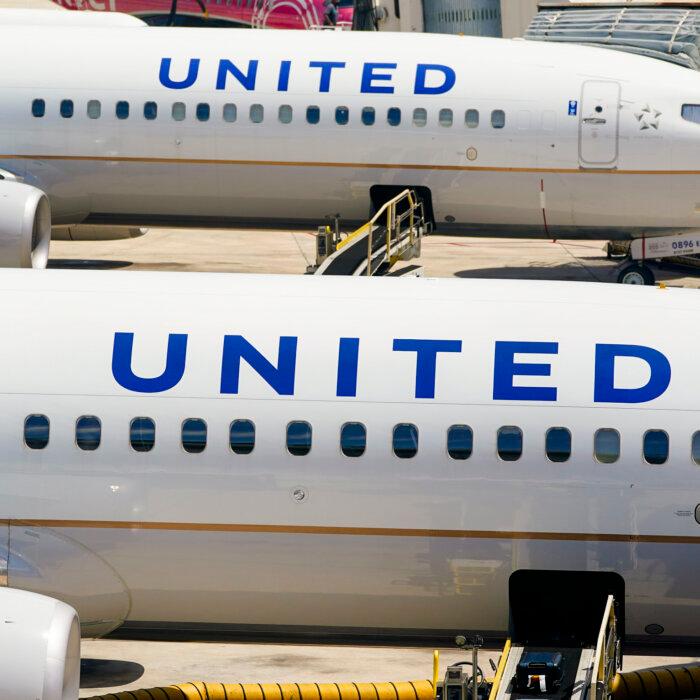
American Airlines and United Airlines have both suspended their only remaining passenger routes to the Middle East, citing security concerns amid escalating tensions between Israel and Iran.
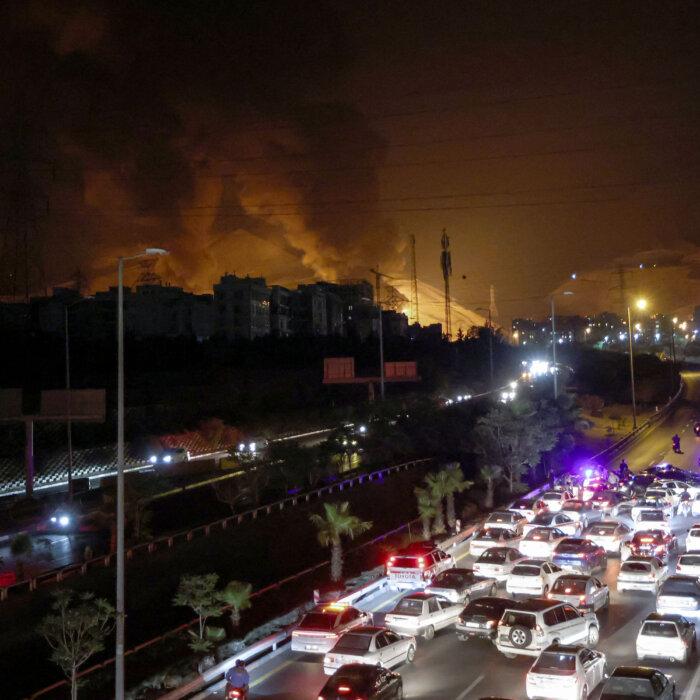
In a statement to The Epoch Times, American confirmed that it has paused its daily flight between Philadelphia and Doha, Qatar, until June 22 at least, effectively suspending all services to the Middle East. The move comes as tensions remain high in the region, after Israel’s June 13 air campaign against Iranian nuclear and military sites triggered a series of retaliatory drone and missile strikes by Iran.
“American Airlines has made adjustments to its Doha, Qatar (DOH) operation, temporarily suspending flights between DOH and Philadelphia (PHL) through Sunday, June 22,” the airline said in a June 19 emailed statement. “We will continue to monitor the situation with safety and security top of mind and make any additional adjustments as needed.”
Citing regional unrest, a spokesperson for United told The Epoch Times via email that its only active Middle East route has been suspended.
“Due to conflict in the region, United’s daily flights between Newark and Dubai (DXB) are paused,” the spokesperson said. “United will continue to monitor the situation and will work to assist our customers through this disruption.”
“Out of an abundance of caution and in light of ongoing regional hostilities, the U.S. Embassy has advised its personnel to exercise increased vigilance and has temporarily restricted access to Al Udeid Air Base,” the alert states. “We recommend that U.S. citizens in Qatar take similar precautions.”
The embassy advised Americans in Qatar to avoid demonstrations and large gatherings, steer clear of areas with heavy police presence, monitor local media, follow the instructions of local authorities, and maintain a low profile, especially in locations publicly associated with the United States.
The flight cancellations and heightened security measures come amid rising tensions due to the ongoing conflict between Israel and Iran, which on June 19 traded further air attacks, raising fears that major world powers could be drawn in and further undercut regional stability.
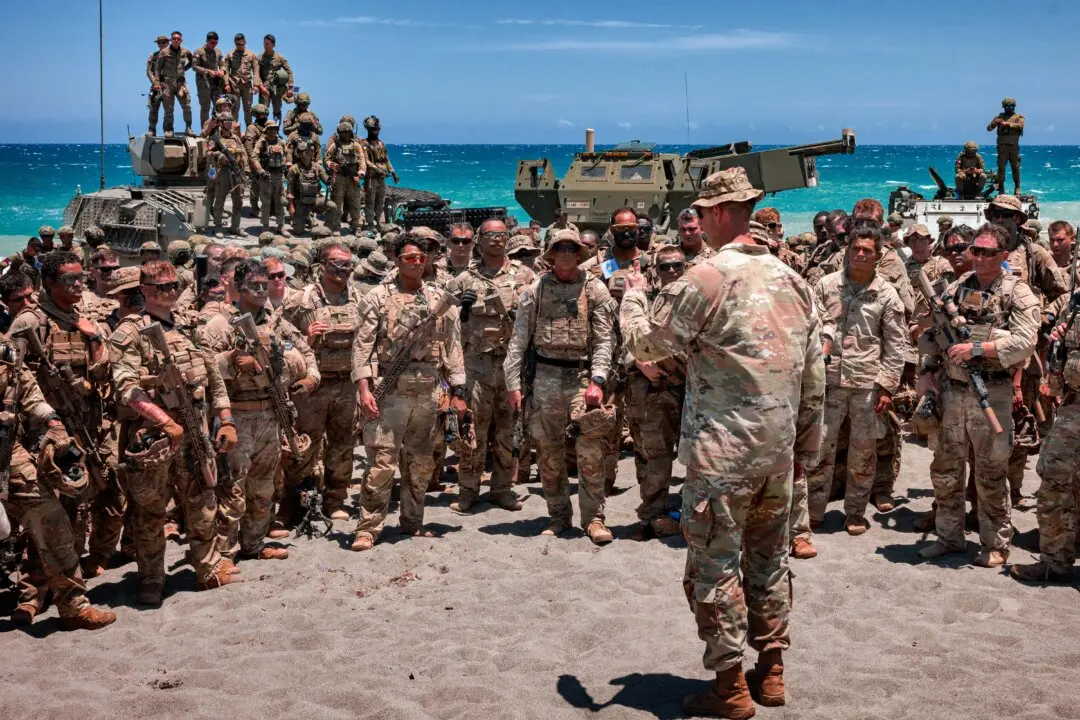
In response to the deteriorating security situation, the Trump administration has taken steps to reinforce the U.S. military presence in the region. Defense Secretary Pete Hegseth announced over the weekend that additional U.S. forces would be deployed to the Central Command area of responsibility, which includes the Middle East.
The president capped off his series of warnings with a renewed call for unconditional surrender from the Iranian regime.
Meanwhile, although Israeli forces have managed to damage several Iranian nuclear facilities, they have so far failed to destroy the Fordow uranium enrichment plant, a fortified site buried deep underground. Defense analysts say striking Fordow would likely require the U.S. military’s 30,000-pound GBU-57 Massive Ordnance Penetrator—deliverable only by America’s B-2 stealth bomber. Israel does not possess either the bomb or the aircraft.
Trump told reporters at the White House on June 18 that he has several concepts in mind for how the United States should proceed in the conflict, but said he would wait until the last moment to decide.
“I like to make the final decision one second before it’s due,” Trump said. “With war, it can go from one extreme to the other.”