
Nearly one in 10 Americans now say they have been diagnosed with cancer at some point in their lives—an increase of almost 40 percent in 16 years.
This represents a 9 percent increase from the previous survey period of 2022–2023, when 8.9 percent of respondents said they had received a cancer diagnosis.
In 2008–2009, 7 percent of respondents said they had been diagnosed with cancer.
Mortality Rates Declining
The American Cancer Society estimates that overall cancer mortality declined 34 percent from 1991 to 2022, largely because of improvements in treatments and screening techniques and a reduction in smoking.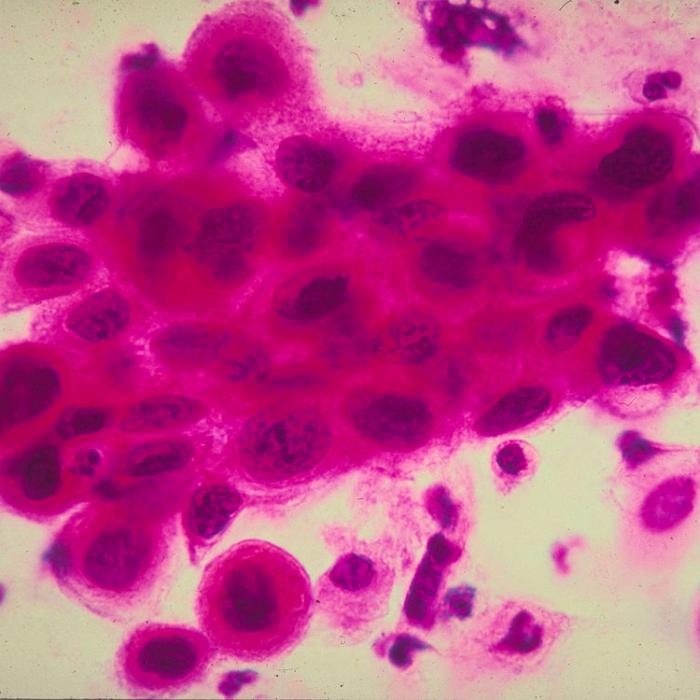

However, the NIH found rates for 19 other kinds of cancer among younger people were falling across the same period (2010–2019), which Gallup researchers said indicates a “mixed picture” in early-onset diagnoses.
For its poll, Gallup surveyed 41,000 adults across every state in 2024 and 2025, in what was designed to be a representative sample of the population. They asked participants the question, “Has a doctor or nurse ever told you that you have cancer?”
Among people over 65, 21.5 percent now say they have received a cancer diagnosis—up 3.4 percent compared with the 2008–2009 survey.
For those aged 45 to 64, 8.9 percent now say they have received a cancer diagnosis, up 1.5 percent from 2008–2009.
Among those aged 18 to 44, the proportion who have received a cancer diagnosis remained steady since 2008 and 2009.
Demographic Differences
Overall, men were slightly more likely to say they had received a cancer diagnosis than women. A total of 9.8 percent of men across all age groups said they had received the diagnosis in the latest survey, compared with 9.6 percent of women.Among men, the proportion saying they had received a diagnosis increased by 3.6 percent over the 15-year period, compared with an increase of 1.7 percent among women.
In terms of race, black adults saw the fastest increase in the proportion saying they had been diagnosed with cancer, a rise of 3.6 percent overall.
White adults saw an increase of 2.7 percent, while Hispanic adults saw a 2.3 percent rise.
Asian adults saw the slowest growth in the proportion who said they had received a cancer diagnosis, up 1.4 percent over the 15-year period.
Overall, white people were most likely to receive a cancer diagnosis, the survey found, with 10.9 percent saying they had been told they had cancer.
The diagnosis was least likely among Asian adults overall. The survey showed 3.2 percent said they had previously received a cancer diagnosis. Among black adults, it was 7.8 percent, and among Hispanic adults, it was 5.4 percent.
Gallup researchers said: “Overall, the cancer story in the U.S. is mixed with both good news and bad news. Mortality is falling and people are living longer post-diagnosis, but an aging population and an increasing percentage of those living post-removal or post-remission bring their own challenges to the US healthcare system.
“Even after being clinically cancer-free, survivors typically remain under structured medical surveillance for years—and sometimes indefinitely—depending on the cancer type, stage and treatment history.
“The result is that even as millions of Americans are no longer acutely ill, they remain medically engaged, seeing oncologists or other specialists, undergoing scans, managing late effects and living with ongoing health anxiety.”