The mayor of Albuquerque has announced the creation of a new department of first responders that will send unarmed social workers, rather than police, to respond to some 911 calls.
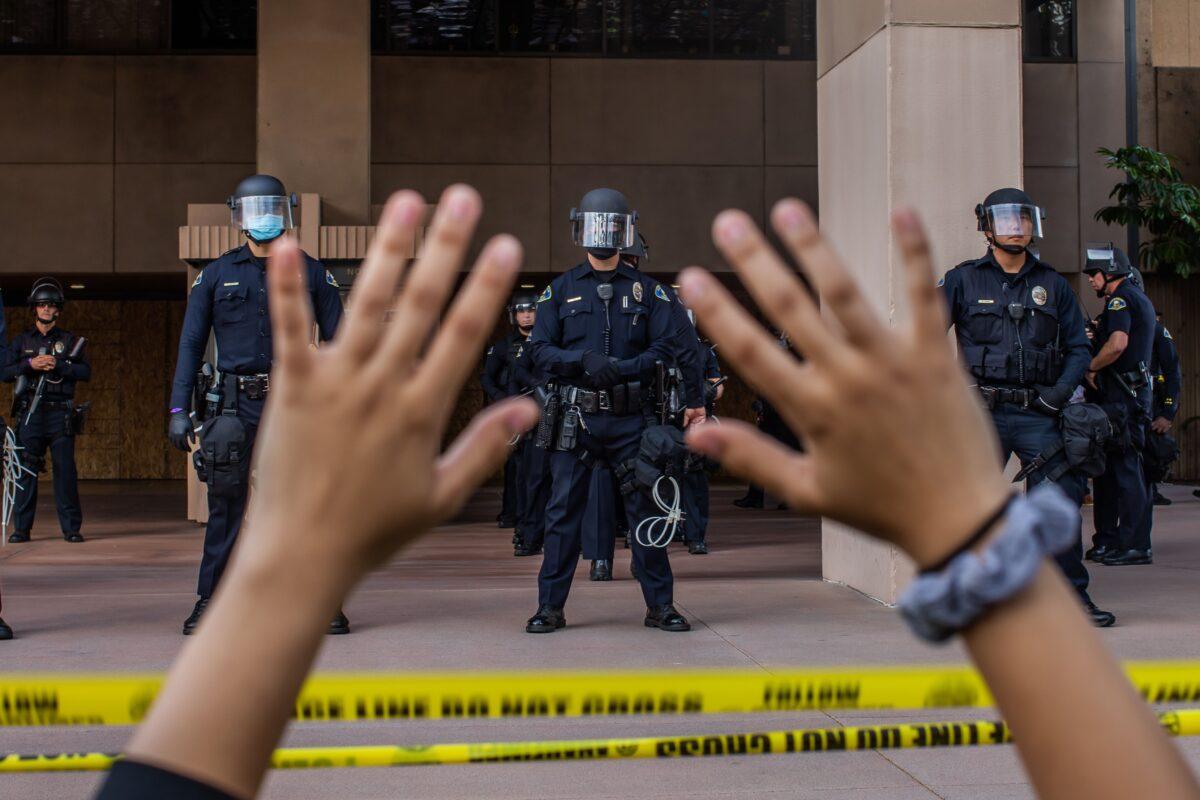
The move comes amid calls to review and revise law enforcement practices following the death of George Floyd, who died while in the custody of Minneapolis police, sparking protests that rocked America and spread across the world.
Called Albuquerque Community Safety (ACS), the new cabinet-level department will include social workers, diversion program experts, and specialists in the areas of homelessness and prevention of violence.
Keller said the decision comes after years of public pressure to deliver an alternative to deploying armed law enforcement agents and instead provide a “better solution for de-escalation and more officers for community policing.”
“It’s time we stop asking officers to do everything, and time we get people the help they need instead of sending armed officers to knock on their door,” Keller added.
The mayor said the new department would refocus millions of dollars through the budget process into a public health model with a civilian-based response, which would benefit officers by not burdening them with tasks that are unrelated to the core job of policing.
“We want to send the right resource to the right call—especially where a social worker or trained professional can connect people with the services they need, instead of simply taking folks to jail or the hospital, which have been the only choices until now,” Keller said.
He insisted the new model would not deprioritize fighting crime and would not take money away from core police work, nor would it ask “police to do more and more without giving them more resources.”
Albuquerque Police Department Chief Mike Geier said he believes the new department would make the city safer.
“We have seen success when officers partner with behavioral health clinicians and social workers to address complicated cases involving people in crisis or child neglect and abuse,” he said.
Geier said the move would let officers now dispatched to a range of calls that he said “do not need or benefit from a police response,” and that takes away from time they could be doing community policing.
“Civilian expertise can make all the difference in resolving problems without the threat of arrest,” he said, adding that less police involvement in certain types of cases “helps to build trust with the community and allow[s] officers to focus on reducing crime.”
Cities across the country, and the federal government, are working to revise policing practices amid a groundswell of unrest sparked by Floyd’s death.
“It is the policy of the United States to promote the use of appropriate social services as the primary response to individuals who suffer from impaired mental health, homelessness, and addiction, recognizing that, because law enforcement officers often encounter such individuals suffering from these conditions in the course of their duties, all officers should be properly trained for such encounters,” Trump wrote in the order.