A lack of air traffic control staff continued to delay flights as of late on Oct. 7, due to the federal government shutdown.
The Federal Aviation Administration (FAA) announced staffing issues in Nashville, Boston, Dallas, Chicago, and Philadelphia.
Additionally, air traffic control centers in Atlanta, Houston, and the Dallas-Fort Worth area were affected.
More than 3,000 flights were delayed on the second day of the staffing shortage, according to flight tracking data.
Flights were delayed an average of 30 minutes at Newark Liberty International Airport, which caters to New York City travelers, while Nashville International Airport air traffic control and Ronald Reagan Washington National Airport are also experiencing delays due to staffing shortages.
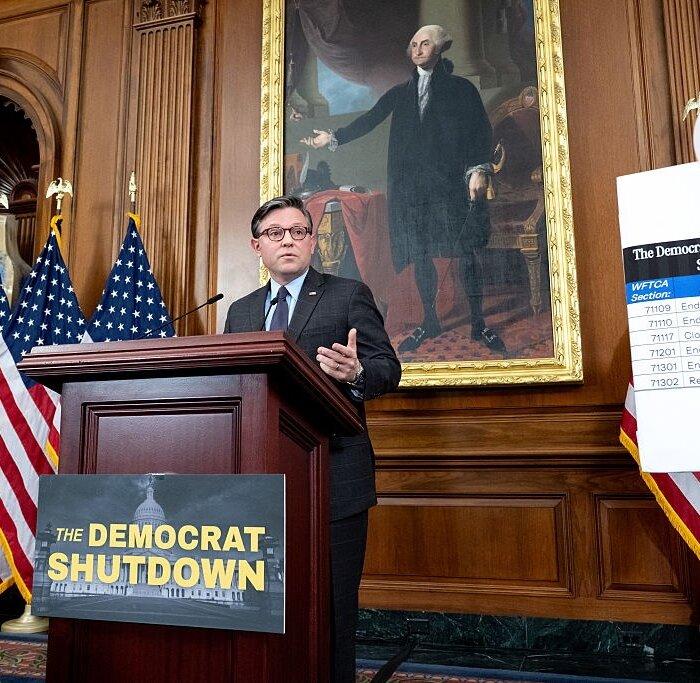
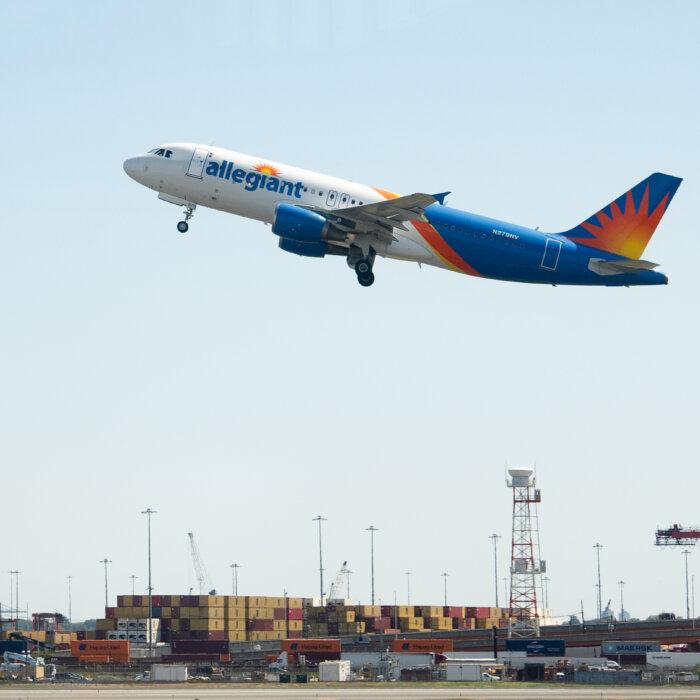
As the government shutdown reached the one-week mark, union leaders for the controllers and airport security screeners have stated that the issue could get worse.
While air traffic disruptions were reported starting on Oct. 6 in Burbank, California, Newark, New Jersey, and Denver, according to the FAA, around 92 percent of the more than 23,600 domestic flights from U.S. airports took off on time.
Weather conditions are also partially to blame for delays.
Both political parties have said that the other is to blame for the shutdown.
“You'll see delays come from that,” said Duffy, who spoke with reporters alongside Nick Daniels, the president of the National Air Traffic Controllers Association, which represents nearly 20,000 air traffic controllers.
Duffy noted that controllers will miss their first paycheck on Oct. 14 if the shutdown stretches on. “Some areas, there’s been a 50 percent reduction in some of the staffing,” he said.
House Speaker Mike Johnson (R-La.) said the same day he’s open to legislation that would ensure military members and air traffic controllers don’t miss their next paychecks.
Johnson and Senate Majority Leader John Thune (R-S.D.) spoke about the impact of the shutdown, with Johnson saying, “We’re monitoring that day by day. I’m certainly open to that. We’ve done it in the past. We want to make sure our troops are paid.”