In her post, Rollins said that more than 13,000 samples have been screened and that zero NWS flies have been identified thus far.
In addition, 750,000 sterilized NWS flies are being trucked in and dispersed in the Nuevo León region twice per week, she said.
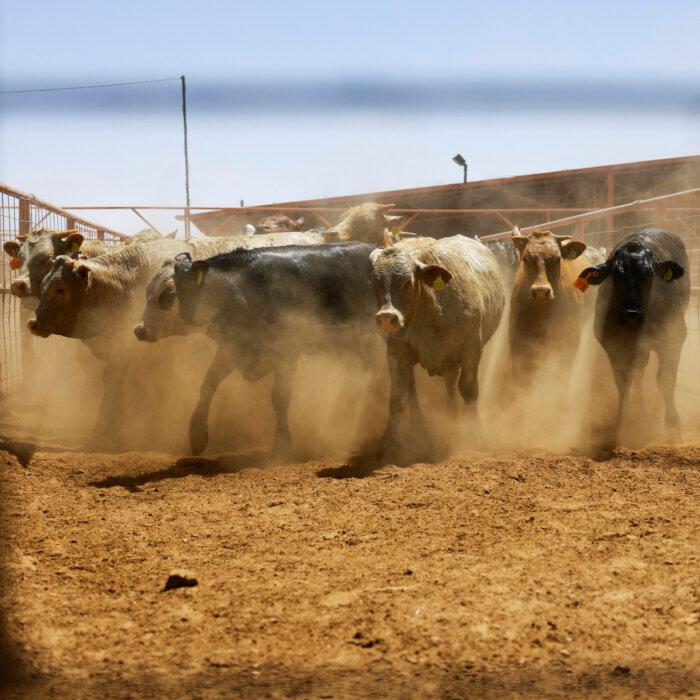

“When NWS fly larvae (maggots) burrow into the flesh of a living animal, they cause serious, often deadly damage to the animal,“ the agency stated. ”NWS can infest livestock, pets, wildlife, occasionally birds, and in rare cases, people.
“It is not only a threat to our ranching community, but it is a threat to our food supply and our national security.”
Since May, U.S. ports have been closed to imports of cattle, horses, and bison from Mexico to prevent the spread of NWS flies into the United States.
Rollins accused Mexico of having “failed to enforce proper cattle movement controls and neglected to regularly maintain fly traps as agreed, undermining detection efforts.”
“This is unacceptable,” she said in the post on X. “Mexico must immediately implement agreed-upon protocols, expand surveillance, and restrict cattle movement in infected zones. For the foreseeable future the border will remain closed.”
Moreover, the trapping system set up throughout northern Mexico has so far not detected a single NWS fly, according to the statement.
“Mexico has established an identification and communication protocol at approved feedlots in the north of the country to immediately detect and eliminate cases and prevent any further incidents,” it reads.
“This authorization equips FDA to act quickly, limit the spread of New World Screwworm, and protect America’s livestock.”
Currently, no drugs have been approved by the FDA to prevent or treat NWS infections. According to the FDA, its Center for Veterinary Medicine is working with companies to identify drugs that can work against the parasite.
The infection was detected after the individual returned to Maryland from El Salvador, HHS spokesperson Andrew Nixon told The Epoch Times in an emailed statement.
“This is the first human case of travel-associated New World screwworm myiasis (parasitic infestation of fly larvae) from an outbreak-affected country identified in the United States,” he said, noting that the case posed a “very low” risk to public health in the United States.