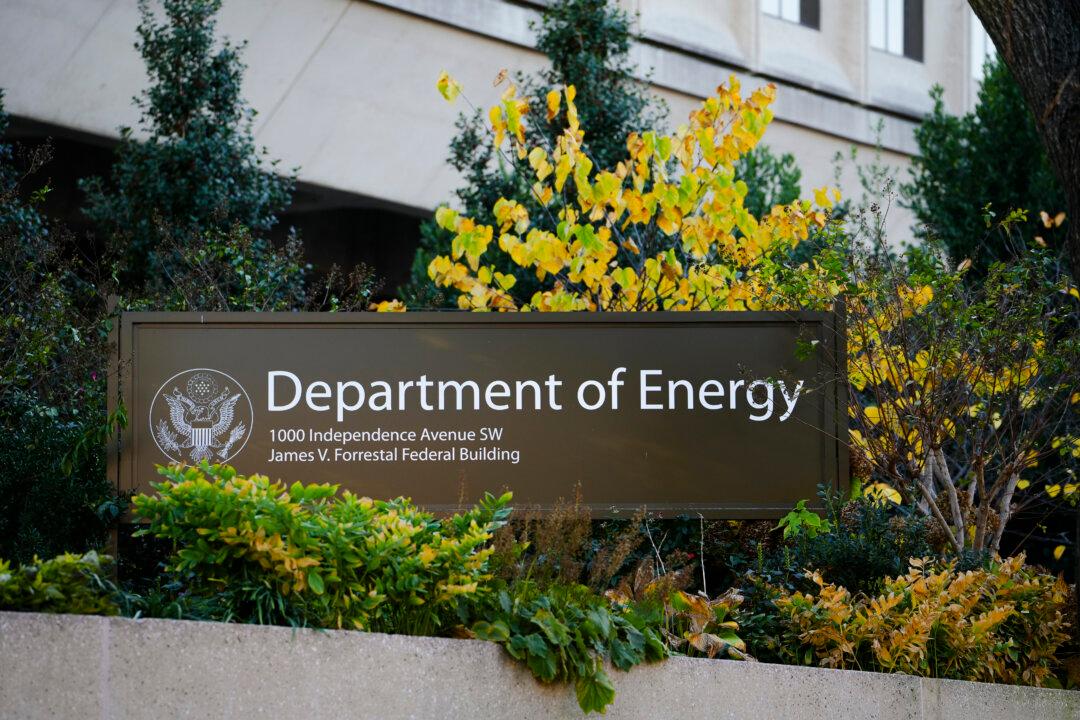
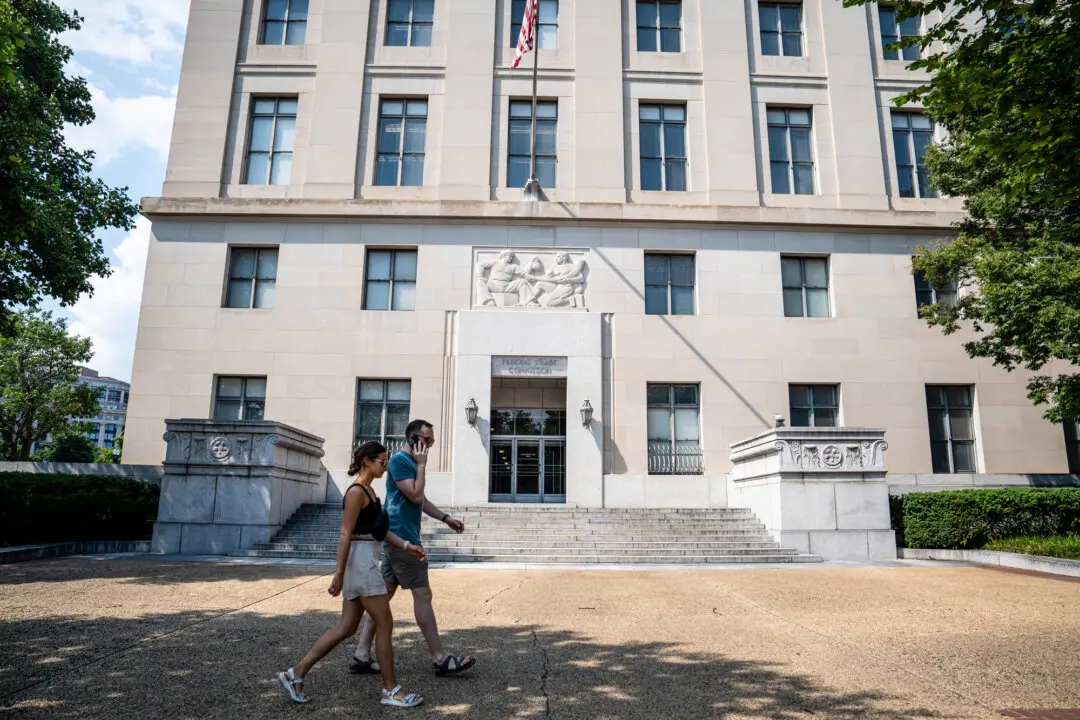
The terminated contracts had a ceiling value of $8.5 billion and saved $546 million, DOGE said.
This included a “533k Dept. of Commerce consulting contract for ‘editing support services to the Fisheries Resource Division’ and a $61M HHS research contract for ‘solutions to support innovation in pursuit of affordable and better healthcare,’” according to the post.
According to the DOGE website, the initiative has saved $214 billion in taxpayer funds as of Oct. 4. This comes to roughly $1,329 in savings per taxpayer.
The savings were achieved through actions such as grant cancellations, contract/lease cancellations and renegotiations, asset sales, workforce reductions, and the deletion of fraud and improper payments, DOGE said.

Agencies that have seen the most savings include the Department of Health and Human Services, General Services Administration, Social Security Administration, Office of Personnel Management, and Small Business Administration.
The article is “full of inaccurate and misleading statements,” the agency said in its post.
NPR said that a contract termination showing $4.3 million in savings was not actually terminated and that almost all the money had already been spent.
DOGE published the receipt for $4.3 million of de-obligated funds under the contract, which it said was the “very definition of taxpayer savings.”
DOGE has faced criticism regarding privacy risks in its operations. In February, a group of unions and individuals sued the Trump administration over DOGE’s access to the data of American citizens.
“Steamrolling into sensitive government record systems threatens to upend how these critical systems are maintained and compromises the safety and security of personal identifying information for Americans all across the country. It also violates federal law,” the plaintiffs argued.
The mass disclosure of people’s personal information “flies in the face of that legal framework and tramples on the individual privacy rights and interests protected by the Privacy Act,” the complaint stated.
In March, Judge Deborah Boardman of the U.S. District Court for the District of Maryland issued a preliminary injunction blocking the Treasury Department, Office of Personnel Management, and Department of Education from disclosing the plaintiffs’ information to DOGE affiliates.
However, on Aug. 12, the U.S. Court of Appeals for the Fourth Circuit lifted the block. Circuit Judge Julius Richardson said plaintiffs were unlikely to succeed in proving that DOGE’s activities violated federal law.
“To insist that the DOGE affiliates explain in advance the exact information they need and why is to demand something just short of clairvoyance,” Richardson said.
“It does not stretch the imagination to think that an employee tasked with modernizing an agency’s software and IT systems would require administrator-level access to those systems, including any internal databases, especially when conducting the initial survey of the agency’s technological ailments.”