And then there were two.
President Donald Trump has narrowed the field for the next Federal Reserve chair to National Economic Council Director Kevin Hassett and former Federal Reserve board member Kevin Warsh—and the dichotomy between the two men could have implications for Wall Street.
Wall Street might have diverging views as financial markets are poised to respond markedly differently depending on whether Trump selects Hassett or Warsh, according to Tom Essaye, president and cofounder of the Sevens Report.
The Hassett versus Warsh debate, Essaye said, has centered mainly on Fed independence.
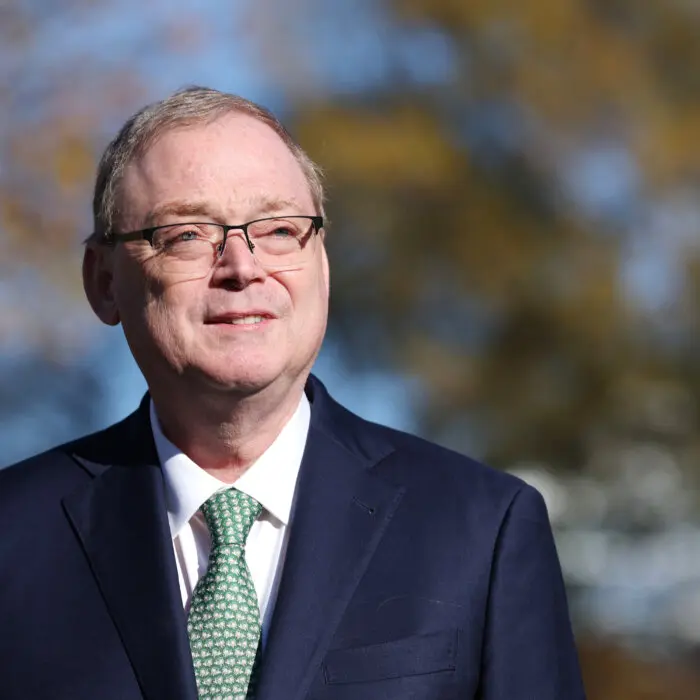
The White House official might take a more hawkish stance, pushing for sharper rate cuts. The former Fed insider may move more cautiously.
“The Federal Reserve’s independence is really, really important, and the voices of the other people at the [Federal Open Market Committee], they’re important, too,” he said. “So the way you’ve got to drive interest rate movements is with consensus based on the facts and the data.”
For months, the president has suggested that Powell’s replacement should be more open to cutting interest rates, adding that the individual should consult with him on policy decisions.
Inflation and Independence
But investors care more about inflation than about the concept of Fed independence, according to Essaye.“Inflation is bad for bonds and bad for the economy and any Fed chair who is going to do what the president wants raises the risk that the president will want rates too low for too long, unintentionally sparking inflation,” he said in a note emailed to The Epoch Times.
Dean Lyulkin, market analyst and CEO of small business lender Cardiff, said that as a result, the final selection could be a near-term market catalyst.
“Either way, markets will start pricing that difference immediately,” he said in a statement to The Epoch Times.
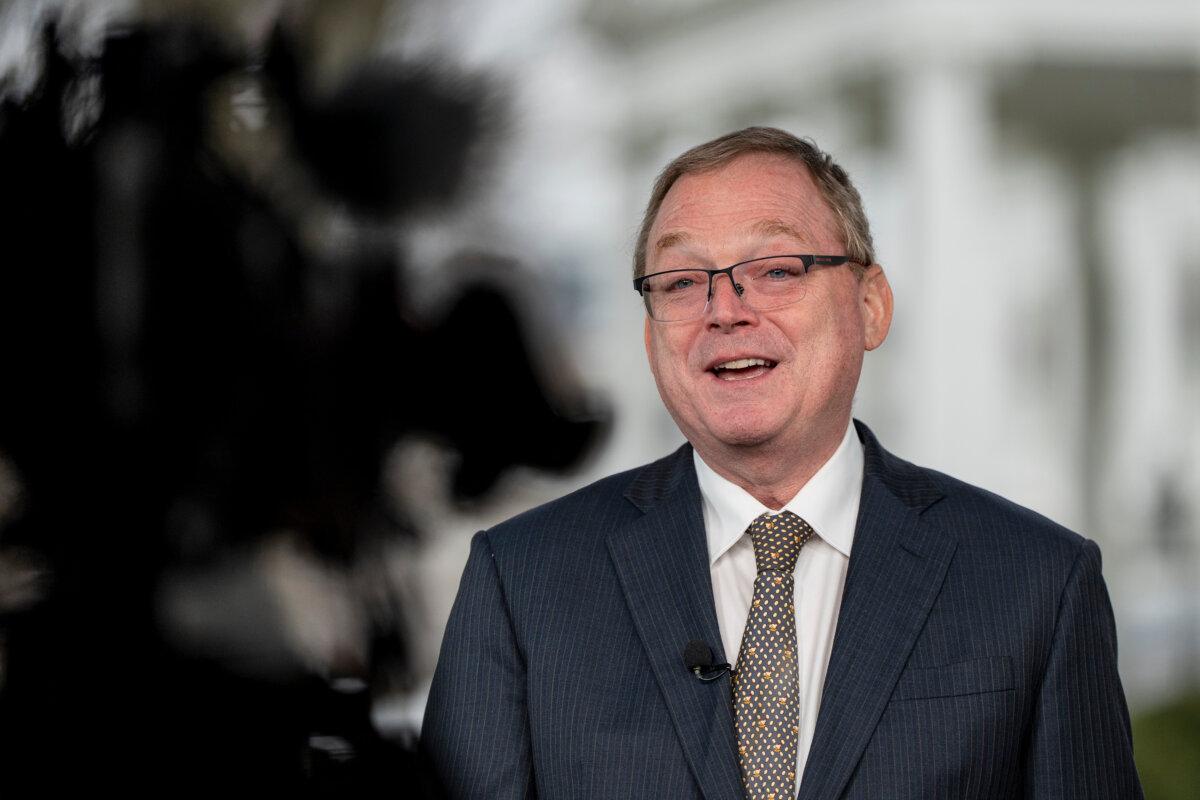
The fear is that Hassett might, like Arthur Burns under President Richard Nixon, keep interest rates suppressed to placate the president, opening the door to inflation.
Despite that inflation pressures were brewing, Burns kept interest rates low expanded the money supply, appeasing Nixon’s demands for easy monetary policy to bolster his reelection chances. This led to a breakout of inflation.
One area in particular, according to Bessent, is inflation.
“I think we’ve got to have someone who has an open mind that they break this idea that often the Fed has that growth creates inflation,” Bessent said. “Growth does not create inflation. Friction creates inflation where there’s more demand in the economy than supply.”
Warsh has long championed sweeping reforms to the institution.
Powell may be a symptom of a much larger problem; Warsh pointed to the holdovers left behind once Powell’s term expires in May 2026.
“We need regime change in the conduct of policy,” the Hoover Institution distinguished visiting fellow said. “The credibility deficit lies with the incumbents that are at the Fed, in my view.”
Although market watchers believe the future of policy would be uncertain under a Warsh-led Federal Reserve, he has been vocal in supporting the president’s position on lowering interest rates.
In the end, the discussion will be focused on hawks versus doves, according to Jan Szilagyi, CEO and cofounder of artificial intelligence investment analytics platform Reflexivity.
“Hassett’s dovish stance: publicly advocates 50bp cuts, rapid easing,” Szilagyi said in a note emailed to The Epoch Times. “Warsh’s experience: Fed Governor 2006-2011, market trusts his measured approach.”