A Broadcast Meteorologist’s Top Tips for Preparing for the Next Natural Disaster

‘Don’t wait until disaster strikes,’ says FEMA-certified natural disaster preparedness instructor, meteorologist, and television host Cheryl Nelson.
A Broadcast Meteorologist’s Top Tips for Preparing for the Next Natural Disaster
A vehicle drives through a road flooded by the waters of the Guadalupe River, in Hunt, Texas on July 9, 2025. Umit Bektas/Reuters
|Updated:
Americans across the country have already faced a slew of natural disasters this year, from the devastating wildfires that burned across parts of Southern California in January to the deadly flooding that swept through Central Texas in July.
The spate of natural catastrophes in the first half of 2025 alone caused approximately $131 billion in overall economic losses, according to a July 29 report from the insurance company Munich Re.
Highlighting ways to avoid future losses, Thomas Blunck, a member of Munich Re’s management board, said in a statement that the implementation of more effective preventive measures, such as robust building construction and better infrastructure, was crucial.
“Such precautions can help to maintain reasonable insurance premiums, even in high-risk areas,” he said. “And most importantly: to reduce future exposure, new building development should not be allowed in high-risk areas.”

However, for individuals seeking to safeguard their lives in the event of a severe weather emergency, Emmy-nominated broadcast meteorologist Cheryl Nelson’s advice is quite simple.

“Don’t wait until disaster strikes to get prepared—plan ahead,” she told The Epoch Times.
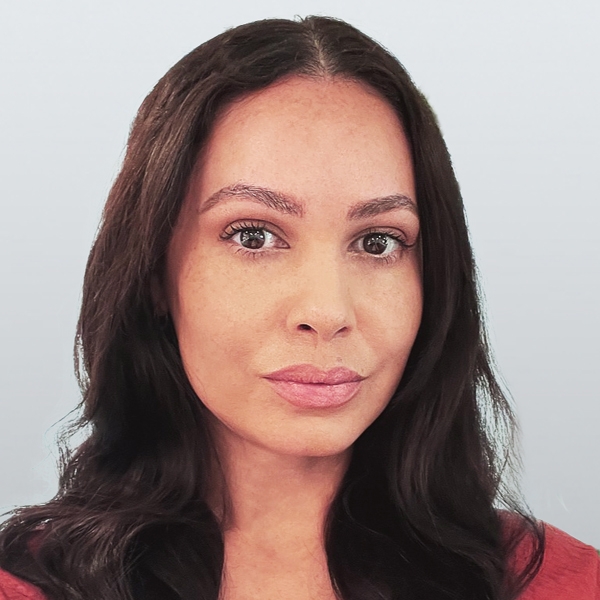
Nelson, a FEMA-certified instructor and television host, founded a boutique natural disaster and travel preparedness consulting agency called Prepare with Cher in 2019.

Her goal was to eliminate the guesswork and make preparedness approachable for all Americans, families included.

“Preparedness isn’t a one-size-fits-all solution. It requires personalizing a plan that fits your specific risks, location, and household needs,” Nelson said. “Each type of disaster comes with unique risks and timelines, so preparation needs to be tailored accordingly.”
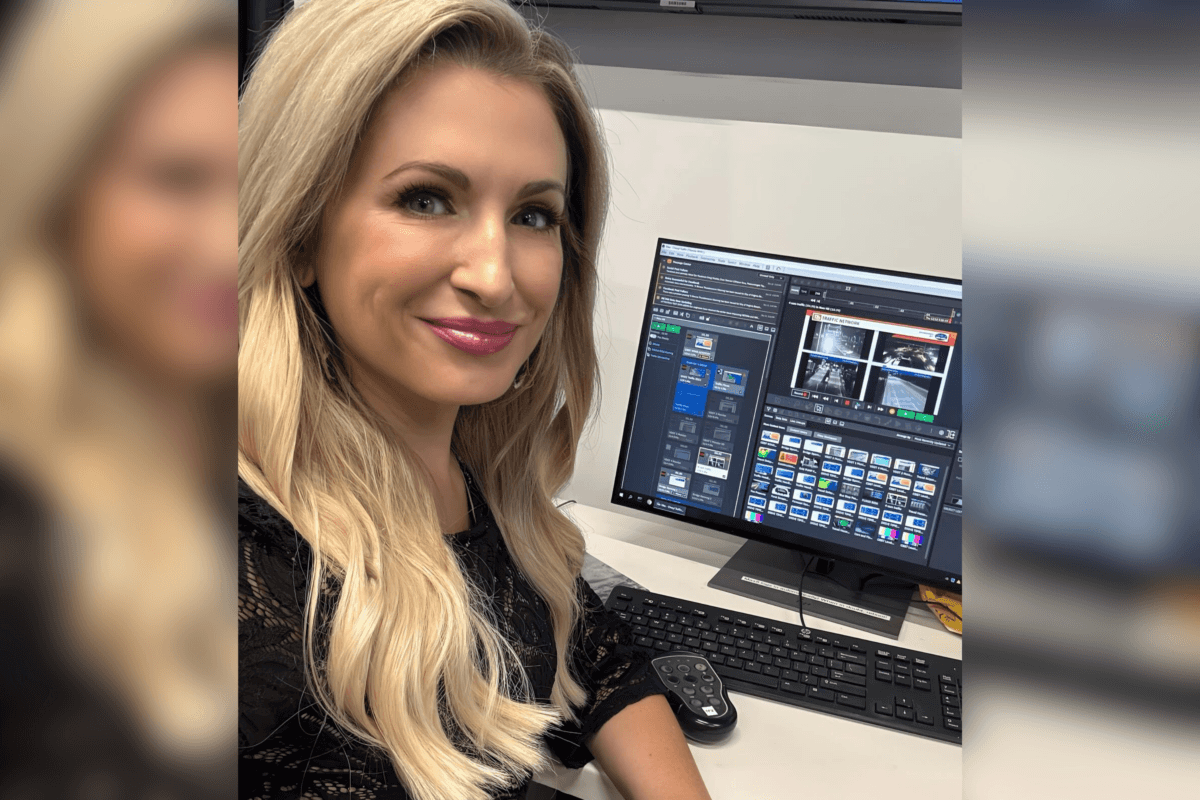
Cheryl Nelson is an Emmy-nominated broadcast meteorologist, FEMA-certified instructor, and founder of the natural disaster preparedness agency Prepare with Cher. (Courtesy of Cheryl Nelson)
Cheryl Nelson is an Emmy-nominated broadcast meteorologist, FEMA-certified instructor, and founder of the natural disaster preparedness agency Prepare with Cher. Courtesy of Cheryl Nelson
Many disasters often occur with little to no warning, including flash floods and tornadoes. Although certain parts of the United States are more vulnerable to the latter, they can occur in all 50 states, with roughly 1,200 tornadoes ripping across the country each year, the National Oceanic and Atmospheric Administration reports.

“The average lead time for a tornado warning is 13 minutes,” Nelson noted. “So it’s critical to have a shelter plan and know where to go immediately—ideally a basement or small, interior, windowless room on the lowest floor.”

Hurricanes, on the other hand, usually allow for more lead time. “Evacuation plans, securing your home, and preparing for power outages are key,” the host said, adding that coastal residents facing tsunamis should know evacuation routes and have a plan in place to get to higher ground.

As for wildfires, Nelson recommended having an evacuation kit ready and creating a defensible space around homes in fire-prone areas.

“Ultimately, the more you understand the characteristics of each hazard, the better you can prepare,” she said.

Nelson—who resides in Virginia, a state impacted by hurricanes, flooding, winter storms, and tornadoes, among other disasters—always keeps a well-stocked emergency kit ready to go.

“My go-bag reflects an all-hazards approach,” she said.

A first aid kit, flashlights, extra batteries and chargers, a portable power bank, changes of clothes, sturdy shoes, and a battery- or crank-powered emergency radio are among her essentials. She also keeps N95 masks on hand, which can be especially useful for those living in areas prone to wildfires.
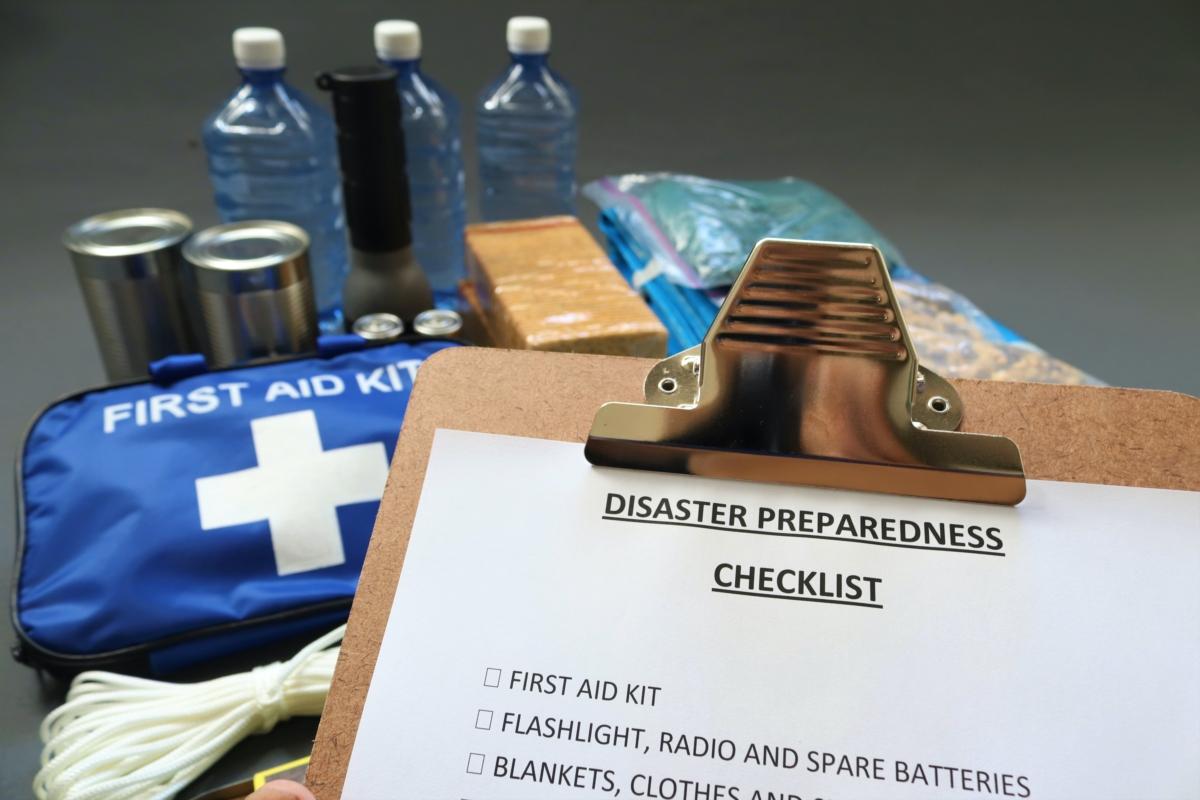
A disaster preparedness checklist, featuring a variety of disaster essentials, including a first aid kit, bottles of water, food, a flashlight, and extra batteries. (Speedshutter Photography/Shutterstock)
A disaster preparedness checklist, featuring a variety of disaster essentials, including a first aid kit, bottles of water, food, a flashlight, and extra batteries. Speedshutter Photography/Shutterstock

Nelson also recommends keeping cash in single-dollar bills, a paper map of the local area, and copies of important documents sealed in a waterproof bag, as well as any needed prescription medications, personal hygiene items, non-perishable food, and enough water to last three days.

“One gallon per person per day,” she said. “I also keep pet supplies packed, since I have furry family members, too.”

Families should also ensure that they have thoroughly communicated what to do and where to go when disaster strikes.

“Include kids in the conversation—make it age-appropriate, but don’t leave them in the dark,” Nelson said. “Empowered kids cope better during real emergencies.”

The Federal Emergency Management Agency (FEMA) has fillable, printable emergency communication plans on its website, where families can input important phone numbers and addresses, including meetup spots, both inside and outside of the local neighborhood. There are also sections where parents and children can draw out helpful maps and home emergency exit points.

“Everyone in the household should know evacuation routes, if you’re in a flood zone, where to go, how to communicate, and what to do in different scenarios. Practice your plan through drills so it becomes second nature,” Nelson advised.

“Whether it’s a hurricane, wildfire, or tornado, knowing your risks, having an emergency kit, and having a family-communicated plan can literally save lives,” she added.

“Remember: When a disaster strikes, you or your neighbors may be your own first responders.”

Google LogoMark Us Preferred on Google
Audrey Simons
Audrey Simons
Author
Audrey is a freelance entertainment reporter for The Epoch Times.