When President Donald Trump took office one year ago, the life expectancy of Americans was lower than in 2019.
About 38 million people, or one in 10, suffer from diabetes. Nearly 20 percent of American children are obese.
Health coverage had become increasingly unaffordable. Insurance premiums had risen at twice the rate of inflation for a decade, and six times faster than real income.
Trump had signaled that health care would be a primary focus of a second term well before the 2024 election.
“We want every child in America to grow up and to live a long and healthy life,” Trump said when introducing longtime health advocate Robert F. Kennedy Jr. to his campaign.
Make America Healthy Again took its place beside Make America Great Again as a campaign slogan.
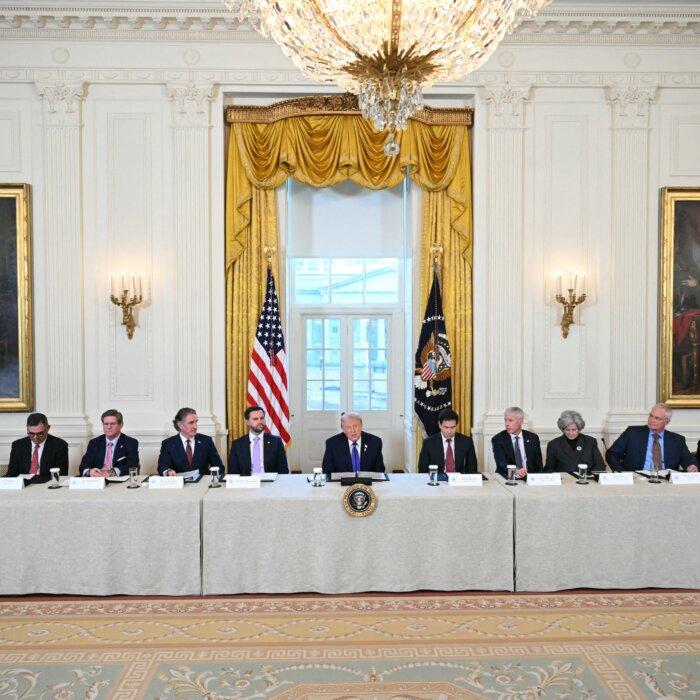
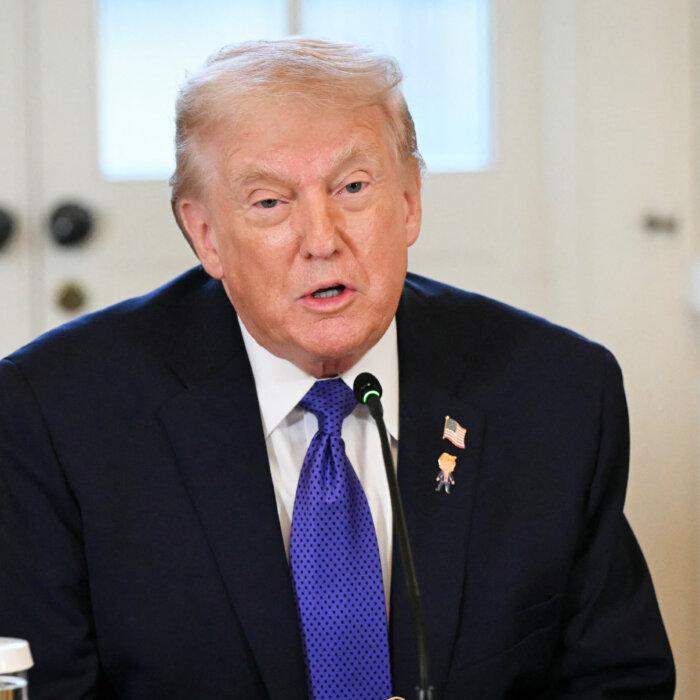
“[Trump has kept that pledge] with a full policy suite to systemically lower healthcare costs and also reduce the healthcare services that Americans would even need in the first place,” White House spokesperson Kush Desai told The Epoch Times via email.
1. Outsider Thinking
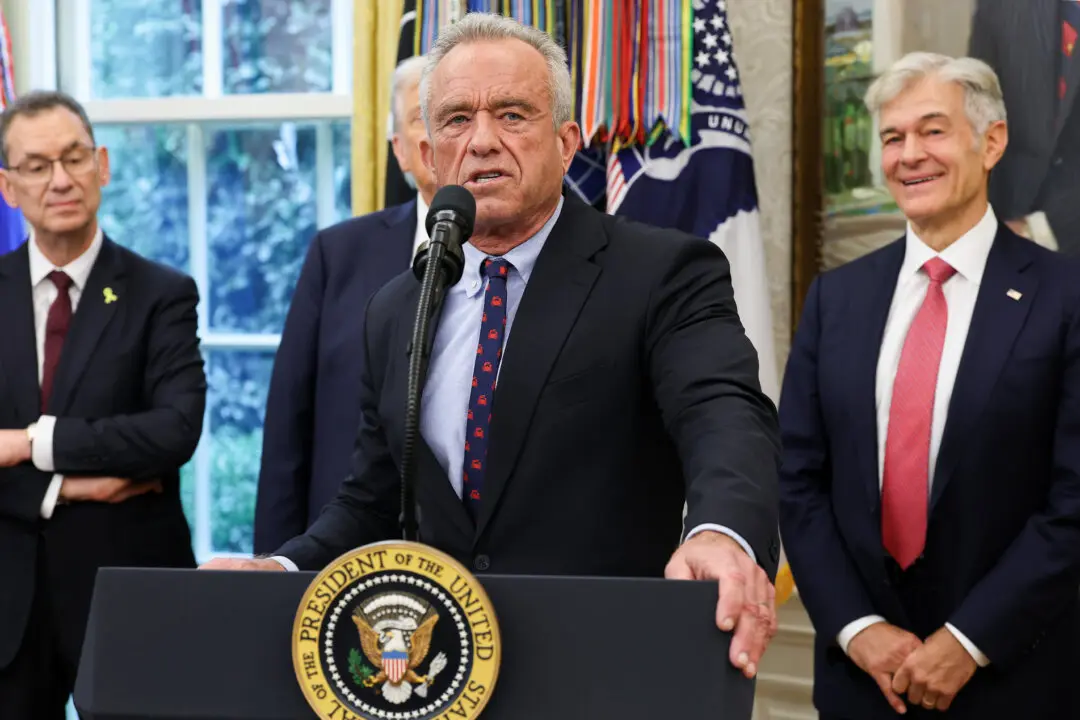
Trump signaled change with his selection of Washington outsiders for key posts, starting with Kennedy as secretary of the Health and Human Services Department.Dr. Mehmet Oz, administrator of the Centers for Medicare and Medicaid Services, is a heart surgeon and a former Columbia University professor who had become better known as a talk show host.
Dr. Marty Makary, tapped to lead the Food and Drug Administration, is a surgical oncologist and former professor at Johns Hopkins University who has written books that criticize health care billing practices and question the medical consensus on some issues.
The administration has been criticized by some and praised by others for questioning long-established practices such as the childhood vaccination schedule and the allocation of medical research funding.
That means favoring conversation over regulation, according to Oz.
“Am I trying to audit you and find you doing something wrong?“ he said. ”Or am I trying to say, ‘Hey, listen, your industry is run amok. You’re not helping the American people anymore. We got to fix it. So what do you want to do?’”
That approach led to the implementation of the Most-Favored-Nation Prescription Drug Pricing policy, Oz said.
2. Leveling Drug Prices
Trump used a carrot-and-stick approach to enlist major pharmaceutical makers to voluntarily lower prices for U.S. customers.Pharmaceutical companies initially pushed back on the policy.
“Importing foreign prices from socialist countries would be a bad deal for American patients and workers,” Stephen Ubl, president of the trade group Pharmaceutical Research and Manufacturers of America, said in a statement.
Yet under the threat of U.S. tariffs and with the support of U.S. trade negotiators, major pharmaceutical companies began to make drug pricing deals with the administration and renegotiate prices with other countries.
Fifteen drug makers have agreed to the terms of the Most-Favored-Nation policy since Sept. 30, 2025.
Among the drugs included in these agreements are Amgen’s cholesterol-lowering drug Repatha, which has had its price reduced to $239 from $573; HIV medication Reyataz, by Bristol Myers Squibb, which has had its price lowered to $217 from $1,449; and hepatitis C medication Epclusa, by Gilead Sciences, which has had its price lowered to $2,425 from $24,920.
One criticism of the policy is that it depends on voluntary cooperation from manufacturers, which is not binding for the future. Trump has asked Congress to codify this pricing policy into law, with exceptions for manufacturers that have already entered agreements with the administration.

3. Overhaul of Nutrition Guidance
Based on Trump’s call for “fresh thinking on nutrition” as part of the Make America Healthy Again initiative, Kennedy called on state governments to prevent the purchase of soda and candy with funds from the Supplemental Nutrition Assistance Program.Eighteen states responded by removing some high-sugar, low-nutrition foods from eligibility for the program. Indiana, Iowa, Nebraska, Utah, West Virginia, Idaho, Oklahoma, Louisiana, Colorado, Texas, Virginia, Florida, Arkansas, Tennessee, Hawaii, South Carolina, North Dakota, and Missouri have implemented purchase restrictions or will begin them this year.
“I think it just makes wise nutritional sense, business sense, common sense,” Christy Hope, an Indiana social worker, told The Epoch Times. “The benefits are intended to cover nutritional items.”
Some others questioned the usefulness of the bans.
“If we start making a list of [foods] which are good for people and which are not, it will be a huge list,” Nikhil V. Dhurandhar, chair of nutritional sciences at Texas Tech University, told The Epoch Times. “It is not practical.”
The new guidelines deemphasize grains and carbohydrates in favor of protein and saturated fats. This change reversed long-standing federal policy, which had been criticized by nutrition experts for decades.
“These new guidelines are informed by the best and most reliable research on health and nutrition, particularly as it relates to the role of our diets in the prevalence of chronic disease in the country,” Kennedy said.
The guidelines are used in forming menus for public schools, the military, Veterans Affairs facilities, and federal programs such as Head Start.
Some have criticized the new guidelines as politicizing food.

4. Revised Child Vaccination Schedule
One of the most significant changes in health policy under Trump has been the approach to vaccines, particularly the child immunization schedule, which was revised on Jan. 5.The former schedule recommended immunization against 18 illnesses, delivered in as many as 13 vaccines. From birth through age 18, a healthy child could receive up to 49 doses.
The new guidelines, which mirror those used in the European Union, recommend vaccination against 11 diseases. Other vaccinations are left up to parents based on physician recommendations.
Vaccines have been a topic of interest for Kennedy, who founded and led Children’s Health Defense—originally called the World Mercury Project—for more than a decade before joining the administration. His focus has been on advocating for robust studies to test the safety and effectiveness of vaccines.
The American Academy of Pediatrics filed a lawsuit challenging vaccine decisions made under Kennedy’s leadership and called the new guidelines “dangerous and unnecessary.”
Kennedy defended the change.
“Everybody who wants them can get all of the vaccines that were on the old schedule,” Kennedy told reporters on Jan. 7, noting that the Vaccines for Children Program and insurance programs would continue to cover them.
Kennedy said the new guidelines mirror those used in European countries.
“Those nations all have much better health outcomes than [the United States does],” he said.

5. Push for Price Transparency
Price transparency in health care was an objective of the first Trump administration and has been renewed in the second.Trump unveiled his “Great Healthcare Plan” on Jan. 15, which renews the transparency initiative. It would require health insurers and care providers to publicly post their prices and other information such as the rate of claim denials and the wait time for prior authorization decisions.
“I think all of us feel that we don’t have adequate price transparency,” Oz told reporters on Jan. 15. “You can’t have a true marketplace without that.”
Ninety-two percent of Americans favor requiring hospitals and insurers to reveal prices ahead of service, according to a 2025 poll by Patient Rights Advocate. That includes more than 90 percent of likely voters in both parties, as well as independents.
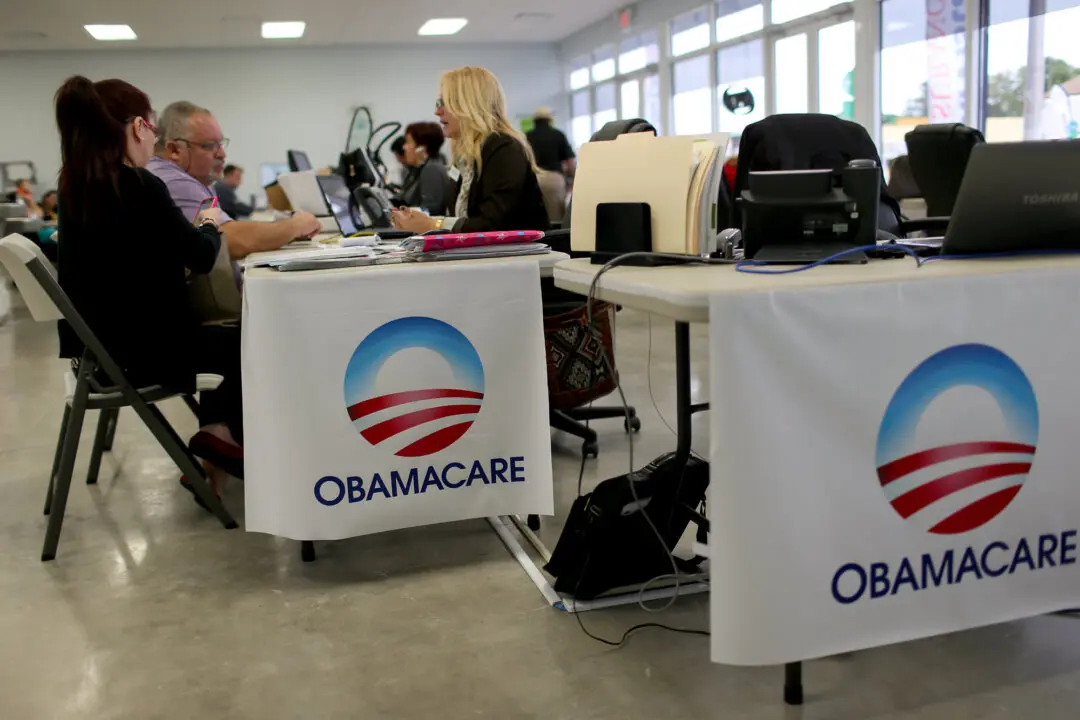
Trump has also proposed a series of actions to lower health insurance premiums, including sending money directly to low-income Americans to allow them to buy the health insurance; funding the reduction of deductibles and copayments for Affordable Care Act users; and cracking down on the practices of pharmacy benefit managers, the middlemen in the prescription drug supply chain.
These companies, which manage prescription drug pricing and claims for health insurers, often use a practice known as spread pricing, which allows them to negotiate undisclosed discounts from the drug makers that are not passed on to consumers.
The Great Healthcare Plan asks Congress to codify several of Trump’s cost-reduction initiatives into law.
A spokesperson told reporters on Jan. 15 that the White House expects to work with lawmakers to craft appropriate legislation.