
The financial fallout from the federal government shutdown, now in its fourth week, is expected to intensify over the next 10 days, as billions of dollars in salaries and other payments will not be disbursed.
Senate Republicans and Democrats have been deadlocked on a stopgap funding resolution that would fund the government temporarily through Nov. 21 while Congress continues to negotiate 2026 spending.
Nearly all Democrats have voted against the measure, saying they will not reopen the government until Republicans negotiate over their health care spending proposals to prevent insurance premiums from going up next year.
Republicans have said that the proposals are unserious and alleged that the shutdown is a stunt by Democratic leaders to appease their party’s left wing.
Oct. 24: No Paychecks for Many Workers
Many federal workers are likely to receive no pay on Oct. 24, ordinarily a payday, after receiving partial paychecks on Oct. 10.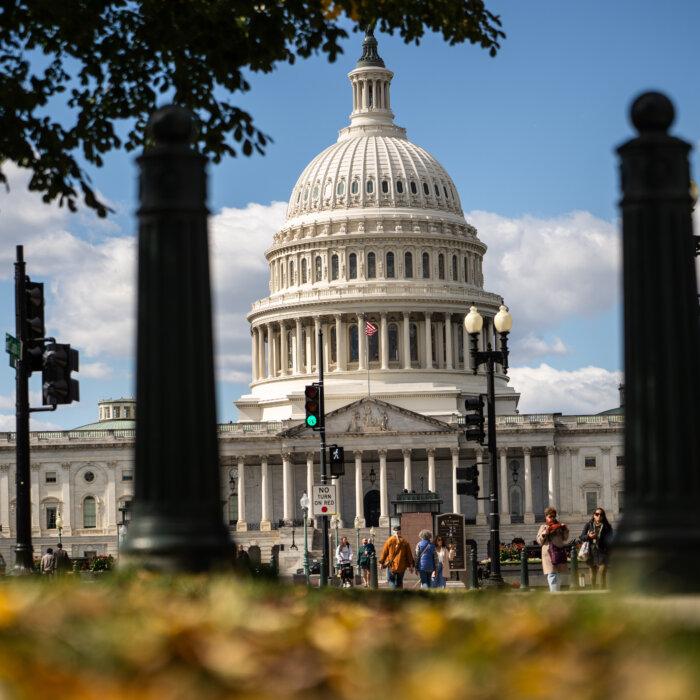
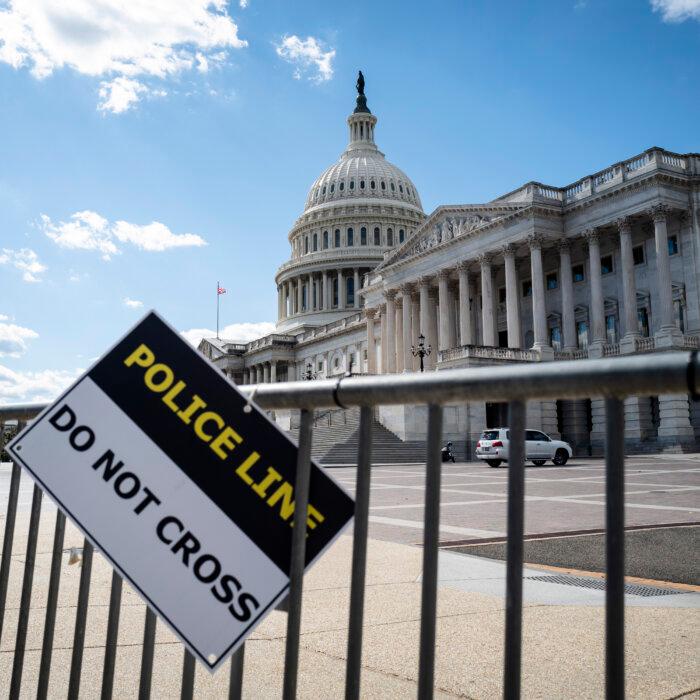
Another 690,000 federal employees are considered essential and are working without pay.
Oct. 28: No Pay for Air Traffic Controllers
Payroll schedules vary among federal agencies, so the nation’s 13,000 air traffic controllers and 40,000 Transportation Security Administration employees have a scheduled payday on Oct. 28, which the shutdown will likely cause them to miss.Secretary of Transportation Sean Duffy told reporters on Oct. 23 that air traffic controllers are “angry” and “frustrated” over working without pay. Some have decided not to report to work even though, as essential workers, they are required to continue working during the shutdown, and some are forced to take second jobs, he said.
Oct. 31: No Pay for Active Duty Military
The nation’s 1.1 million active duty service members will likely go without a paycheck on Oct. 21.Nov. 1: Changes in Federal Benefits
Premiums for 2026 health coverage under the Affordable Care Act Marketplace are expected to increase over 2025 rates when the open enrollment period begins on Nov. 1. The Affordable Care Act is President Barack Obama’s health care law, also known as Obamacare.One reason for the increase is that some temporary subsidies for many marketplace users are set to expire at the end of the year.
The expiring subsidies were created during the COVID-19 pandemic to allow people earning more than 400 percent of the federal poverty level—equating to $128,600 for a family of four—to receive federal financial assistance in paying for health coverage. The enhanced subsidies also provided additional financial aid for many people who already qualified for the program.
More than 22 million people benefit from the enhanced subsidies.
These subsidies are a key point of contention in the shutdown, as Democrats want them to be made permanent as a condition to reopen the government.
“You’re going to hear people around the country wondering what’s going on,” Sen. Lisa Murkowski (R-Alaska) told reporters on Oct. 23. “Yeah, I think there’s pressure.”
House Minority Leader Hakeem Jeffries (D-N.Y.) said he believes that Republicans will feel that pressure the most.
“Everyday Americans are having to pay $1,000 or $2,000 more per month in order to access health insurance,” Jeffries told reporters on Oct. 23. “Yet Donald Trump and Republicans continue to be nowhere to be found.”
House Speaker Mike Johnson (R-La.) said Democrats are responsible for increased insurance rates because they set the expiration date on the subsidies that they now seek to extend.
“During the COVID pandemic, Democrats created temporary Obamacare credits,” Johnson said on Oct. 22. “Democrats then voted to extend those credits. They set the expiration date. And then, when they held the majority in the Senate, it was Democrats who chose not to extend those credits beyond this year.”
Sen. Katie Britt (R-Ala.) said Democrats would be responsible for any lapse in SNAP funding.
“They continue to not come to the table, putting politics in front of the people that they serve,” Britt said on Oct. 23.
Nov. 4: Gubernatorial Elections
Virginia and New Jersey have gubernatorial elections this year that could offer a clue as to which party voters blame for the shutdown.Democrats believe that voters are siding with their handling of the shutdown. Jeffries, addressing the 2026 midterm elections, told reporters, “Republicans know that if the election were held today, they would lose and lose decisively.”
Johnson on Oct. 22 said, “The American people are not stupid,” indicating that they understand that the Republicans have their interests at heart.