Twenty states filed a lawsuit on July 29 challenging a provision in the One Big Beautiful Bill Act that would strip Medicaid funding from Planned Parenthood, the nation’s largest abortion provider.
The states alleged that the provision targeted Planned Parenthood for its abortion advocacy, arguing that it violates the spending clause and First Amendment protections by retaliating against the organization.
The provision would deny low-income individuals access to cancer screenings, testing, treatment for sexually transmitted infections, and family planning services, according to the lawsuit.
The lawsuit also argues that the provision would cripple the states’ medical health care ecosystem and force them to use state funds to keep affected health care centers operational.
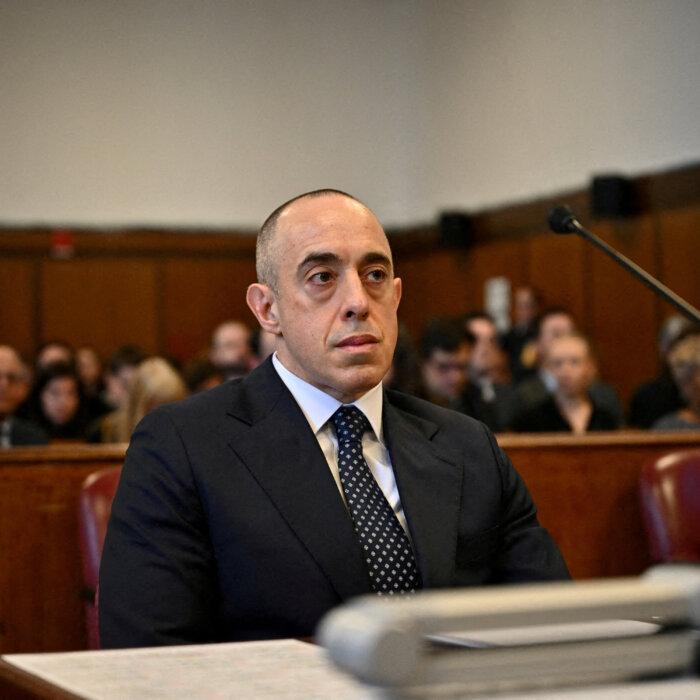

“This administration’s shameful and illegal targeting of Planned Parenthood will make it harder for millions of people to get the health care they need.”
The states urged the court to issue an injunction that will block the Department of Health and Human Services (HHS) from enforcing the provision and to declare it unconstitutional.
The other attorneys general joining the lawsuit are those from California, Colorado, Connecticut, Delaware, Hawaii, Illinois, Maine, Maryland, Massachusetts, Michigan, Minnesota, Nevada, New Jersey, New Mexico, North Carolina, Oregon, Rhode Island, Vermont, Washington, Wisconsin, and the District of Columbia. The state of Pennsylvania also joined in the lawsuit.
Pennsylvania Gov. Josh Shapiro condemned the “defund provision” as unlawful, saying that it would harm those who depend on Planned Parenthood for essential health services.
HHS spokesperson Andrew G. Nixon defended the provision, saying that states “should not be forced to fund organizations that have chosen political advocacy over patient care.”
“It is a shame that these democrat attorney generals seek to undermine state flexibility and disregard longstanding concerns about accountability,” Nixon stated.
The organization had argued that losing Medicaid funding could force it to close nearly 200 clinics across 24 states, potentially leaving more than 1 million patients without access to health care.
The government argued in a July 14 motion that the provision “neither targets nor punishes Planned Parenthood” but “merely declines to fund entities (not limited to Planned Parenthood) that perform elective abortions.”
Although federal law already bars taxpayer money from covering most abortions, pro-life groups have voiced concerns that abortion providers use Medicaid money for other health services to subsidize their abortion services.