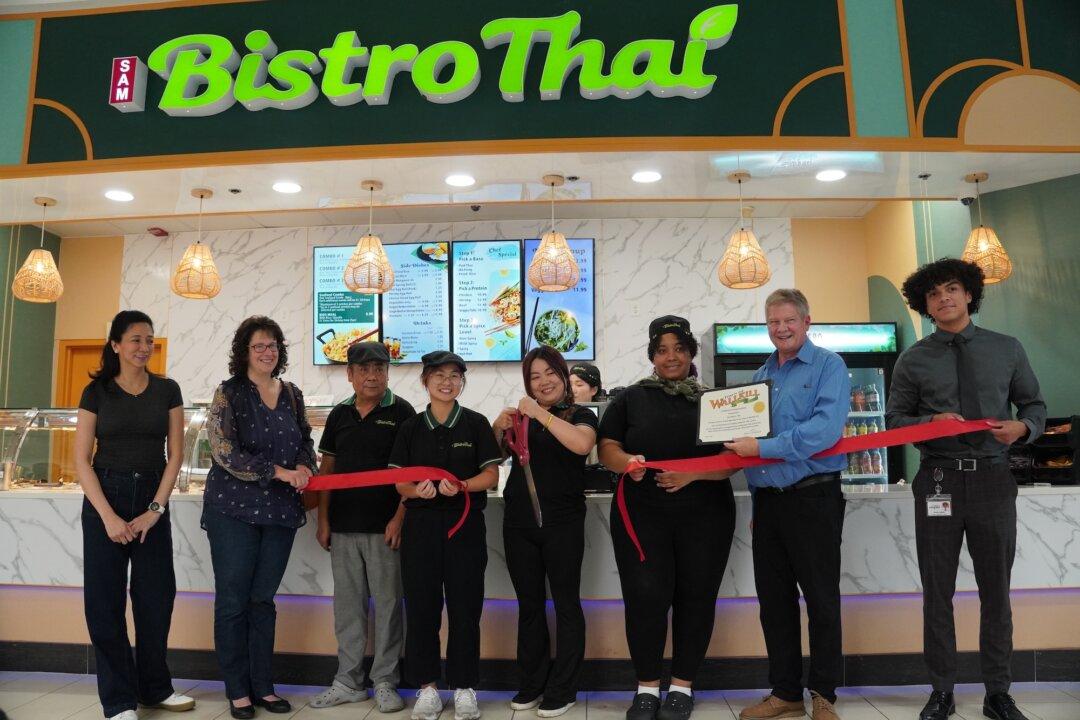
MIDDLETOWN, N.Y.—The Regional Food Bank, a not-for-profit organization that distributes donated and bought food in 23 counties in Northeastern New York, said on July 28 that about 350,000 people in the counties it serves are food insecure, representing about 12 percent of the population.
The food bank, which works with more than 1,000 charitable organizations to provide food to some of these people every month, held a conference on Tuesday at the A.M.E. Zion Church of Newburgh, a historically black church. Speakers included Rep. Pat Ryan (D-N.Y.), who voiced support for the organization’s agenda against hunger.
According to the U.S. Department of Agriculture, food insecurity can involve situations where people experience reduced quality and variety of food in one’s diet, as well as disrupted eating patterns and reduced food intake. Food insecurity may or may not involve hunger.
Regional Food Bank CEO Tom Nardacci said at the event that food insecurity is caused by four main issues: stagnant wages and growing costs, housing, healthcare and childcare, and grocery price inflation.
He said that it’s not always people who are visibly poor that are struggling with food.
“The richest school district, the wealthiest school district … the richest suburb, nice car in the driveway, they’re going to pantry once a month. It just hits every community we serve.”
The Regional Food Bank figures on food insecurity are from the newly released Map the Meal Gap study by Feeding America, which recorded food insecurity in America during 2024.
The new data found that 98,890 children in the food bank’s service area don’t have consistent access throughout the year to adequate food for active, healthy living for all household members.
This number represents 16.2 percent of all minors in the 23 counties, and a 4,770-child increase from 2023.
In Orange County, the reported number of children experiencing food insecurity is 17,650, or about 1 in 6. For the county’s entire population, it’s 50,590 people, or 1 in 8. Orange County had a population of 411,767 in 2024, according to a U.S. Census Bureau estimate.
Among those who are food insecure in the county, about 40 percent are above the Supplemental Nutrition Assistance Program (SNAP) threshold, while about 60 percent are below, the Map the Meal Gap study showed.
Nardacci said the food bank is experiencing strain because of a lack of federal funding.
“Last year, the Regional Food Bank was cut 7 million pounds of food from the USDA. So when we wonder why we have less protein and less food, less produce, well, that’s a direct result of that.”
The CEO said that reducing SNAP benefits will increase lines at the food bank even more, and that the lines have been getting longer as their budget for produce decreases.

Ryan said during the conference that the United States should not be having such a food supply issue.
“I think it is immoral, and it is un-American that we have more people hungry this year, in this community, than in the last multiple decades.”
Ryan said he’s working in Congress to lower the price of groceries and stop the conflict with Iran, which he views as unnecessary.
“We’re spending over a billion dollars a day right now in this war in Iran, and just a tenth of that would cover this gap of hunger in the Hudson Valley for the year.”
The Department of Agriculture told The Epoch Times in an email on July 31 that funding for food banks like the Regional Food Bank comes from the Emergency Food Assistance Program, which is set by Congress and disbursed by the state. Additional funding “is based on economic analysis of the commodity itself,” it said.