Friday, Sept. 9, 2011
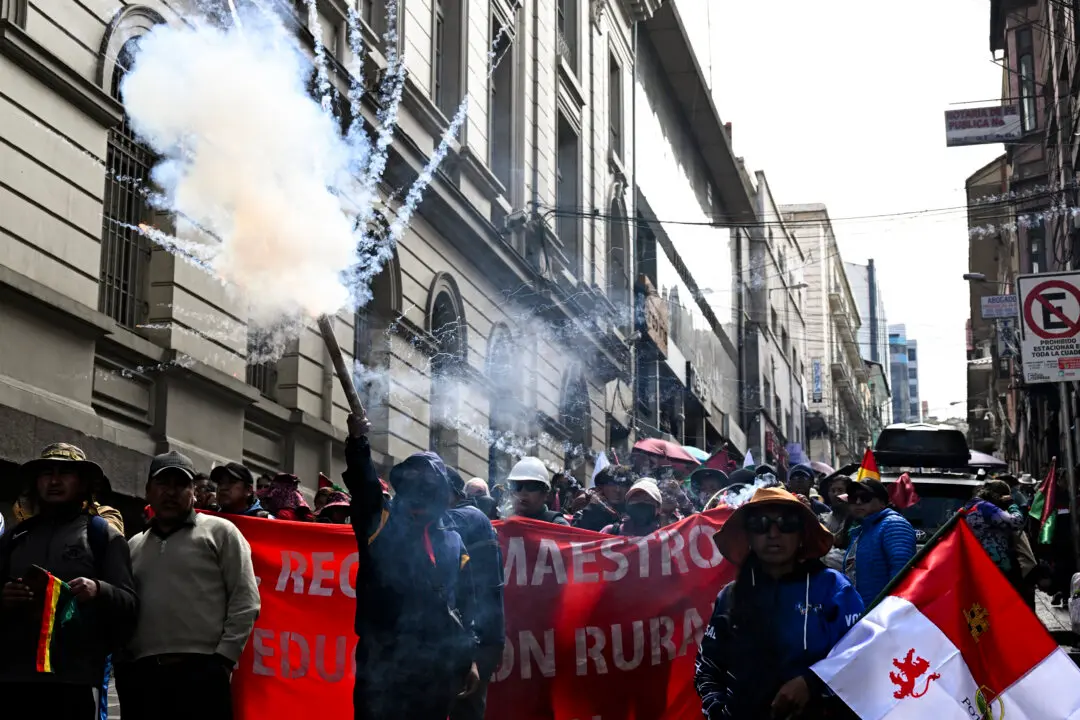
THEN On Sept. 9, 1881, Egyptian army colonel, Ahmad Urabi, leads a group of native Egyptian military officers and street supporters on a march to Khedive Tawfiq’s palace—the Ottoman governor administering the British empire’s rule over Egypt from 1879-1892—demanding that Egypt be governed by Egyptians. Standing before the Ottoman governor, Urabi threatens to withdraw military support for Tawfiq, saying, ‘‘We are not slaves, and shall never from this day forth be inherited.’' Urabi’s demonstration inspires a movement that takes on the rally cry of “Egypt for the Egyptians!” After reluctantly relinquishing some legislative powers to the Chamber of Deputies, the governor eventually calls upon the British military to re-establish his control in Egypt. Tawfiq later accuses Urabi of being a rebel, which prompts his arrest and eventual exile. With British military support and influence, Tawfiq continues to govern Egypt until Britain’s occupation of Egypt ends in 1914. NOW Last Monday in Cairo, Egypt, court proceedings resumed in the trial of deposed, former Egyptian President Hosni Mubarak. In what has been described as a raucous and violent courtroom spectacle, Mubarak was laid on a stretcher confined by a cage as former security officials from his regime took the stand to testify. Fistfights broke out between opposing lawyers in the courtroom, while brawls between Mubarak’s supporters and the families of those killed during the recent revolution erupted outside the courtroom. The violence prompted Judge Ahmed Refaat to excuse himself from the bench for 45 minutes. Mubarak is on trial for complicity to commit murder in relation to his regime’s crackdown on protesters that eventually toppled his rule. Violent clashes during the Egyptian revolution resulted in approximately 800 deaths between Jan. 25 and Feb. 11.