“We will be removing the ability for users under 18 to engage in open-ended chat with AI on our platform. This change will take effect no later than November 25,” the California-based company said. “During this transition period, we also will limit chat time for users under 18. The limit initially will be two hours per day and will ramp down in the coming weeks before November 25.”
The company said it was taking action after evaluating reports and feedback from regulators, safety experts, and parents.
“We are deeply sorry that we have to eliminate a key feature of our platform,” it said. “We do not take this step of removing open-ended Character chat lightly—but we do think that it’s the right thing to do given the questions that have been raised about how teens do, and should, interact with this new technology.”
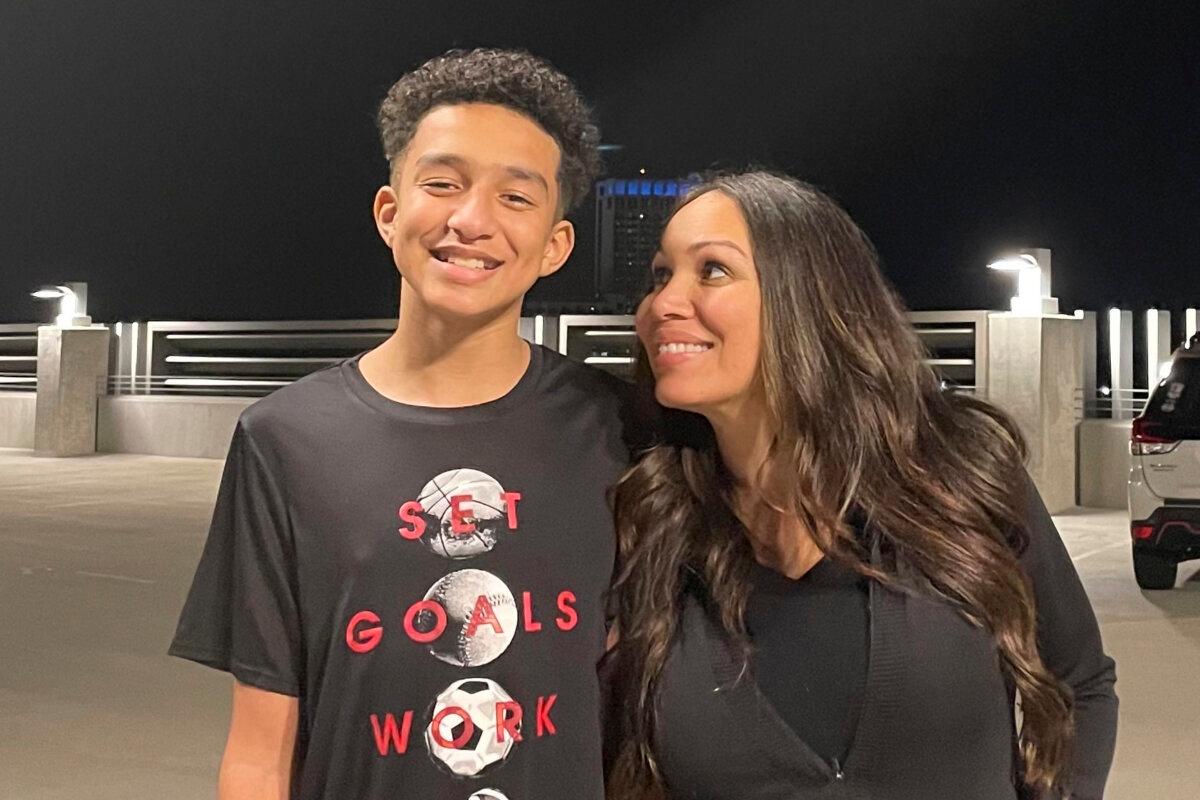
One of the parents was Megan Garcia, who sued Character.AI in 2024 after her son, Sewell Setzer III, took his own life following prolonged chatbot use.

“When Sewell confided suicidal thoughts, the Chatbot never said: ‘I’m not human, I’m AI. You need to talk to a human and get help.’ The platform had no mechanisms to protect Sewell or to notify an adult,” she said.
Another parent said her autistic son, who used to be close to his siblings, developed abusive behaviors and homicidal thoughts after using Character.AI.
At the time, a Character.AI spokesperson told The Epoch Times that the company had invested a “tremendous amount of resources” in ensuring the trust and safety of its products, including rolling out parental controls.
“We have prominent disclaimers in every chat to remind users that a character is not a real person and that everything a character says should be treated as fiction,” the spokesperson said.
One child, 13-year-old Juliana Peralta, took her own life in 2023 after interacting with the company’s AI character named Hero, and another child attempted suicide but survived, according to the complaints.
“Each of these stories demonstrates a horrifying truth ... that Character.AI and its developers knowingly designed chatbots to mimic human relationships, manipulate vulnerable children, and inflict psychological harm,” Matthew Bergman, founder of the center, said in a statement.
A spokesperson for Character.AI told The Epoch Times at the time, “Our hearts go out to the families that have filed these lawsuits, and we are saddened to hear about the passing of Juliana Peralta and offer our deepest sympathies to her family.”
The spokesperson added, “We invest tremendous resources in our safety program, and have released and continue to evolve safety features, including self-harm resources and features focused on the safety of our minor users.”
In its Oct. 29 statement, Character.AI said it will set up and fund an AI safety lab, an independent nonprofit aimed at ensuring that next-gen AI entertainment features align with safety requirements.
The company said it intends to give teen users access to other features of the platform, such as creating stories, videos, and streams with its AI characters.
A new “age assurance functionality” will be implemented to ensure that users are delivered the experience fit for their age, it said.
The bill would ban companies from providing AI companions to minors. It would also make it a crime for companies to knowingly make AI companions, which solicit or produce sexual content, available to these users, it said.
“AI chatbots pose a serious threat to our kids,“ Hawley said. ”More than seventy percent of American children are now using these AI products. Chatbots develop relationships with kids using fake empathy and are encouraging suicide. We in Congress have a moral duty to enact bright-line rules to prevent further harm from this new technology.
“I’m proud to introduce this bipartisan legislation with tremendous support from parents and survivors that will ensure our kids are protected online.”