Survey Shows Strong Support for Irish Overseas Aid

September 14, 2011 Updated: October 1, 2015

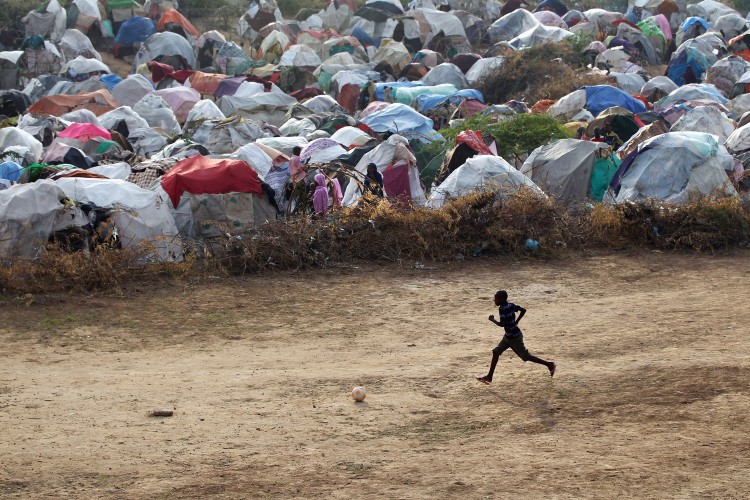
Somali Famine Refugees Seek Aid In Mogadishu (John Moore/Getty Images)
The Government should deliver on its aid promises to the world’s poorest to maintain its international reputation, according to a recent Dóchas/Ipsos MRBI opinion poll.

The survey, which was commissioned by Dóchas—the umbrella group of Irish development NGOs—found that 79 per cent of respondents agreed it was important for Ireland’s international reputation that the Government kept its aid promises of spending 0.7 per cent of national income on overseas aid by 2015 at the latest.

Although down on last year, when 84 per cent of respondents held this view, the survey shows that an overwhelming majority of people in Ireland support our aid promise.

“Ireland made promises to the world’s poorest people, and built a global reputation on the strength of those promises. That is exactly what people in Ireland want to see happen. Our survey shows that—even in a downturn—a very large majority of people want Ireland to deliver on its aid promises,” said Dóchas Director, Mr Hans Zomer.


Originally pledged in 2000 at the UN Millennium Summit, it has been Government policy to reach the UN target for spending 0.7 per cent of our GNI on overseas aid. The deadline has changed over time, however, as the original target date of 2007 was revised to 2012, and then again to 2015. The Labour-Fine Gael Programme for Government reiterates the commitment to achieve the 0.7 per cent GNP target by 2015.

Ireland’s aid budget currently stands at 671 million euro, or 0.52 per cent of Gross National Income, down from a high of 921 million euro in 2008.

In the survey, respondents were asked if Ireland should continue to support overseas aid, even with its current economic difficulties. The results showed strong support for overseas aid, with 79 per cent of respondents agreeing that it was important.

“Public support for investing in overseas aid continues to be strong. And this is not simply a matter of opinion: in recent times donations to the victims of the drought in Somalia have shown that people in Ireland do not want the economic crisis to be a reason for us to turn our back on the world’s poorest people,” said Mr Zomer.

“The figures remind the Government that people in Ireland feel strongly about our tradition, and our obligations towards those less fortunate than ourselves,” he said.