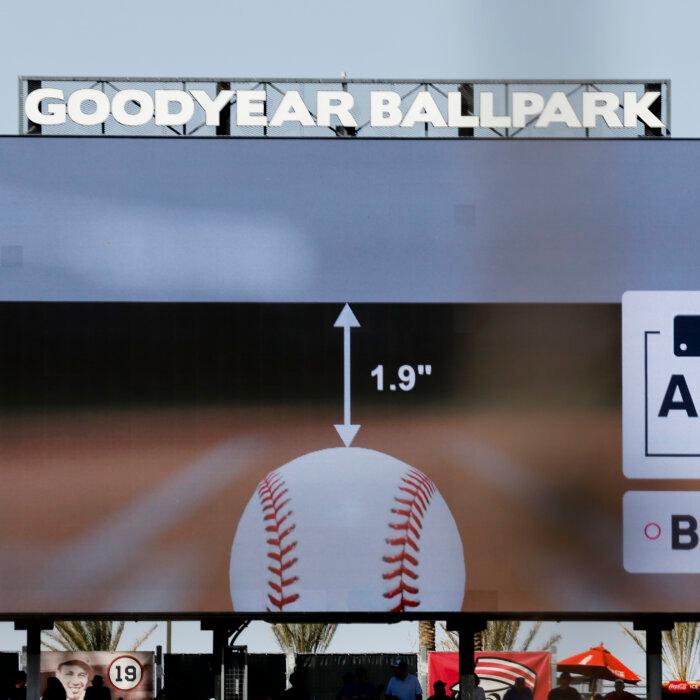
MLB’s introduction of the Automatic Ball-Strike (ABS) Challenge System, early on this season, appears to be popular with players.
After being implemented during the past two MLB spring training schedules, and years of experiment in the minor leagues, the ABS is up and running. So far, albeit in a limited run (first three weeks of the 2026 season), pitchers, catchers, and batters, the players who can tap their hat or helmet to inform the home plate umpire they wish to challenge his call, are taking full advantage of the game’s newest technology. According to the Front Office Sports edition of The Memo on Monday, 932 ABS challenges have been requested this season. 54 percent of the challenges have succeeded in getting a call overturned.
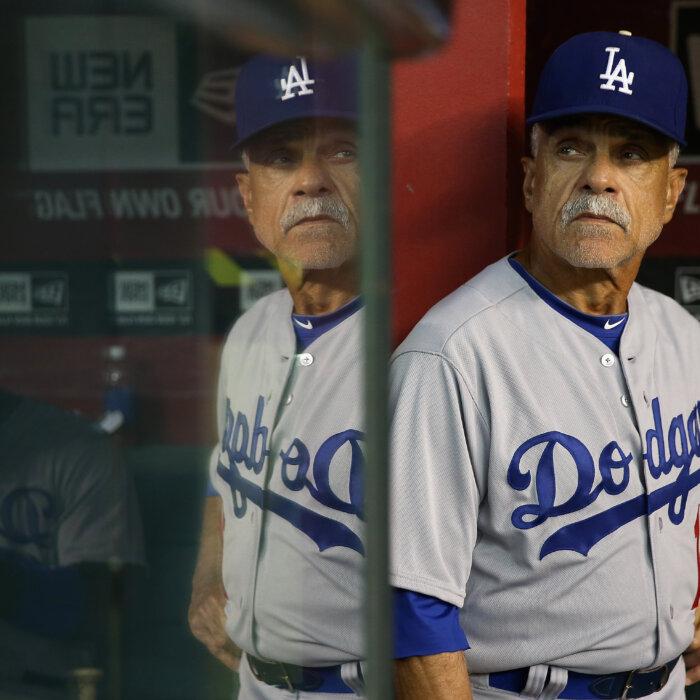
Retired MLB umpire Richie Garcia, a veteran of 25 seasons (1975–1999) on the field and later nine years serving as a league supervisor until 2009, offers some strong feelings on how he feels technology is affecting the home plate umpires.
“I watch at least one game a night, sometimes two,” Garcia told The Epoch Times on Sunday. “Umpires today are so much better than back in the day. These guys are so good. It’s really embarrassing what [MLB officials] are making the umpires go through. I could read their body language. Maybe in a few months it will go away.”
When a challenge is made, and an umpire requests his judgment call be reviewed before thousands of people, he becomes the focal point of the game, which can be intimidating. In a report by Ken Rosenthal in The Athletic on April 8, umpires speaking with anonymity suggest they’ve experienced some jitters in having their work judged in a public forum.
“Umpires say fans are judging them by a near-impossible standard, and fear the game under the ABS ultimately will suffer.”
As with most new processes in the workplace, an adjustment period is usually required to work out any kinks. Some umpires have adjusted to ABS more quickly than others—and with higher success rates.
Senior writer Tom Verducci at Si.com wrote on Monday about younger MLB umpires adapting more quickly. Erich Bacchus, 35, who is in his fourth season as a full-time umpire, called 466 pitches in his first three games working the plate. Just nine pitches were challenged, and only one was successfully overturned. Will Little, 42, is another umpire who is off to a robust start in adapting. In his three games working the plate, Little saw 501 pitches. On 10 challenges, just one call was overturned.
“People forget all the other things umpires have to line up in their mind. They worry about the pitch clock, the hitter having to be ready and looking at the pitcher with at least eight seconds left on the clock, they have to count how many times the pitcher throws to first base, and more,” Garcia explains. “I’ve seen three times this season the home plate umpire having lost the count. It’s not because they don’t know what they are doing but because they have too many things to do.”
Garcia is no stranger to making controversial calls, and being under the brightest of spotlights. At Yankee Stadium during Game 1 of the 1996 American League Championship Series between the New York Yankees and Baltimore Orioles, Yankees shortstop Derek Jeter hit a fly ball to right field. As the Orioles’ Tony Tarasco attempted to catch the ball, 12-year-old Jeffrey Maier reached over the stands, and with his glove attempted to catch the ball. He missed the catch but deflected the ball over the fence. Garcia immediately ruled a home run. Clearly, he missed the fan interference. The judgment call stood.
With the introduction of ABS this season, each team receives two challenges per game. Garcia is predicting that the number will eventually rise.
“Wait until the big games come; the playoffs and World Series, and teams run out of challenges,” Garcia said. “After that, even more challenges will be added to games.”