The biggest difference between the old fight-plagued NHL and the WNBA these days might be the fact that, in the old NHL, many fans came to the arena and anticipated players getting knocked down, if not knocked out.
When Chelsea Gray of the Las Vegas Aces on Thursday hit a buzzer-beating 3-pointer to tie the score at the end of regulation, then sank another 3 before the final horn to win it 86–84 over the Indiana Fever, it was the first time in league history that a player had pulled off such a clutch performance.
That should have been in the news cycle much longer. However, even this feat couldn’t keep the extracurricular activities to the back burner for very long.
The Chicago Sky’s DiJonai Carrington picked up a flagrant 2 foul and got the boot from Indiana’s 90–86 win on Saturday after she cracked the Fever’s Sophie Cunningham about the head and shoulders on a fast break.
The play was just the latest in an incident-filled 30th WNBA season. The league has recently been the stage for everything from a war of words to belligerence and all-around bad behavior.
“Clearly, I think it was like unnecessary,” Cunningham said after the hard foul in Saturday’s game that sent her to the floor. “I’ve never really spoken to her and have no beef with her, but I guess she has some pent-up stuff. … That’s fine. I can take it.”
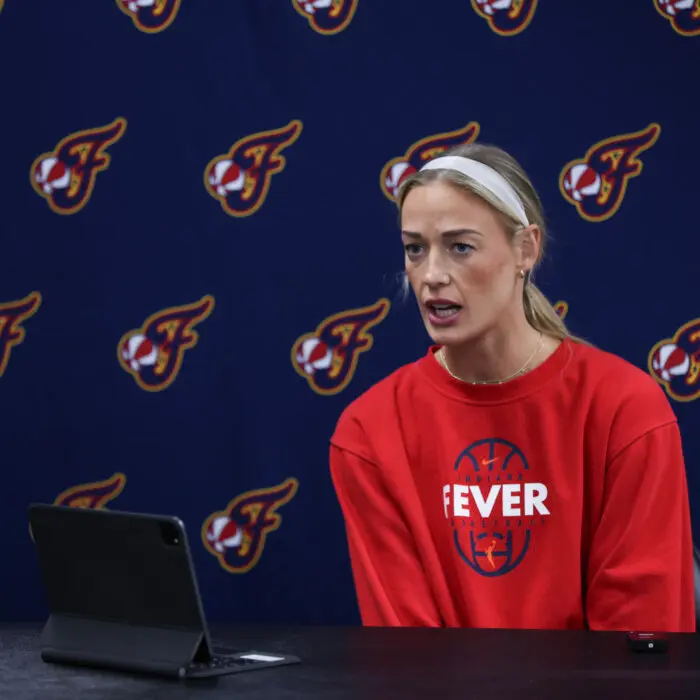
While skin color was brought up as a possible factor for the decision to give Carrington the thumb, Cunningham said that card isn’t in play, basically calling it an action-based ruling.
“This has nothing to do with race. Last year, I did the same thing and I got kicked out. And I deserved to be kicked out. There’s no reason even to play that card,” Cunningham said.
The league has had its share of issues in the past, but the past two months have been particularly tumultuous for the WNBA. Some of the lowlights include a hot mic that picked up Toronto Tempo coach Sandy Brondello, who is Australian, calling Atlanta Dream star Angel Reese a “protected species” during a July 17 game.
That phrase is said to be commonly used Down Under to refer to a player who receives preferential treatment from game officials. But her words sparked outrage and Reese spoke out about it. Brondello quickly apologized, but the league slapped her with a one-game suspension.
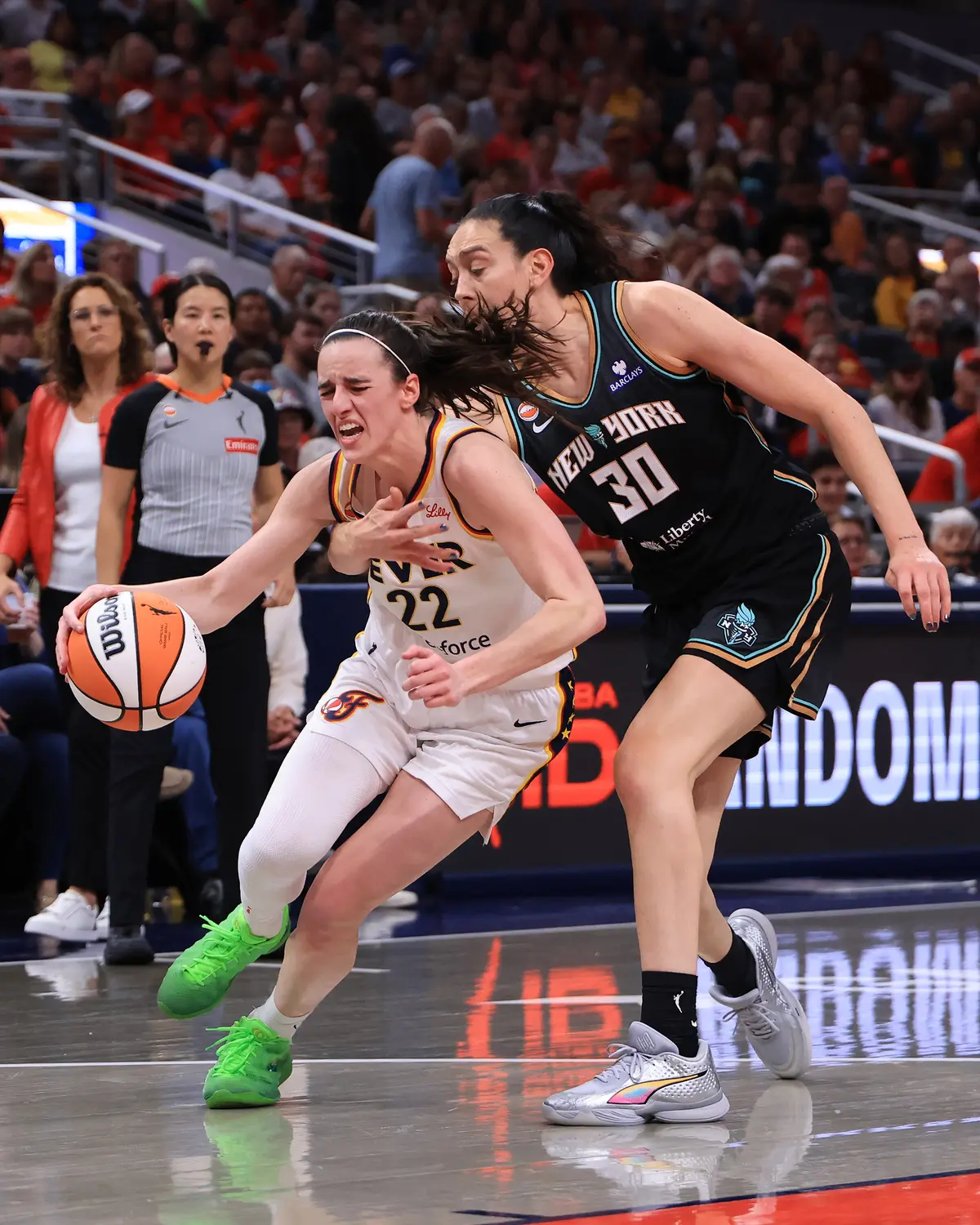
The WNBA back on June 24 reversed an on-court referee decision on a play involving Indiana Fever star Caitlin Clark and the Phoenix Mercury’s Alyssa Thomas.
Thomas made contact with her fist to Clark’s throat during a Fever–Mercury game. The play was deemed a non-basketball act and upgraded to a flagrant foul 2, resulting in a one-game suspension for Thomas after the Mercury’s 111–109 victory.
Meanwhile, the missteps haven’t been limited to players and coaches. The league took action to suspend Seattle Storm co-owner Celeste Keaton from attending five of her team’s home games amid reports that she berated a pair of young female fans during a game last month because they had shown support to the Fever’s Cunningham for her recent comments about transgender athletes.
All the bumps in the road have detracted from a league that was seemingly headed in the perfect direction three years ago when Clark was a rookie turning heads and dollars toward the WNBA as a huge draw.
The smooth road to success has more resembled an unending session of “Grand Theft Auto” that leaves destruction and debris in its wake because of the conflict.
The league, its brand, and women’s sports in general have the chance to create generational rivalries with some of the star players, especially Clark. And Indiana had the chance to become a forward-facing franchise in the league, but Clark and many other stars of the WNBA are starting to get lost in the nightly coverage of pointless battles that are leaving deep scars across the league.
Eleven lawmakers, led by U.S. Rep. August Pfluger of Texas, even took the step of sending a letter to WNBA commissioner Cathy Engelbert in July, demanding the league take “accountability” for what they characterized as physical “attacks” on Clark.
Engelbert wrote that the league’s “top priority is the health, safety, and well-being of every player in our league, including Caitlin Clark,” in a response to lawmakers on July 24. The group said Engelbert’s statement “fell short.”
No matter what side of the court fans are on, this may be turning into a wasted opportunity for everyone involved with the WNBA.
Instead of seeing a rivalry the likes of the LeBron James-Steph Curry saga, the WNBA is producing ESPN highlights of overly physical play, unnecessary contact, and after-the-whistle shoves.
Viewers might well be tuning into the highlights to check out the more combative moments—just like the hockey fights in the old days. But if lawmakers are trying to step in, ownership and leadership may need to get together and solve a problem that could cripple the league.