His persona crossed over from being a standout on the diamond to being an icon in everyday life, like a proud symbol of Japanese society. The “Ichiro” personality was much like the indelible image of the player himself, his right arm extended toward right field with the bat held high in the air during every at-bat—projecting an aura of concentration and confidence.
But if Ichiro turned the world on its head with his play, Shohei Ohtani is juggling planets.
The Los Angeles Dodgers superstar is shining so brightly at his peak that Ichiro has been lost in the shadows back in the Land of the Rising Sun.
Even after he retired, no one could imagine a player surpassing Ichiro in popularity or production. But by many accounts—with aspects such as jersey sales and endorsement deals difficult to measure across eras—Ohtani has piled up enough accomplishments to bury Ichiro in another sea of records, thanks in part to a boost from social media and the story-hungry press.
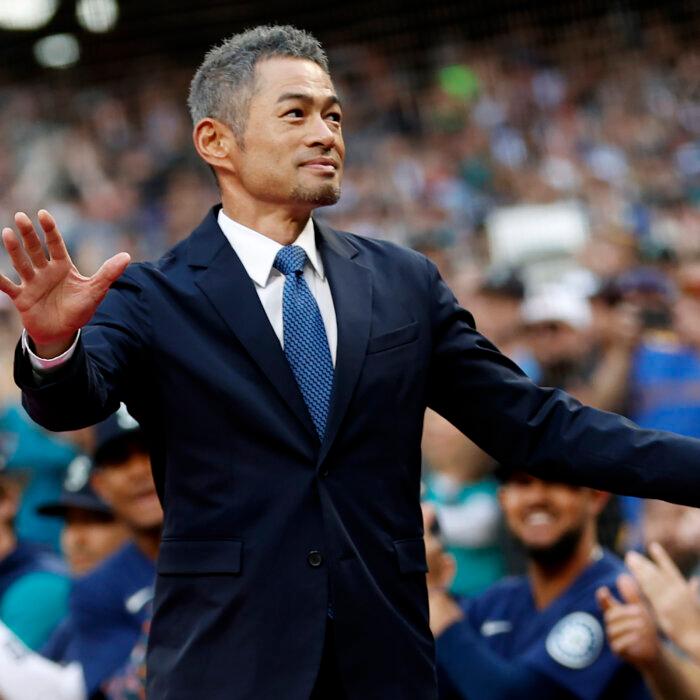
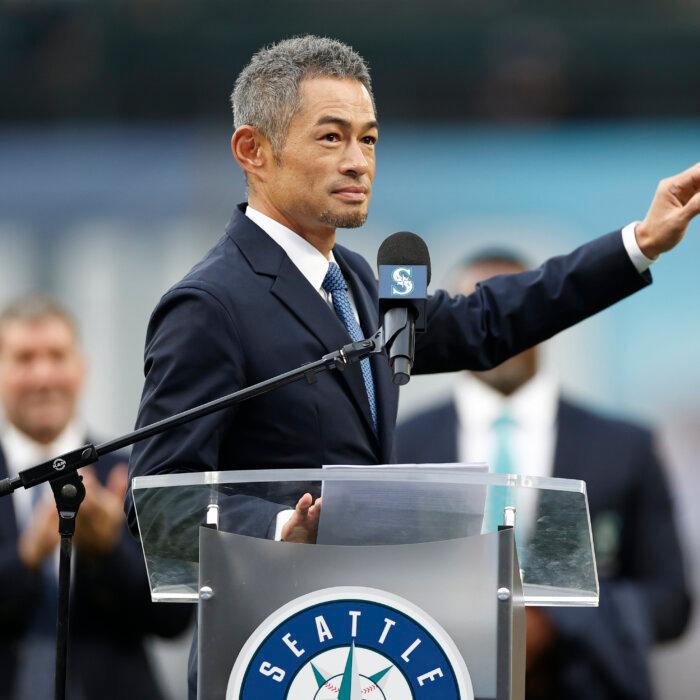
And while anything No. 51 for the Seattle Mariners did was always big news in Japan, Ohtani’s exploits block out pretty much all things Ichiro these days.
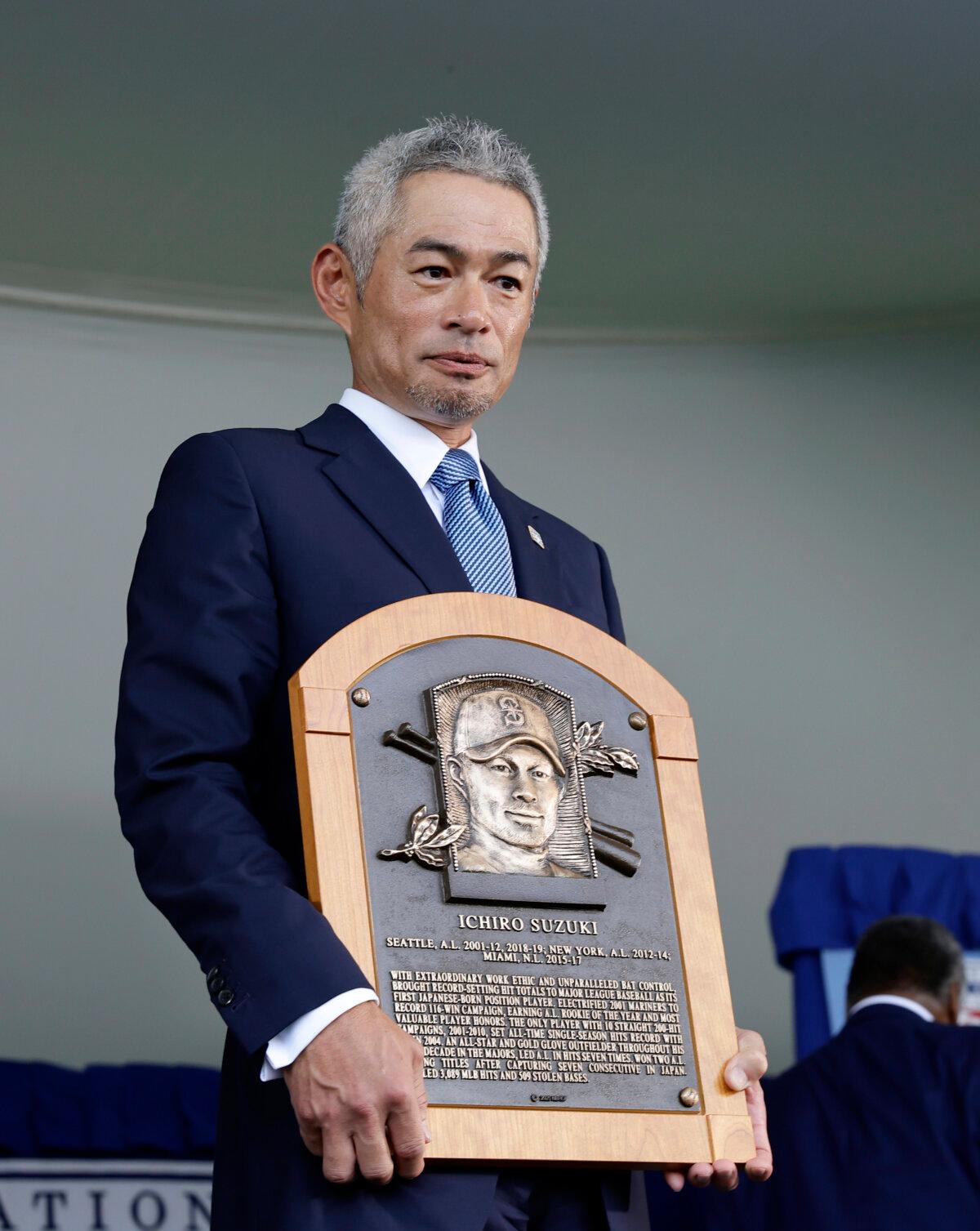
“Indeed, Ichiro is a legend. However, Ohtani has surpassed him in his on-field accomplishments, in my opinion,” longtime sportswriter and desk editor Junko Nagai of The Yomiuri Shimbun said from Tokyo in an email to The Epoch Times.
“I mean, looking at Ohtani and his two-way role, he is just like an Anime hero. He even had enough impact to force the big leagues to change a rule because of him.
“You go to the convenience stores [in Japan] and the rice balls have Ohtani’s picture on them. When you think about that, I think his reach is beyond the realm of baseball superstardom,” Nagai wrote.
The passing of the torch required a player of Ohtani’s remarkable talent, someone who can win games on the mound or by blasting long balls and swiping bases. And he has a World Series championship, to boot.
“For the past three decades, no athlete’s face was as ubiquitous in Japan as Ichiro Suzuki’s. Even in his retirement, his brand has remained strong. But his sun has now been largely overshadowed by the phenomenon of Ohtani,” said Jim Allen, a baseball writer in Tokyo for about 30 years and cohost of the “Japan Baseball Weekly” podcast, which ended in November after 14 years.
Part of the showmanship of Ohtani is his comfort in the spotlight, being charming and gregarious as well as accessible—when his hectic schedule permits. Ichiro, though, was often aloof with the media, tending to shy away from comment-seekers.
“Ichiro the human being projects an image of extreme cool. And though he sometimes lets his humanity slip and display infectious warmth, his brand is that of a traditional Japanese craftsman, steeped in ‘kodawari,’ [or basically] the obsession for meticulous attention to detail and perfection, that brooks no nonsense when it comes to his craft.

“For decades, that brand was unmatched in Japan, even as Ohtani fashioned a new kind of baseball stardom here in his five years as a dual-role athlete, a fearsome pitcher and hitter in Japan’s Pacific League for the Hokkaido Nippon Ham Fighters.
“The glimpses of joy the often-prickly Ichiro lets slip out in unguarded moments are a constant with Ohtani, who combines Japan’s admiration for obsessive attention to detail with the human need for self-expression and joy that Japanese social pressures tend to suppress, making him incredibly lovable,” Allen said.
Ohtani’s stunning and unprecedented 50-homer, 50-steal season last year completely snatched the focus from the likes of the “Ichiro-Meter” and the Ichi-rolls of sushi to just “Sho-time.”
The graceful Ichiro, who didn’t really speak much English in public until his compelling speech at the induction ceremony over the weekend, garnered respect on the field because of his all-around game. Ohtani demands respect by pounding pitches into the seats and then pounding the zone with his high-90s heater.
A flat comparison of the two is almost impossible amid the evolution of social media. While Ohtani’s smiling face makes up many memes and viral YouTube videos, this technology was fledgling, at best, when Ichiro was at the top of his game.
Apps and other platforms have also helped pave the way for Ohtani, who has shown polished public relations skills off the field to go with a spectacular show that is far from over.