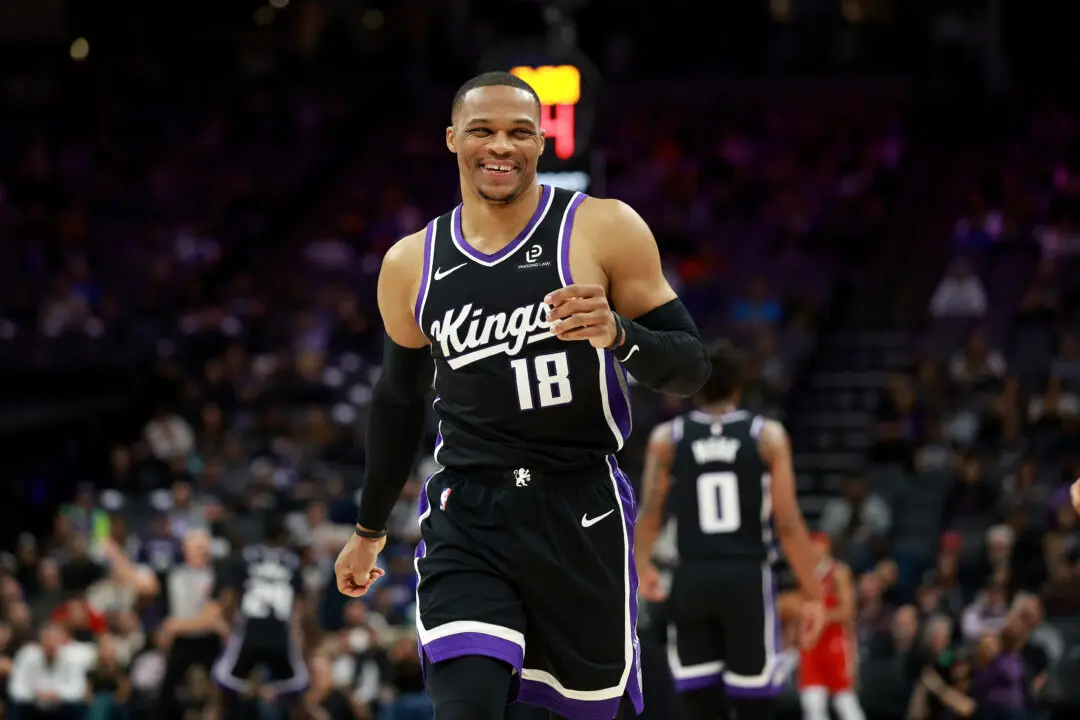
There is a common scene in NBA games, seemingly, for decades. It’s when there are one or two seconds left in a quarter—usually the first, second, or third—and a player gets a defensive rebound or is inbounded the ball. He then dribbles the ball, and instead of launching a 70-foot shot with the small chance of scoring his team three points, he simply continues to dribble and lets the clock expire.
Another variant is the same situation as above, but he’ll knowingly let the clock expire, and then launch a full-court heave, knowing that a likely miss won’t be reflected on his shooting record. These scenes have become commonplace in the NBA during the last minute of a close game.
The NBA is now attempting to incentivize players to launch these full-court shots, without damaging their shooting percentages, as the league will implement a new “heave rule” for the 2025-26 NBA season.
The rule will go into effect with any shot attempt that a player takes within the last three seconds of the first, second, or third quarter. The requirement is that the shot has to be at least 36 feet from the basket, and the play must originate in the backcourt—which means a player grabbing an offensive rebound and then launching a 40-foot shot wouldn’t qualify as a heave attempt.
When a shot falls under what’s classified as a heave, it will be reflected in the team’s shooting stats, not the individual player’s. Thus, if the player makes one of these shots, then he will be awarded the three points within his own stats, but if he misses the heave, he won’t be charged with a field goal attempt, but his team will be charged.
The new rule was tested out at the NBA Summer League and was then finalized at the league’s Board of Governors meeting on Wednesday. The change should undoubtedly lead to a surge in end-of-quarter shots without repercussions, as players, deservedly, are always cognizant of their field goal and three-point percentages, as those are often cited by teams during contract negotiations.
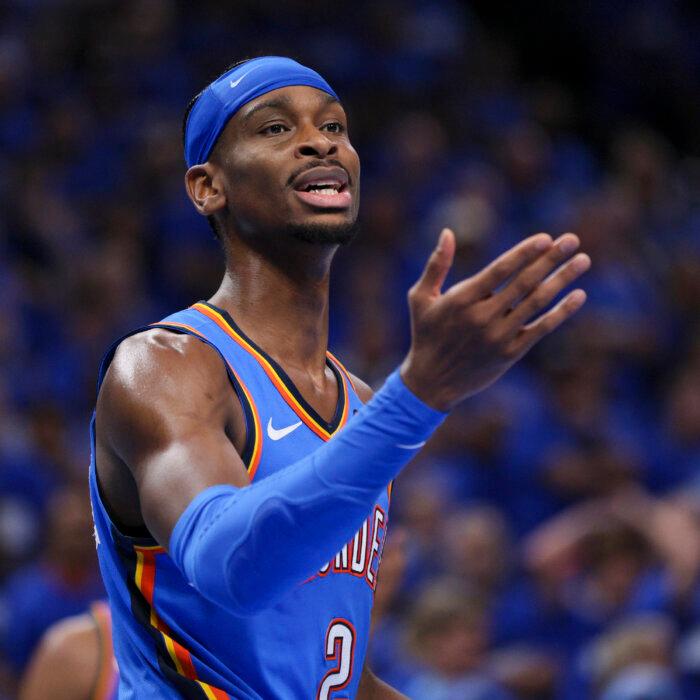
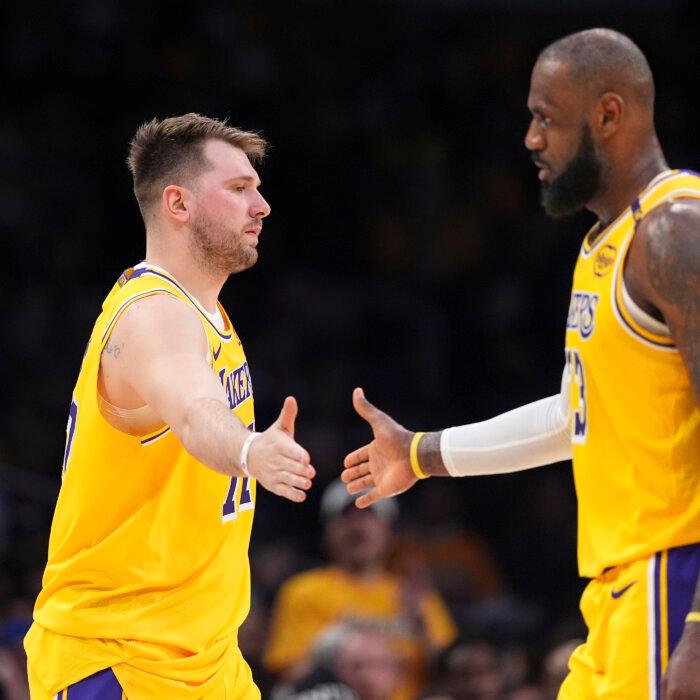
Some players, such as Nikola Jokic, never worried about their shooting percentages anyway, as they never hesitated about taking these shots. Last season, Jokic had 30 heave attempts beyond half court and made two of them. His three-point percentage on the season was 41.7 percent, which was still very good.
However, under this new rule, Jokic would have gone 2-for-2 on heaves, and his 20 misses would have been attributed to Denver’s shooting. With that change, Jokic’s three-point percentage would have increased.
The half-court or full-length end-of-quarter shot is one of the most exciting in basketball but has diminished in recent years. This change will have fans wanting to watch these end-of-quarter possessions as opposed to knowing that there’s a strong likelihood a shot attempt won’t even be made. This rule change is somewhat akin to MLB recently implementing new baserunning rules that have clearly brought more excitement to that sport.
This won’t be the first NBA rule in which players received a mulligan for their shot attempts. Until the 1981-82 NBA season, the league had a “three to make two” rule in regard to free throw attempts. A player would have up to three foul shot attempts in order to make two of them if he was fouled and missed the field goal attempt in the process. If he made the field goal and was fouled—an “And 1” situation—then he had “two to make one” where he would get two foul shot attempts to score one point.
That rule had been in effect since 1954 and was eliminated to improve the pace of the game. This heave rule shouldn’t affect pace, but it should add a little extra excitement to the game.
It’s important to note that the new heave rule will not be in effect for the fourth quarter or overtime. Thus, even if a team is trailing by 20 points with two seconds left, and a player heaves the ball from the opposite free throw line, that attempt will still go on his individual shooting percentages. However, in this type of situation, it is usually end-of-the-bench players that are on the court at the time, so they likely wouldn’t pass up any shot attempts, with little regard to their three-point shooting percentage.