The American Basketball Association produced such an exciting basketball brand for nine seasons, ending in 1976, that its legacy continues in today’s NBA nearly half a century later.
With the National Basketball Association tipping off its 80th season Tuesday with two games, future Naismith Hall of Famer Stephen Curry and his Golden State Warriors’ teammates will be in Los Angeles taking on the Lakers. Included in Curry’s all-star resume is being the first NBA player to make 4,000 career three-pointers. He attempted more than 9,500 shots during his 16 seasons with the Warriors from the arc, some 23 feet, 9 inches from the basket.
Three-point shots have been in vogue in the NBA for as long as most fans and players could remember. During the 2024–2025 NBA season, there were more than 100,000 attempted three-point shots.
However, when tracing the origin of not only the three-point shot, but other aspects of today’s NBA game, a thank you is due to those who filled out ABA team rosters for nine seasons. The flashy passing, slam-dunking, three-point shooting players for teams tagged Amigos, Oaks, Mavericks, and Conquistadors in the early years of the ABA, to those performing on the level of the NBA’s best during the last season (1975–1976) prior to the merger gave professional basketball fans plenty to absorb.
At the ABA’s final All-Star Game held in 1976, in Denver, officials introduced the Slam Dunk competition. Dr. J, New York Nets’ all-world forward Julius Erving, captured first place. At the start of the 1976–1977 season, when the NBA welcomed four of the final seven ABA teams still operational—New York, Indiana, San Antonio, and Denver, it would be in 1984 that the Slam Dunk Contest would become a permanent fixture at the NBA’s annual All-Star Weekend festivities.
In the 1970s, when the NBA was averaging 8,000-plus fans in arenas, the upstart ABA was charting 5,500 patrons in their cities. Among the 18-team league, the NBA in 1975–1976 had teams called Braves, Bullets, Kings, and SuperSonics. The Boston Celtics were champions, and Los Angeles’ Kareem Abdul-Jabbar was NBA MVP.
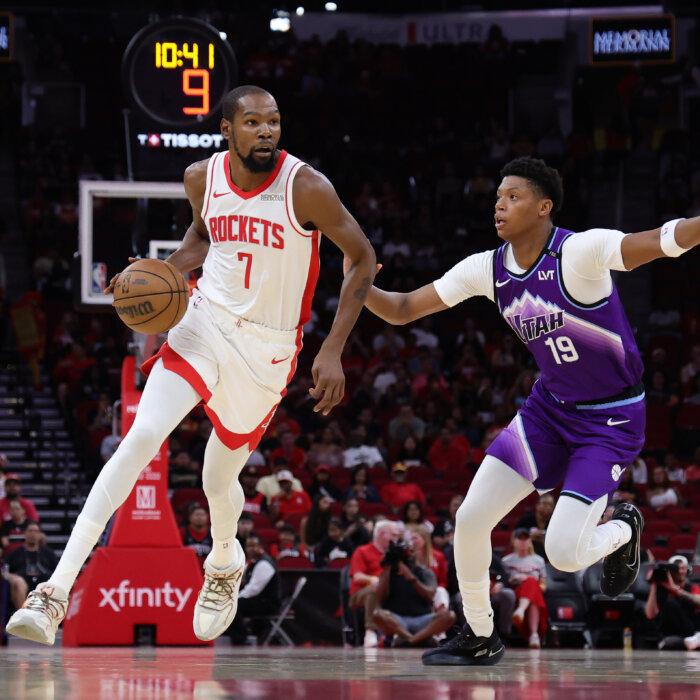
As preparations were being made to merge ABA teams into the NBA, by the spring of 1976, a major hiccup occurred. When the ABA season began in October 1975, there were nine teams. Soon there would be seven. Due to financial pressures, the San Diego Sails folded after a 3–8 record. The Utah Stars, after missing payroll, closed up shop after going 4–12.
When it was determined which ABA franchises financially had the ability to join the NBA’s 31st season, there were a number of stipulations that needed to be met. The major one was that the four teams would not be eligible to receive a cut of the NBA’s national TV contract with CBS for three seasons. However, of the three ABA teams not admitted to the NBA, the Kentucky Colonels, Virginia Squires, and Spirits of St. Louis, one perhaps pulled off the biggest, most impressive deal in the history of professional sports.
The owners of the Spirits of St. Louis franchise, the Silna brothers, would receive TV money, thanks to a deal they made during the merger talks. In relinquishing their team, in return Ozzie and Daniel Silna would receive portions of TV monies from the four teams that did enter the NBA from the ABA—for in perpetuity. In 2014, when this deal was bought out, the deal had registered $500 million.
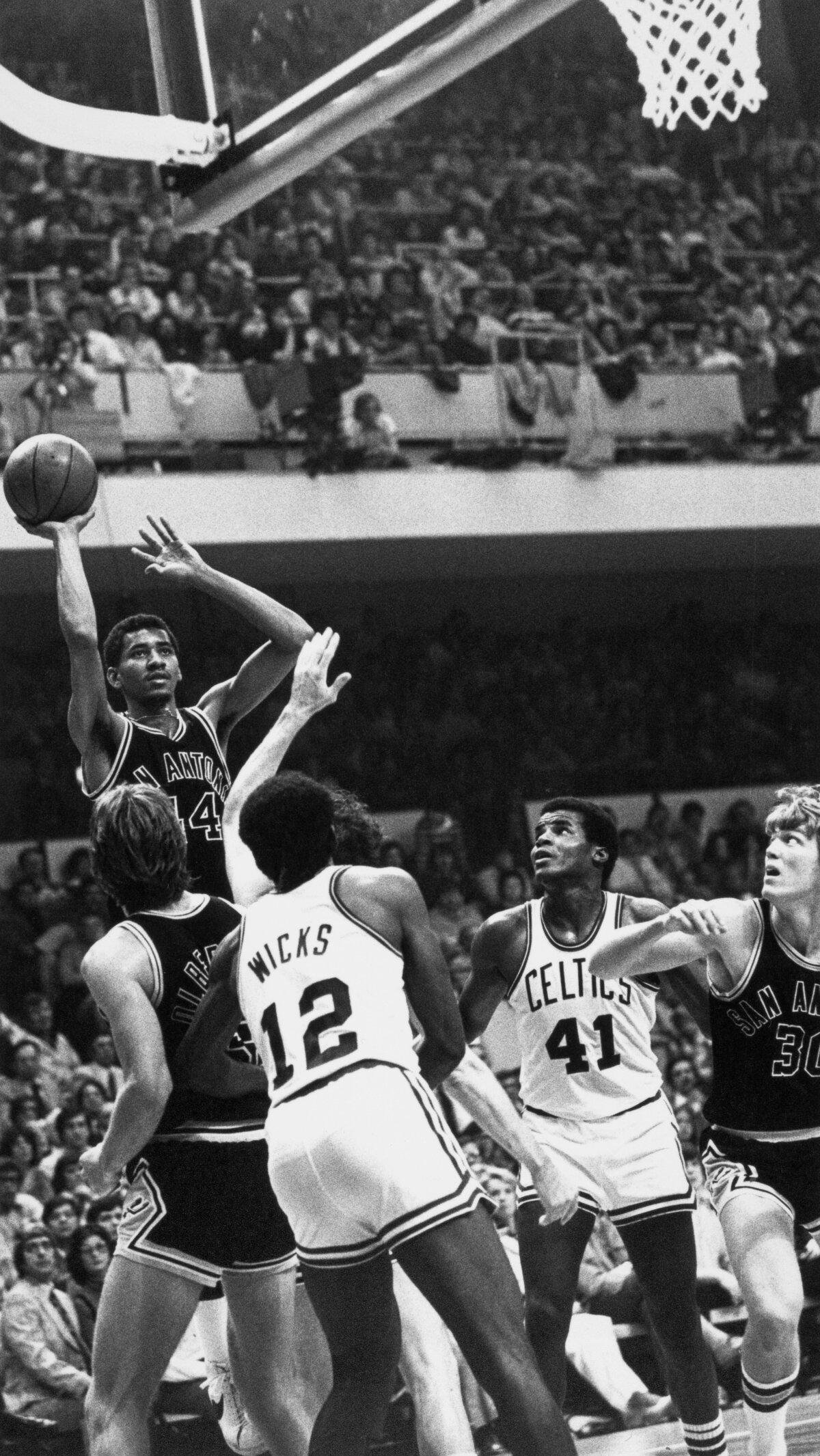
Many of the biggest stars of the ABA who did see service time in the NBA went on to enjoy lengthy careers. Along with Dr. J, all-stars as Rick Barry, Artis Gilmore, George Gervin, Dan Issel, and Spencer Haywood captivated basketball fans with their run-and-gun offense-minded game.
Even NBA referees were subjected to the incredible salaries being waved by ABA owners to cross over into their league. Earl Strom, who would go onto officiating in 29 NBA seasons, jumped ship, and for three seasons wore ABA colors. Strom was elected to the Naismith Basketball Hall of Fame in 1995.
Billy Paultz, 77, a 6-foot, 11-inch tall center who played the first six of his 15 professional seasons in the ABA, remembers when he first learned of the planned merger.
“I was just relieved that I was on one of the teams [San Antonio Spurs] that was going into the NBA,” Paultz told The Epoch Times on Tuesday during a phone conversation from his home in Southeast Texas. “Playing in the NBA opened doors for us [ABA players] to improve our game.”
Paultz remembers the Spurs’ team of 1976–1977 as being “very good,” with a roster that included George “Ice Man” Gervin, Larry “Dr. K” Kenon, and James Silas. Spending his first five seasons with the New York Nets, including the 1973–1974 ABA championship team led by Erving, Paultz points to the Spurs’ first game in the NBA against the Philadelphia 76ers as perhaps one of the most important games he’s participated in.
“We [San Antonio] won the game,” says Paultz, who played at St. John’s University prior to being drafted by the San Diego Rockets. “Our win proved that we could play with the best. [The 76ers] had Dr. J, Darryl Dawkins, and Doug Collins.”
Decades after the NBA-ABA merger, and retired from basketball after playing with the Utah Jazz in 1985, Paultz continues to receive upwards of a dozen pieces of fan mail weekly. Most of the requests are to sign cards, and they accompany letters telling of how much the fans loved the ABA.
So when the NBA starts grabbing headlines this week for another season, it’s important to know that there’s a little bit of ABA basketball still being felt in how the game is played today.