MLB All-Star Game voting, and the selection process for who will represent their club and league in Philadelphia next month, is much appreciated by players and fans alike.
Phase 1 of voting for baseball fans hoping to get their favorite players elected to MLB’s annual All-Star Game comes to an end on Thursday. FOX Sports.com is reporting as of June 17 that, at last count, Los Angeles Dodgers Shohei Otani is the leading vote-getter heading into this week’s conclusion of Phase 1. Ohtani, the National League pitcher and designated hitter, has secured 1,165,133 votes. In the American League, Houston Astros’ Yordan Alvarez led in balloting with 1,015,768. Ohtani leads Alvarez by nearly 150,000 votes as the top overall vote collector.
Come June 25, at noon ET, the top two players in voting earn automatic starts for their leagues in the 96th edition of the MLB All-Star Game. Results will be revealed on Thursday at 6 p.m. EDT on the MLB Network.
Voting for baseball’s Midsummer Classic is done online only. Fans can vote at MLB.com/Vote, the MLB app, and the MLB Ballpark app, as well as each individual team’s website. During Phase 1, fans could vote up to five times per 24-hour period. During Phase 2—June 29 through July 2—fans can vote only once per 24-hour period. Results of each position’s winner will be announced on July 4 on FOX. Throughout the voting process, baseball fans will be casting their votes for the eight starting positions and designated hitter.
The joy many fans experienced for more than 40 continuous years of exercising the option of punching a chad on a paper ballot at major and minor league ballparks was discontinued after the 2014 MLB season. In the past, ballot boxes were placed throughout the ballparks for fans to deposit their cards, which would be picked up by team employees.
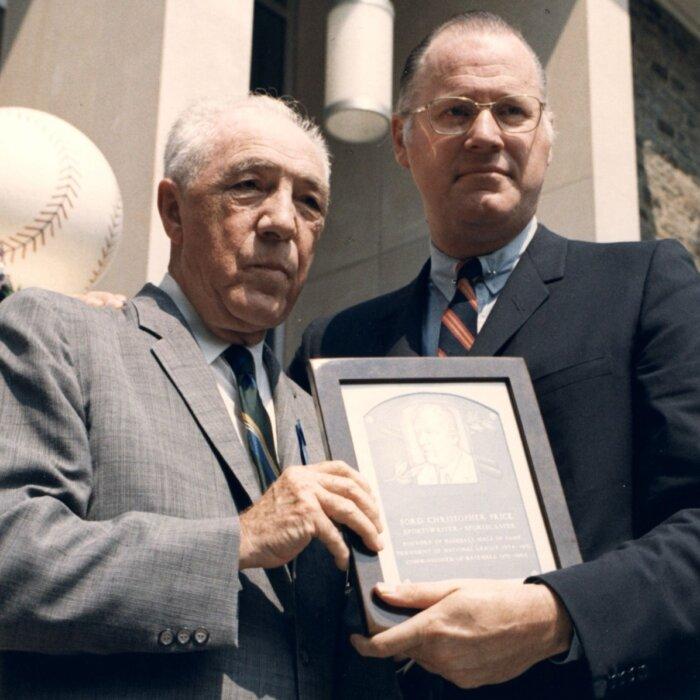
MLB first gave their fans the opportunity to vote for the All-Star Game in the 1930s. The first two All-Star Games (1933 and 1934) had ballots printed in 55 newspapers throughout America. Fans clipped out the ballots and sent them to the Chicago Tribune. After that process was halted, fans got their vote back from 1947–1957. Then, the process was again taken out of the hands of baseball fans. It was not reinstated until the 1970 All-Star Game in Cincinnati. From 1970–2014, fans were able to vote using paper ballots at ballparks.

As much as fans are encouraged to be participants in selecting the teams, the players are just as excited and honored to represent the National or American Leagues.
“What a great experience and wonderful memories I have from my time at the 2010 All-Star Game in Anaheim,” former Washington Nationals pitcher Matt Capps told The Epoch Times on Saturday.
“I found out about a week before the break. [General Manager] Mike Rizzo and [Manager] Jim Riggleman called me into an office, and told me that I would be representing the Nationals in the game. I remember being flooded with emotions. I lost my father the off-season before the 2010 season and all I could think about was how excited he would have been to hear that news.”
The physical drop boxes for paper ballots were discontinued after the 2014 All-Star Game at Cincinnati’s Great American Ballpark. The reason, according to a March 9, 2015, MLB memo obtained by Bloomberg Sports at that time, was a declining use of the paper cards. The memo by then MLB president for business and media Bob Bowman, said “we, therefore, have made the decision to go green, while also saving the cost of managing an offline program.” Bowman’s decision to ditch the ballot box tradition came as a result of fans voting for the 2014 All-Star Game 80 percent online. The memo also stated that 16 million paper ballots went unused.
Relief pitcher Kent Tekulve was selected as a reserve for the National League squad for the 1980 All-Star Game held at Dodger Stadium. It was his only All-Star call of his 16-year MLB career. Although he didn’t get to pitch in the game, just the honor of being part of the team remains one of Tekulve’s career highlights.
“Since the pitchers were never on the ballot, I never really paid attention to it anyway,” Tekulve said to The Epoch Times via email. “I didn’t get into the game. Bruce Sutter closed the game out. [Pittsburgh Pirates manager] Chuck [Tanner] was our manager because we won the World Series the year before. He didn’t use me in the game because I was ill prior to the All-Star break, but he still wanted me to go as a reward for what I had done for him the year before.”
Both the National and American League All-Star Game rosters are capped at 32 players. At least one representative from each of the 30 MLB clubs is mandatory. There are 20 position players and 12 pitchers assigned to each roster.
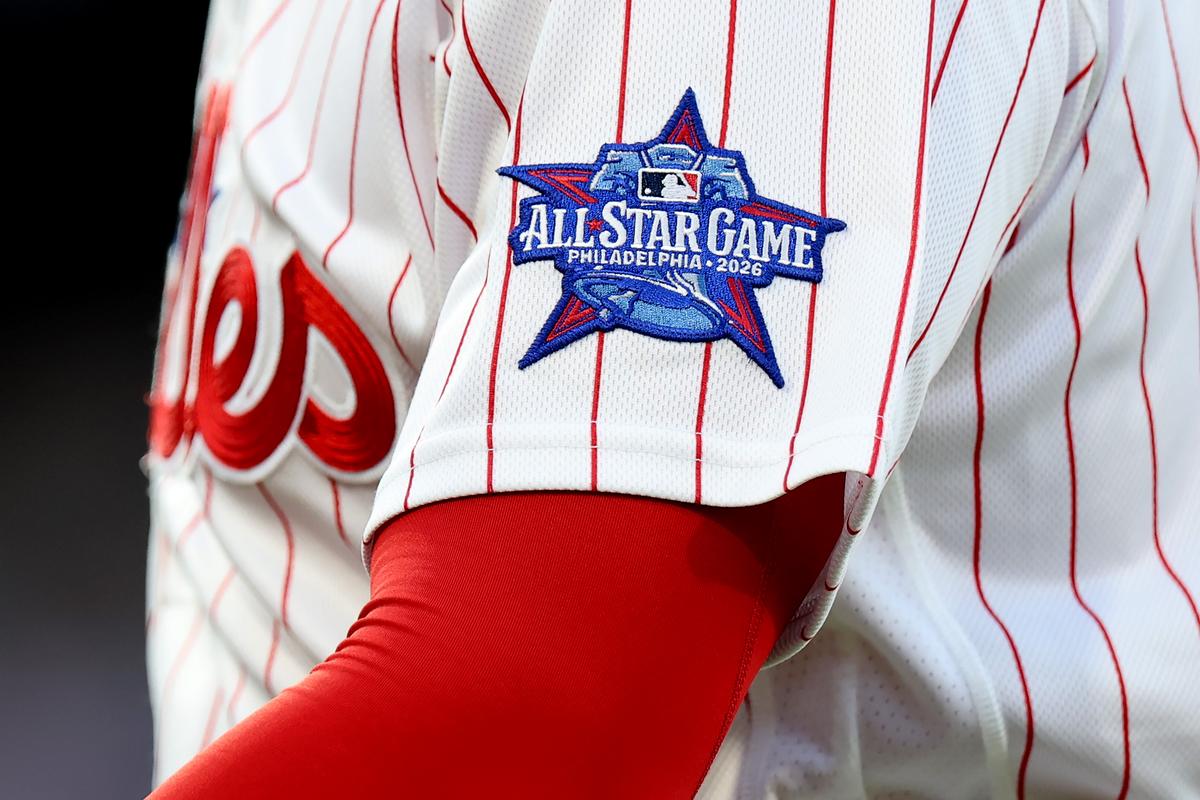
On July 13, 1976, as part of America’s Bicentennial, the Philadelphia Phillies hosted MLB’s 47th All-Star Game. Now, with America celebrating a semiquincentennial anniversary, the All-Star Game will return to the City of Brotherly Love.