There are some NFL teams who haven’t experienced a traditional home field advantage.
A cheering hometown crowd can do wonders to motivate a team, particularly at critical moments. In 2024, the 32 NFL teams drew a combined total attendance of more than 18.7 million people, or nearly 70,000 per game. Team owners concluded long ago that in addition to the game, entertainment before, during, and at halftime is critical to assuring fans a pleasant experience and making them repeat customers.
In the American Football Conference, the oldest home field is the Kansas City Chiefs’ Arrowhead Stadium, which opened in the 1972 season, shortly after their first Super Bowl victory in 1970. In the National Football Conference, the oldest stadium is the Chicago Bears’ Soldier Field, which opened in 1924, followed by Lambeau Field in Green Bay, Wisconsin, home to the Packers since September 1957.
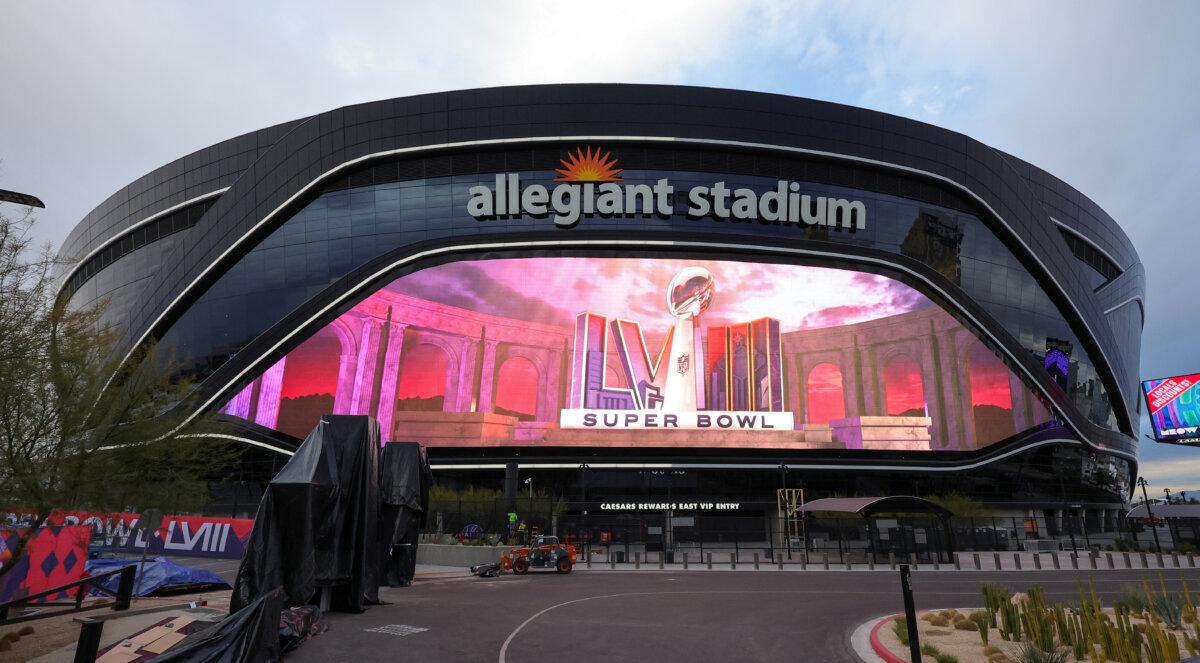
The two newest NFL stadiums opened for business in 2020. SoFi Stadium in Inglewood, Calif., is shared by the Los Angeles Rams and Los Angeles Chargers. The Las Vegas Raiders moved from Oakland, California, after the 2019 season and settled in Paradise, Nevada, where Allegiant Stadium became their permanent residence.
And there are more new stadiums in the pipeline.
In 2026, the Buffalo Bills are scheduled to shift operations to a new Highmark Stadium in Orchard Park, New York, Seating capacity in their new home will be 62,000, with a playing surface of natural grass. In two seasons, the Tennessee Titans are expected to christen their new 60,000-seat field—Nissan Stadium on Shelby Avenue in Nashville. Looking out even further, in 2029, the Cleveland Browns plan to have a new home constructed in Brook Park, Ohio. The new Huntington Bank Field will have a seating capacity of 67,500. The Washington Commanders are looking further ahead, to the 2030 season, in hopes of opening a 65,000-seat stadium in Washington, D.C.
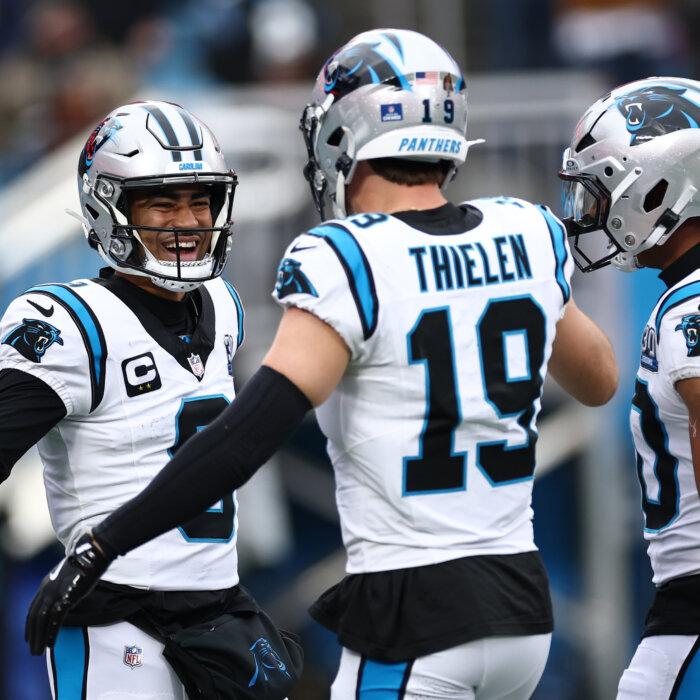

The Rams-Chargers arrangement isn’t unique. The New York Jets and New York Giants have an “NFL marriage” that has thrived for 15 seasons. When MetLife Stadium opened in 2010, located in East Rutherford, New Jersey (approximately 10 miles west of New York City), the teams had already enjoyed a coexistence at Giants Stadium for 26 NFL seasons.
But some NFL games are scheduled where there is no “home team.” In the 2025 season, seven games will be played outside the United States. The Chiefs and Chargers in Week 1 (Sept. 5) will be opening their season in Sao Paulo, Brazil. On Sept. 28 in Dublin, Ireland, the Pittsburgh Steelers and Minnesota Vikings will face off. In October, three games will be played in London: The Cleveland Browns and Vikings on Oct. 5, the New York Jets and Denver Broncos on Oct. 12, and on Oct. 19 at Wembley Stadium, it’s the Los Angeles Rams and Jacksonville Jaguars banging helmets. November brings two “neutral site” games. On Nov. 9 in Berlin, the Atlanta Falcons and Indianapolis Colts meet. Finally, the NFL is taking its product to Madrid on Nov. 16, as the Washington Commanders battle the Miami Dolphins.
Long before the NFL went global, the New York Giants called two stadiums home for the 1973 and 1974 seasons: Yankee Stadium in the Bronx and the Yale Bowl in Connecticut. New locations can be taxing on players attempting to familiarize themselves with the field conditions.
“They were the last two seasons in my career,” Giants kicker Pete Gogolak told The Epoch Times. “It wasn’t a happy experience for me and the Giants playing in New Haven. They seemed to never cut the grass. The grass was always high. You felt like you were part of a gypsy team. But playing at Yale Bowl was something the team had to do.”
Gogolak, 83, the first soccer-style kicker in professional football, is the Giants all-time scoring leader. He said playing home games in Connecticut was something he would “just rather not give much thought to.”
“I didn’t do well there. It was tough kicking at Yale Bowl. The team was bused from New York to Connecticut on Sundays. It was a huge place but an old stadium. We (Giants) dressed for the game about 100 yards from the field. It was kind of crazy at times. After a bad game for us, while on our bus going back to New York, the fans would start rocking it from side to side where it was parked. It never felt like a home game at Yale Bowl. Those weren’t the best of days for the Giants.”
In 1973, after playing their first two home games at Yankee Stadium, the next five “home” games were in Connecticut because Yankee Stadium began a remodeling program that precluded any games until the spring of 1976. By then, the Giants had bolted for New Jersey.