Players must have been retired for five seasons in order to be eligible for the Hall of Fame, meaning that those who last played in the 2020 NFL season are the ones who qualify for first-time nomination. The other first-year nominees include quarterbacks Philip Rivers and Alex Smith, running back LeSean McCoy, tight end Greg Olsen, offensive linemen David DeCastro and Maurkice Pouncey, defensive linemen Geno Atkins and Jurrell Casey, and linebacker Thomas Davis.
These 13 aren’t the only ones who will go through the voting process and potentially be inducted in 2026, as there are, literally, hundreds of holdovers from last year. In all, there are 128 modern-era players who are on the Hall of Fame ballot, with several notable names who didn’t make the cut last year carrying over to this year.
Among them are Eli Manning, Reggie Wayne, Terrell Suggs, and Darren Woodson. The Hall of Fame voting committee—which consists of 50 media members, including at least one from every NFL city—will then screen the candidates between now and the announcement of those being inducted just prior to the Super Bowl in February.
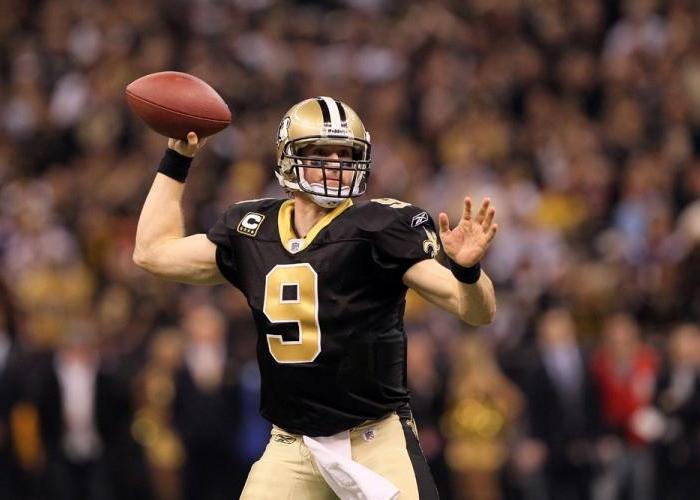
There are no guarantees in sports, or in Hall of Fame voting, but Brees and Fitzgerald seem to be as close to locks for the Class of 2026 as there could be. The quarterback’s 80,358 passing yards were the most in NFL history at the time of his retirement and still rank second all-time, only to Tom Brady. Brees also ranks second in NFL history with 571 passing touchdowns and was a 13-time Pro Bowler. Seven times he led the league in passing yards, and he helped bring the only Super Bowl title to the New Orleans Saints at Super Bowl XLIV, winning the game’s MVP in the process.
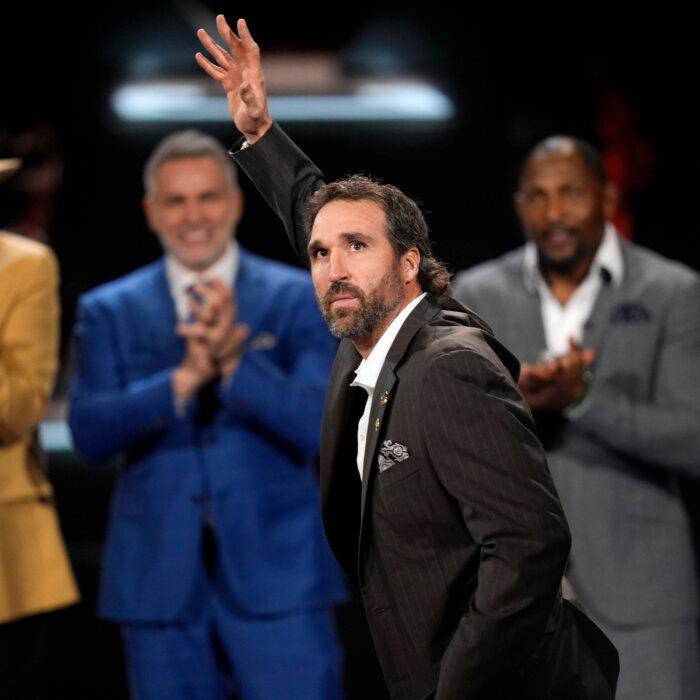
Gore and Witten would, presumably, be next in line as first-year nominees but are far from locks. Gore ranks third in NFL history in rushing yards, finishing his career with exactly 16,000 yards. His durability for that position was unparalleled, as no running back in history played more games than his 241, and his dozen seasons with 1,200 scrimmage yards are also the most all-time.
However, Gore never made an All-Pro First-Team during his career, while similar running backs had to wait a while for the call from the hall. Curtis Martin and Jerome Bettis ranked fourth and fifth, respectively, in rushing yards at the time of their retirements, and while both became Hall of Famers, neither went in on the first ballot.
Meanwhile, Witten ranks second all-time among tight ends with 1,228 receptions, and fourth overall, regardless of position. An 11-time Pro Bowler, Witten also holds the single-game record for receptions by a tight end (18) and was an ironman, starting a positional record of 243 straight games. Yet, he never led the NFL in any statistical category during his career, and another highly prolific tight end from the same era in Antonio Gates didn’t get in on the first ballot before making it in on the second just this past year.
The next step is to cut this list of 128 to a group of 50, which occurs in mid-October, and then that’s reduced to 25 semi-finalists, which will be announced later in the fall. Then, it will further be reduced to 15 finalists before the newest Hall of Famers are announced at the annual NFL Honors Show.
The Pro Football Hall of Fame Class of 2026 will consist of between three and five modern-era players. Additionally, there are senior finalists—who played prior to the 2000 season—as well as coach and contributor finalists that all operate separately from the modern-era selection process.
The most recent Hall of Fame class saw three modern-era players get enshrined in tight end Antonio Gates, defensive end Jared Allen, and cornerback Eric Allen. Additionally, receiver Sterling Sharpe was a senior inductee, while there were no coaches or contributors enshrined. The four-member class tied for the smallest Hall of Fame class in 20 years.