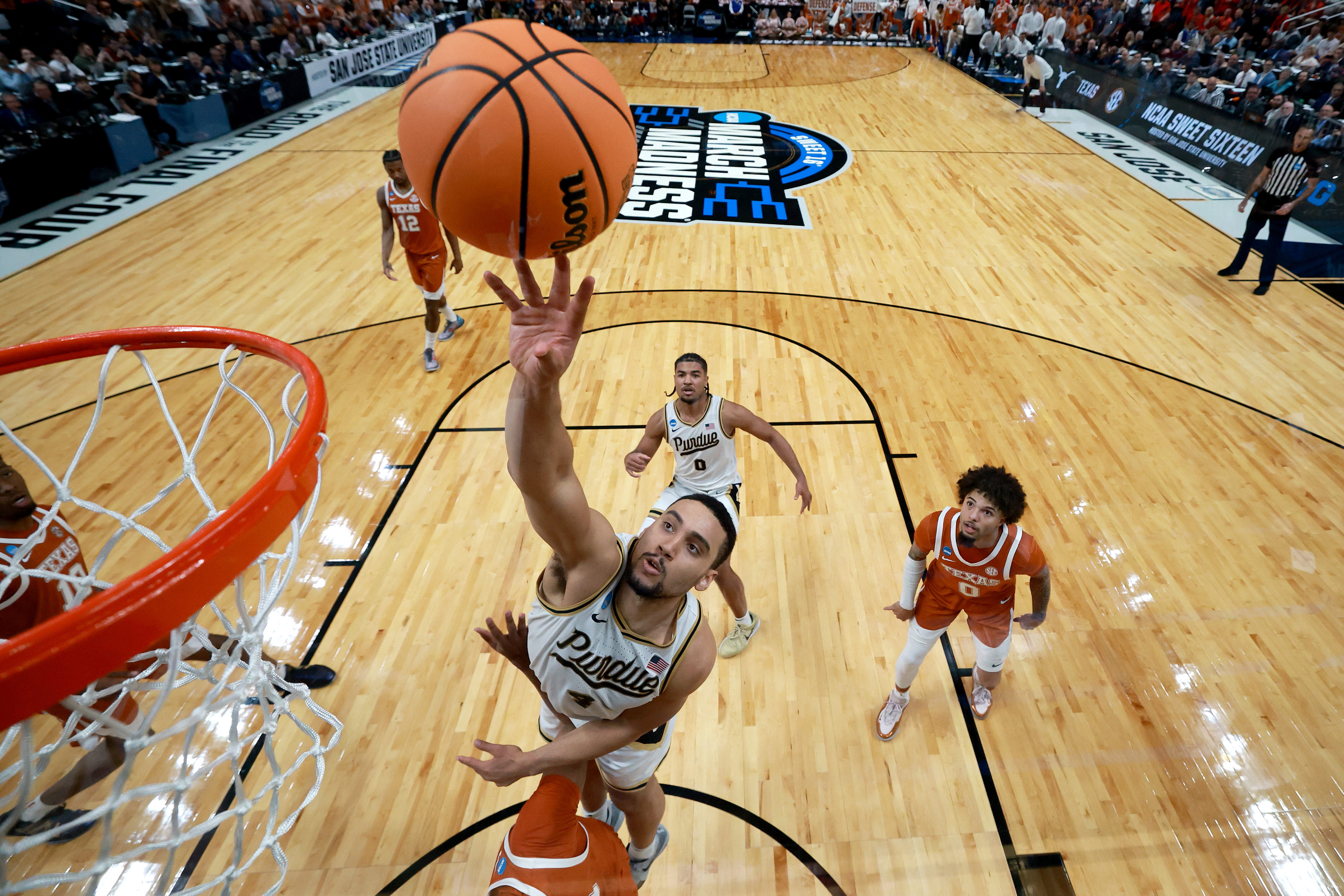

College athletics have undergone a dramatic transformation in recent years, particularly when it comes to how student-athletes can benefit financially from their performance on the field.
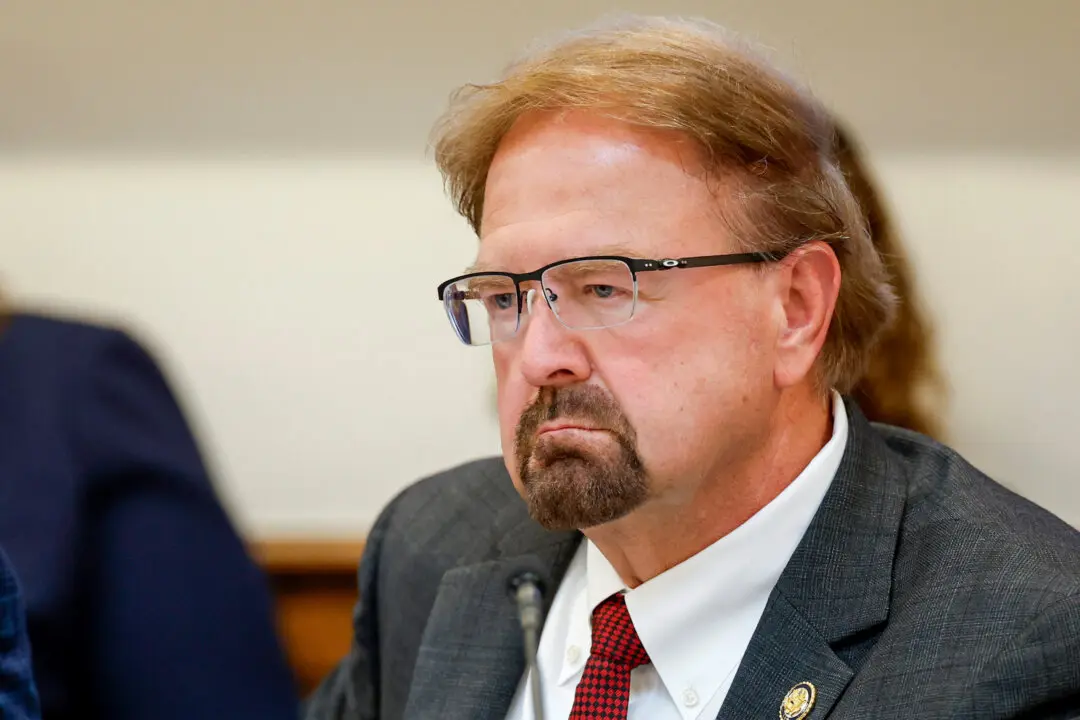
During a March 26 hearing before the Senate Health, Education, Labor, and Pensions Committee, former basketball player Collis Temple Jr. urged lawmakers to rethink how success is defined for college athletes. He argued that achievement should not be measured solely by reaching the professional sports level.
Instead, he said, student-athletes who complete their education can go on to become “professionals” in fields such as science, education, and public service—careers that offer long-term stability and impact.
History of NIL
Until 2021, student-athletes were not able to profit from their name, image, and likeness (NIL). That year, the Supreme Court unanimously ruled in NCAA v. Alston that the NCAA could not prevent athletes from receiving compensation. The ruling fundamentally reshaped the college sports landscape.“In my view, that argument is circular and unpersuasive.”

The NCAA settled in June 2025 with former athletes who sought compensation for their play.
Under the agreement in House v. NCAA, NCAA Division I athletes are eligible to receive a share of up to $20.5 million in school-generated revenue, with that cap expected to rise over time. The deal also includes nearly $2.8 billion in back pay for athletes who competed between 2016 and 2024.
In addition to financial compensation, the settlement introduces structural changes, including new roster limits and expanded scholarship opportunities. Schools can now offer scholarships to any number of athletes, replacing previous caps per team.
Calls on Congress to Intervene
As the NIL era evolves, many believe that federal intervention is necessary to establish consistent rules and long-term stability. Critics warn that the current system risks replacing one flawed model with another—one driven by short-term profits that could overshadow the educational mission of college athletics.There are also concerns about the broader impact on non-revenue sports, including Olympic and women’s programs, which could face reduced funding. Since the vast majority of college athletes do not turn professional, many advocates argue that policies should prioritize education and career development beyond sports.
This divide is reflected in the debate over the proposed Student Compensation and Opportunity through Rights and Endorsements (SCORE) Act.
The NCAA supports the bill, which was withdrawn from a scheduled vote in the House in December.
“Student-athletes have consistently asked for meaningful reform—and this legislation is a step toward delivering on that request,” Tim Buckley, NCAA senior vice president of external affairs, told The Epoch Times in a Dec. 3 emailed statement.
“The NCAA has made long overdue changes, mandating health and wellness benefits and ushering in a new system for Division I programs to provide up to 50 percent of athletic department revenue to student-athletes, but some of the most important changes can only come from Congress,” he said.
“This bill reflects many student-athletes’ priorities, and the NCAA is committed to working with Congress to build a bipartisan path forward that ensures the long-term success of college sports and the ongoing opportunities they provide to young people.”
The National College Players Association (NCPA) opposes it.
“The SCORE Act does not address these critical issues and is instead modeled heavily after the unjust House [v.] NCAA settlement. The SCORE Act would exclude college athletes from equal rights under antitrust and labor law. This would prevent unionization, which could otherwise help bring forth key safety protections.”
Pay-for-play agreements are arrangements in which universities compensate student-athletes for participating on their teams, sometimes using revenue generated by their athletic programs. These agreements may involve scholarships or compensation tied to the athlete’s NIL, which is the legal right to control and profit from the use of their identity in commercial settings, such as advertisements or video games.
Despite widespread agreement that the current system is unsustainable, consensus on a solution remains elusive. Policymakers, schools, and advocates continue to grapple with how to balance fair compensation, educational priorities, gender equity, and the long-term viability of college athletics.
As the debate continues, one thing is clear: The future of college sports will depend on finding a model that supports both the economic realities of modern athletics and the broader mission of higher education.