When team losses start to add up or a good run ends with a heartbreaking loss in postseason play, the potential scapegoats can’t outrun the slings and arrows flying their way—especially when they have no idea that they themselves are the target.
These targets are called coaches, and they are an easy mark. They stand tall in front of or behind the bench or perch on it nervously during high-pressure moments in ballgames. These leaders, though, in charge of making the team run like a well-oiled machine, find themselves as abandoned as a business without a cashless payment system when things get tough.
But the thing not many organizations, fans, or even the players themselves want to be honest about might be the very reason why the organization is licking its wounds after the season: the team simply wasn’t good enough.
Perhaps the players didn’t get things done.
Maybe the coaching wasn’t detailed enough.
It could be traced back to the front office, which didn’t fill out the roster with the best depth pieces available when injuries hit.
Team owners could also be at fault for setting budgets that didn’t allow the general managers to raise the talent level.
Or it could even be that the team wasn’t fortunate in a big situation.
Sometimes, though, teams just lose. Someone has to. But that doesn’t seem to be an important factor in the postseason moments of deep self-reflection and evaluation. The blame has to get pinned on someone—in fact, right on the forehead. The concept that the opponent just played better is foreign. And that attitude has compelled front offices and ownerships across the sports landscape to make rash decisions on the most vulnerable targets—coaches—and force fake-hustle types of changes.
Some such moves show the public that management is not sitting idly by. But in reality, the actions have minimal impact on improving the team.
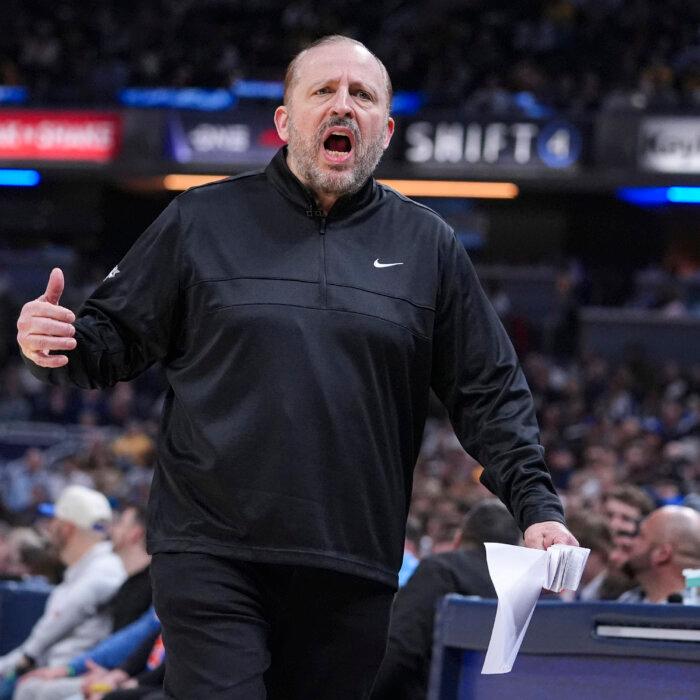
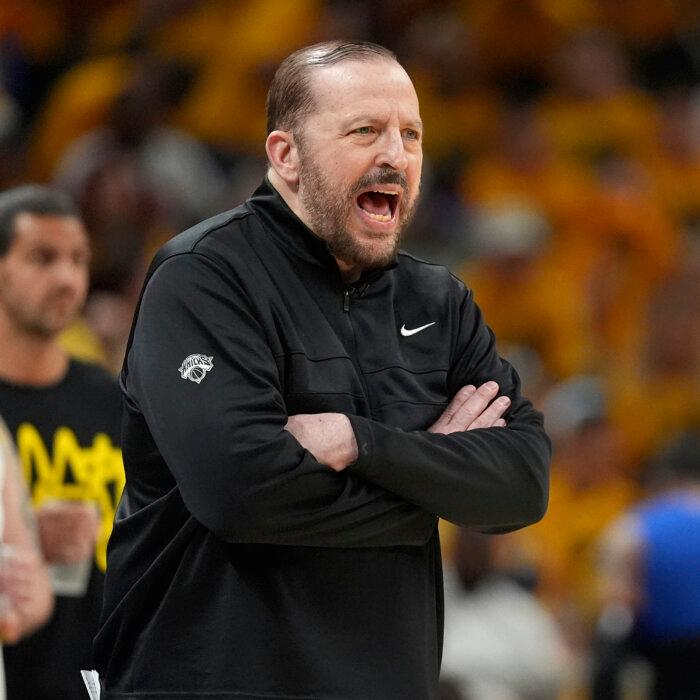
The latest move that had the sports world’s jaws dropping one after another was the New York Knicks’ decision to say goodbye to five-year coach Tom Thibodeau after a city-energizing playoff run that ended six games into the Eastern Conference finals. The move even left one of Thibodeau’s peers in disbelief.
“When I first saw it, it came over one of the [social media platforms] ... I thought it was one of those fake AI things,” Indiana Pacers coach Rick Carlisle said on media day ahead of the National Basketball Association Finals opener.
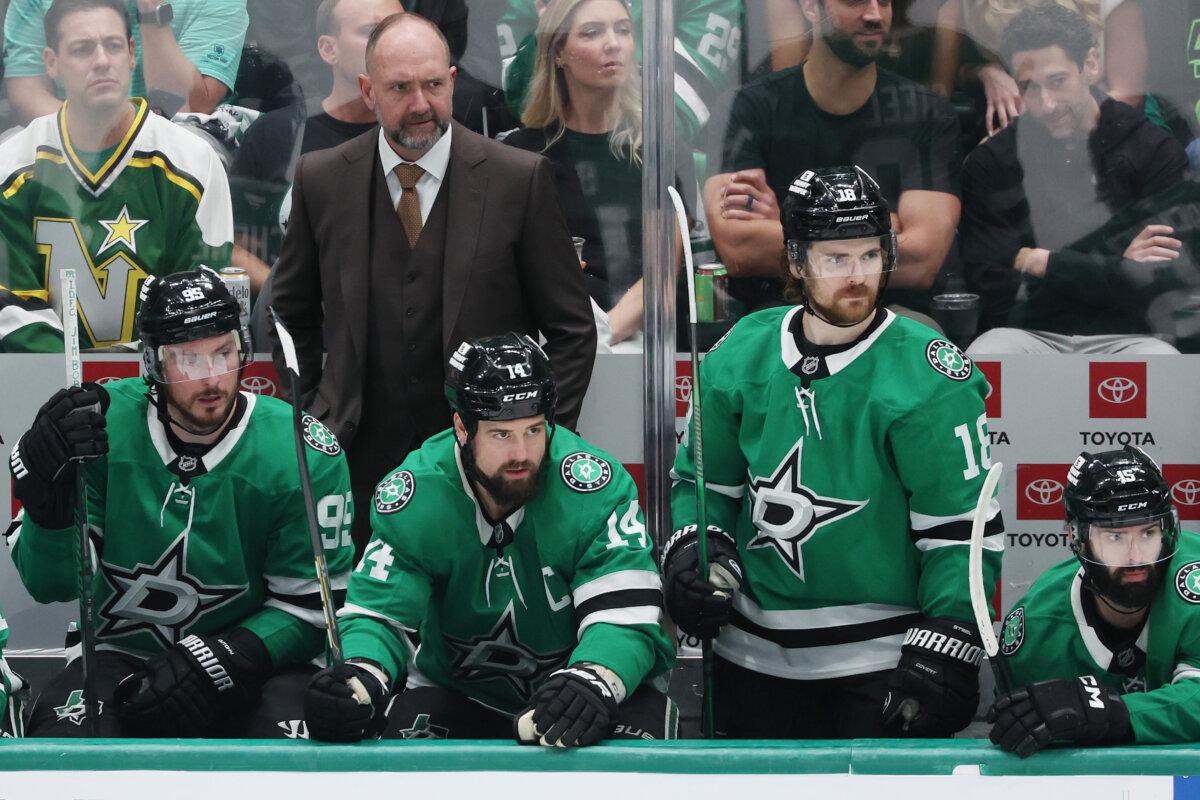
“I get asked frequently about these things, and I always say, ‘Shocked.’ And then sometimes you get numb and you’re not shocked,” Carlisle initially said when asked about Thibodeau being let go.
“The Knicks have such a unique situation with so much attention and such a large fan base and such a worldwide following. It’s one of the most difficult jobs to take.”
He guided the Knicks beyond the first round of the playoffs over the past three seasons to finish off his stint in New York, which doesn’t seem to have a real succession plan in place.
Malone pushed the team over the top to its first NBA title in 2023 and had amassed a 471–327 record.
Because this is the backdrop across present-day sports, there are two other coaches the public shouldn’t be surprised to see take a tumble after the upcoming season.
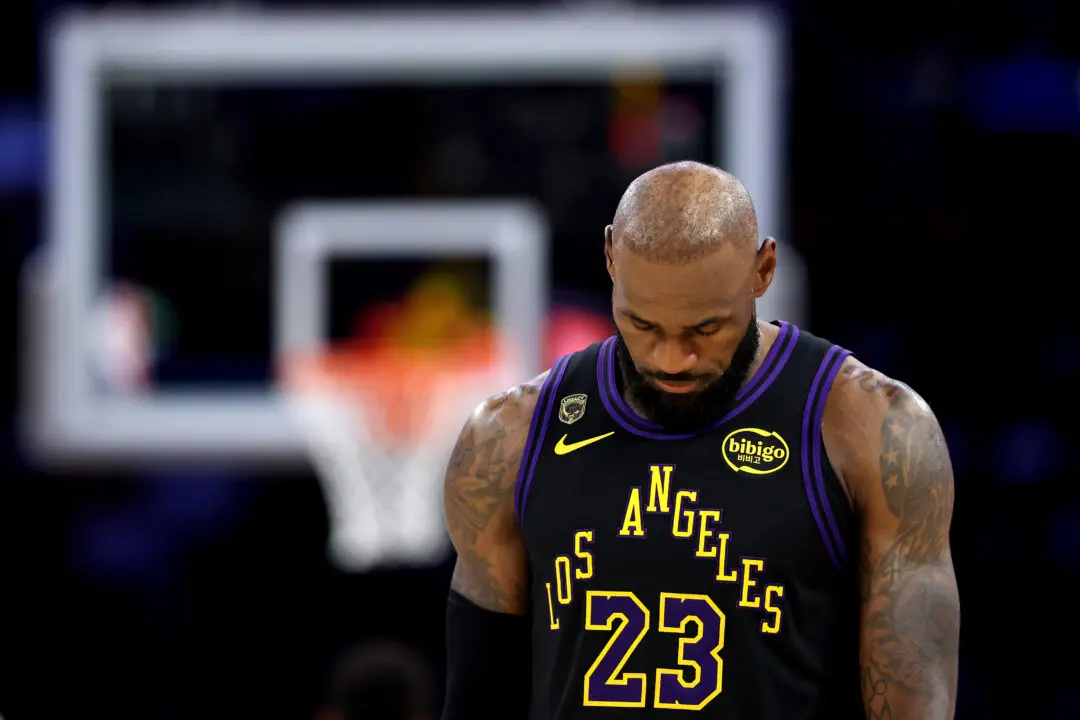
J.J. Redick should be on scapegoat watch. He’ll be entering his second season as the lead man on the bench for the Los Angeles Lakers, who have superstars LeBron James and Luka Doncic. The club hasn’t allowed many coaches to get comfortable in recent decades, and expectations for Redick are above the Southern California smog layer.