Once joining the Athletics, Brent Rooker’s baseball career turned a page that few imagined possible.
The Athletics season will conclude on Sept. 28, a home game with the Kansas City Royals during Fan Appreciation Weekend, in their temporary home of West Sacramento, California. Beginning a three-game series as visitors to the Anaheim Angels on Friday, at 64–77, and in fifth (last) place in the American League West, the Athletics are playing for personal pride. “Wait ’til next year” is the baseball battle cry for the club and its fans.
But as with most clubs that are in the cellar of their division and have little to offer by way of hope or optimism going forward, not so with the Athletics. With their first season under their belt at Sutter Health Park, the next two seasons in California should bring an increased level of comfort to batters and pitchers playing 80-plus home games.
The Athletics are expected to christen a new 33,000-seat stadium in Las Vegas, complete with a fixed roof, constructed at the south end of the Las Vegas Strip. It’s scheduled to open for the 2028 MLB season, and a competitive roster is expected.
This past January, when Athletics’ owner John Fisher and general manager David Forst committed Rooker to a $60 million, five-year deal that potentially could reach $92 million over six years, this was the kind of decision-making that fans in Northern California and Nevada had been waiting for. For 2025, the Athletics came in at 29th place, only ahead of the Miami Marlins, among all MLB clubs in team payroll. With just over $73 million on the books for this season, the Athletics are signaling that payroll will increase for the foreseeable future.
To get fans in Nevada excited about welcoming a team of their own in three seasons, ownership needs to give manager Mark Kotsay a lineup that could compete with the division’s top three threats—Seattle Mariners, Texas Rangers, and Houston Astros.
When a franchise is 124 years old, like the Athletics, and it plans on dishing out nearly $2 billion for the stadium (Fisher estimated his family will pick up the cost of $1.4 billion, with the rest being picked up by public funding), stars need to be persuaded to buy into the Athletics’ plan for success.
Rooker is seen throughout baseball as the de facto leader of the Athletics. Since being selected off waivers by the then Oakland Athletics from the Kansas City Royals in November 2022, Rooker’s career in the corner outfield positions and designated hitter has rocketed to levels few expected were possible.
Since putting on an Athletics uniform in 2023, Rooker, 30, has been selected to two all-star games and won a Silver Slugger Award—the best offensive player at their position selected by MLB coaches and managers. There is no question that he is the centerpiece of the Athletics’ offense.

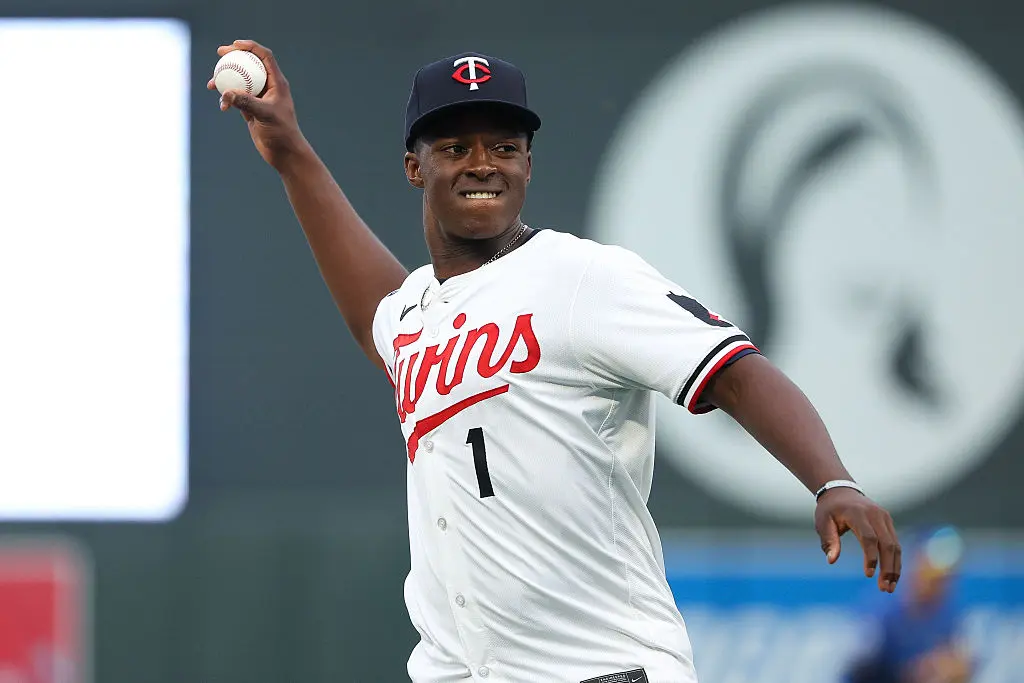
It probably took Rooker longer than he anticipated to be a dominant force in the MLB after being a first-round draft selection by the Minnesota Twins in 2017. Now, with the big money deal afforded Rooker, the Athletics have put their money where their proverbial mouth is.
When finishing up a road series with the St. Louis Cardinals at Busch Stadium on Wednesday, Rooker was once again a hitting machine for the Athletics. Of the nine hits slapped off Athletics’ bats in the 5–1 loss, Rooker collected 3.
Going 3–4, which includes his 37th double this season, Rooker’s .271 average is second on the club to Tyler Soderstrom’s .272. Adding Rooker’s impressive .837 OPS (On-base Plus Slugging—batter’s offensive performance—combining a player’s ability to get on base and hitting for extra bases) means he’s the one to drive in runs. In 2025, the average team OPS is .722. Rooker is towering the average by more than .100. With 80 RBIs already, Rooker isn’t too far off from his career high of 112 registered in 2024.
When including rookie sensations Jacob Wilson at shortstop and Nick Kurtz at first base, and a determined Lawrence Butler patrolling center field and right field, Athletic fans have to like how the roster is performing. Even after losing five of their last six games, the experience the younger players are receiving now should allow them to grow into more complete starters for 2026. This past March, the Athletics signed Butler to a seven-year, $65.5 million contract extension—the largest in franchise history.
Prior to adjusting to the pro game after playing three years at Mississippi State, followed by six seasons of stints in the minor leagues and a total of 81 MLB games with three different clubs, Rooker took command of his game. For each of the last three seasons with the Athletics, Rooker has increased his games played—currently 141 this season—and he’s lowered his strikeout ratio. Playing in eight minor league cities, from Triple-A Rochester Red Wings to rookie ball in Elizabethton, Tennessee, the lengthy bus rides to visiting team cities and the even smaller paychecks coming every two weeks undoubtedly served as motivators to collect his skills into a neat package.
As the Athletics roll on in this season’s final weeks, so are Rooker’s individual accomplishments expected to tick upward.