The American Hockey League (AHL) is celebrating its 90th birthday.
They must be doing something right in the ultra-competitive world of sports and entertainment to continue on as a respected league, second only to the parent National Hockey League (NHL), and to be in business for 90 years.
AHL’s hub lies in Springfield, Massachusetts, 90 miles west of Boston, where the NHL Bruins have been a pillar of hockey strength for 101 seasons. Led by Scott Howson, president and chief executive officer of professional hockey’s equivalent to MLB’s Triple-A since the 2020–2021 season, the NHL couldn’t have a more loyal and financially beneficial business partner in developing world-class skaters and goalies than the AHL.
Nestled in the Western New England city known as “The Birthplace of Basketball,” the 32 teams that comprise the AHL coordinate their efforts.
Each NHL club has signed a developmental agreement with an AHL affiliate. Players are regularly shuttled up and down throughout the AHL’s 72-game schedule, from affiliate to NHL parent club.
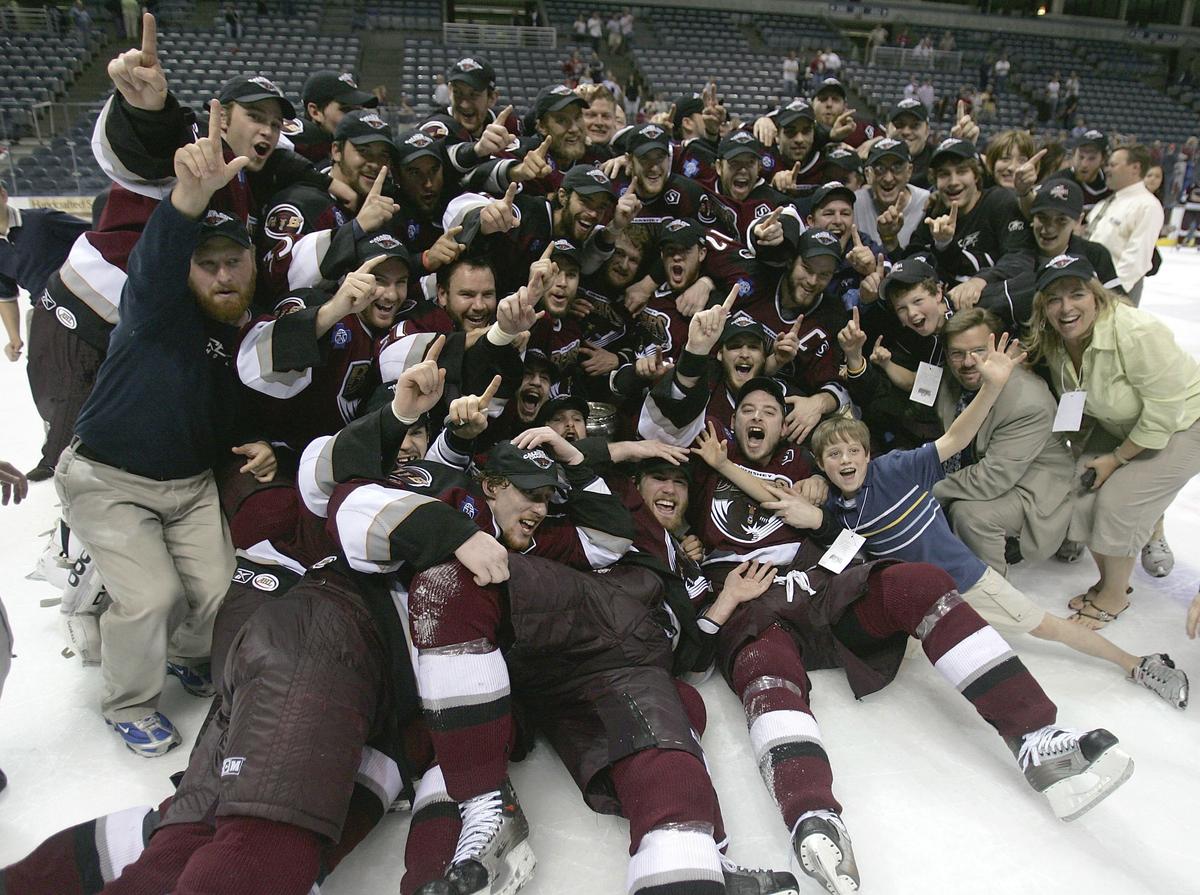
The AHS follows a format similar to the Stanley Cup Playoffs, where 16 teams chase one of sport’s most coveted trophies. In the AHL, 23 teams qualify for the Calder Cup postseason rush. The Calder Cup, named after the first NHL President Frank Calder, has been hoisted by future Hockey Hall of Famers, players, and coaches alike.
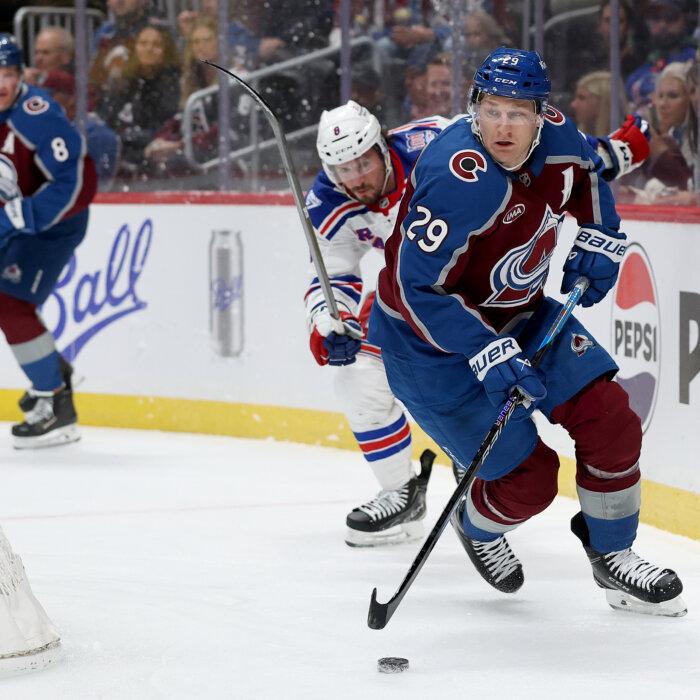
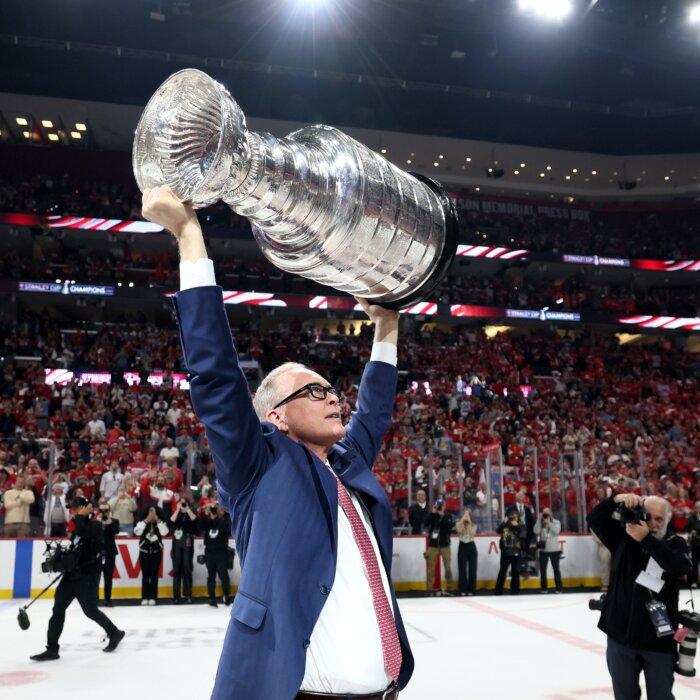
Every Autumn since 1936, professional hockey has been played along the AHL trail in cities that may be foreign to some NHL fans, but are fiercely supported by fan bases that offer new meaning to loyalty.
Utica, New York, located nearly 250 miles north of Manhattan, remains a poster franchise in “The Empire State,” not only representing current AHL success but also serving as a model for minor league-level communities hosting professional sports franchises. Building strong ties between team ownership and sponsors throughout the Mohawk Valley region has created a brand that has truly taken customer relations to a new level.
On Oct. 19, 2018, the Utica Comets set a new AHL record with their 121st consecutive regular-season game sellout.
Throw in 17 consecutive postseason games at Adirondack Bank Center at the Utica Memorial Auditorium, and you have a combined streak of 138 sellouts. The love and attachment hockey fans have in their home cities remains steady.
During the 2023–2024 season, 6.8 million-plus fans attended AHL games from Quebec to Coachella Valley (Palm Desert, California), and north of the border to Western Canadian cities as Calgary, Abbotsford, and Winnipeg.
The AHL’s growth spurt over the past decade, particularly with the formation of the Pacific Division in the 2015–2016 season, was the result of David Andrews’ hockey handiwork.
From 1994 to 2020, Andrews served in the capacity that Howson enjoys today. Currently recognized as the league’s chairman emeritus of the board of governors, Andrews’ impressive reputation—earned throughout hockey circles in the United States and Canada during his tenure as the AHL’s chief—laid the groundwork for stable, prosperous franchises.
Just as MLB clubs’ geographical locations relate to their Triple-A clubs, and the National Basketball League’s G League, which has 31 teams (one independent, unaffiliated team), AHL teams, for the most part, are close to their NHL partner city.
When player call-ups are needed, skaters and goalies alike are expected to reach their destination without missing the next scheduled game. Today, Utica is aligned with the New Jersey Devils, a 250-mile drive south to Newark’s Prudential Center.
The New York Rangers have their AHL hub in nearby Hartford, Connecticut. Out west, Abbotsford is a hop, skip, and a jump from their NHL parent city of Vancouver, and the Ontario (Calif.) Reign is less than 40 miles away from where their NHL partner, the Los Angeles Kings, skate.
And as NHL team athletes have become accustomed to traveling from city to city by charter jet, the majority of AHL trips are by bus.
Coaches, too, hone their craft at the AHL level. Assistant and head coaches steering AHL teams are on the hunt for that one interview that could lead to an NHL job.
Ottawa Senators’ coach Travis Green spent four seasons running the bench in Utica before getting his break at the big-time with Vancouver in 2017–2018. A former AHL and NHL skating alumnus, Nolan Baumgartner began his coaching career on Green’s staff with the Comets in 2013–2014, and hasn’t left his side since.
According to the AHL, 87 percent of current NHL players served AHL apprenticeship duty. Players assigned by NHL teams who sign them and then send them packing to their AHL affiliate for seasoning are, in many cases, in a professional waiting pattern.
They may have the talent to compete at the highest level of hockey; however, roster spaces remain scarce. Keeping skates and stick skills sharp in cities such as Milwaukee, Hershey (Pa.), Cleveland, or Bakersfield (Calif.) is a hockey way of life for would-be future NHL players.
For those on AHL rosters this birthday season, which began on October 10 and runs through April 18, it’s a continuous pursuit of a dream that for many began on a small backyard pond or a public skating rink.
The AHL is a land of hockey possibility, just one step below the NHL, where the greatest show on ice plays out.