


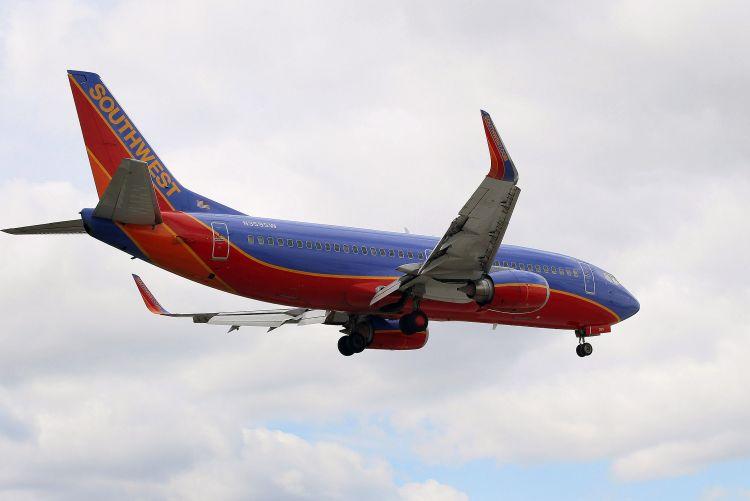
NEW YORK—The U.S. Department of Justice approved Southwest Airlines’ takeover of AirTran Airways, and this week, the merger creating the nation’s first mega-sized discount airline is now complete.
“The merger,” the Justice Department said, “is not likely to substantially lessen competition,” pointing to rivals such as JetBlue Airways and Frontier Air. The antitrust agency also noted that the merger may help consumers as the now bigger discount airline would lower fares, when it is better able to compete with industry giants such as American Airlines or United Continental.
The Dallas-based Southwest, adding Atlanta-based AirTran, will be 25 percent bigger and for the first time in its history, will have international routes. AirTran currently serves the Caribbean, including destinations in the Bahamas, Mexico, and Aruba. Combined, the airlines will server more than 100 cities.
For Southwest, the merger means that it has a sizable presence in Atlanta Hartsfield-Jackson International Airport, the busiest airport in the world and an AirTran hub. Delta Airlines is the biggest airline in Atlanta. In addition, Southwest gains AirTran’s valuable slots at New York’s LaGuardia Airport, as well as Washington’s Reagan National Airport.
It will be interesting to see how current AirTran customers adapt to Southwest’s one class, open seating policy. AirTran has a business class and assigned seating arrangements.
But in the short term, little will change. “Our customers will continue to book flights at AirTran.com, fly on AirTran jets staffed by AirTran employees, and our policies will remain in place as we begin to integrate,” said AirTran spokesperson Christopher White.
Both companies have not worked out pilot seniority agreements, which could get contentious in a merger of airlines.
“The merger,” the Justice Department said, “is not likely to substantially lessen competition,” pointing to rivals such as JetBlue Airways and Frontier Air. The antitrust agency also noted that the merger may help consumers as the now bigger discount airline would lower fares, when it is better able to compete with industry giants such as American Airlines or United Continental.
The Dallas-based Southwest, adding Atlanta-based AirTran, will be 25 percent bigger and for the first time in its history, will have international routes. AirTran currently serves the Caribbean, including destinations in the Bahamas, Mexico, and Aruba. Combined, the airlines will server more than 100 cities.
For Southwest, the merger means that it has a sizable presence in Atlanta Hartsfield-Jackson International Airport, the busiest airport in the world and an AirTran hub. Delta Airlines is the biggest airline in Atlanta. In addition, Southwest gains AirTran’s valuable slots at New York’s LaGuardia Airport, as well as Washington’s Reagan National Airport.
It will be interesting to see how current AirTran customers adapt to Southwest’s one class, open seating policy. AirTran has a business class and assigned seating arrangements.
But in the short term, little will change. “Our customers will continue to book flights at AirTran.com, fly on AirTran jets staffed by AirTran employees, and our policies will remain in place as we begin to integrate,” said AirTran spokesperson Christopher White.
Both companies have not worked out pilot seniority agreements, which could get contentious in a merger of airlines.


