The world’s largest spaceship ever created will have to wait a little longer to take off on its 10th test flight, as SpaceX announced it would cancel its launch at Starbase, Texas, on Aug. 24.
The next launch window is set for Aug. 25.
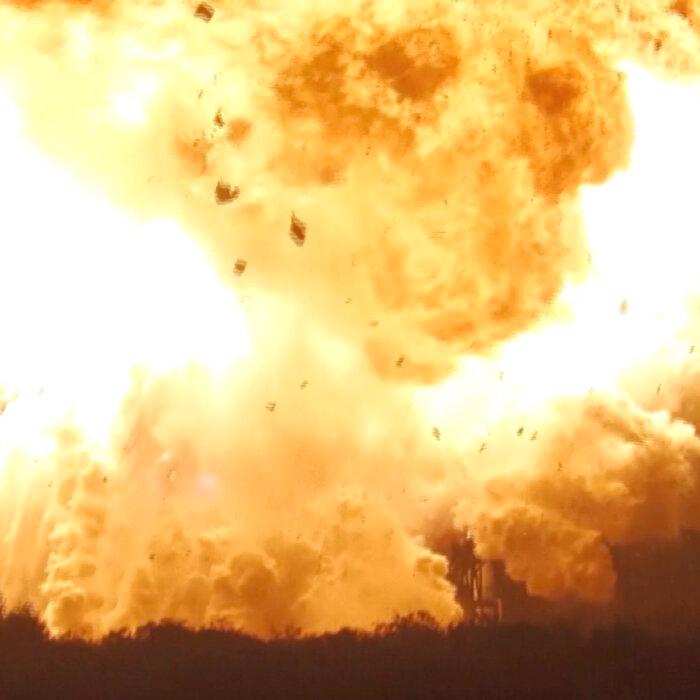
The operation is set to be the first mission to follow the necessary investigations into the loss of Starship on its ninth test flight and a static fire accident.
This 10th mission targets similar objectives for Starship, including another attempt at first deployment of a payload of simulated next-generation Starlink satellites, as well as reignition of one of its Raptor engines and reentry tests. Those tests include testing different materials for Starship.
Starship is expected to maintain a suborbital track, and, if all goes according to plan, conduct a soft water landing in the Indian Ocean off the northwest coast of Australia.
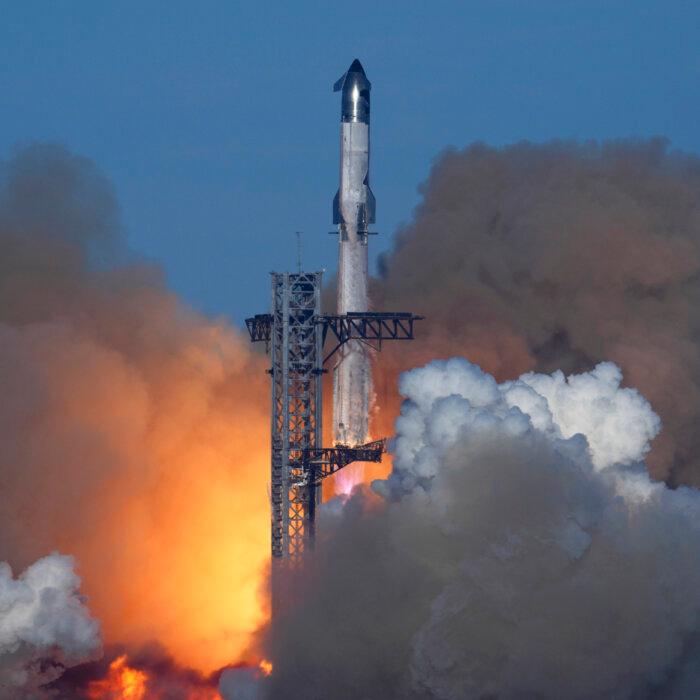
“The primary test objectives for the booster will be focused on its landing burn and will use unique engine configurations,” SpaceX said in a press release. “One of the three center engines used for the final phase of landing will be intentionally disabled to gather data on the ability for a backup engine from the middle ring to complete a landing burn.
“The booster will then transition to only two center engines for the end of the landing burn, entering a full hover while still above the ocean surface, followed by shutdown and drop into the Gulf of America.”
This super heavy booster is also the first to fly twice, after making its debut on Starship’s seventh test flight. SpaceX praised the event as a step towards its goal of achieving rapid reusability.Starbase is set to eventually launch 25 Starships a year, with a long-term goal to eventually reach 1,000 launches a year. An additional Starship launchpad is under construction on Launch Pad 39A at Kennedy Space Center in Florida.
This completely reusable rocket is expected to be a workhorse for manned missions to the moon and Mars.
“Flight tests continue to provide valuable learnings to inform the design of the next generation Starship and Super Heavy vehicles,” SpaceX said. “With production ramping up inside Starfactory at Starbase alongside new launch and test infrastructure actively being built in Texas and Florida, Starship is poised to continue iterating towards a rapidly and fully reusable launch system.”