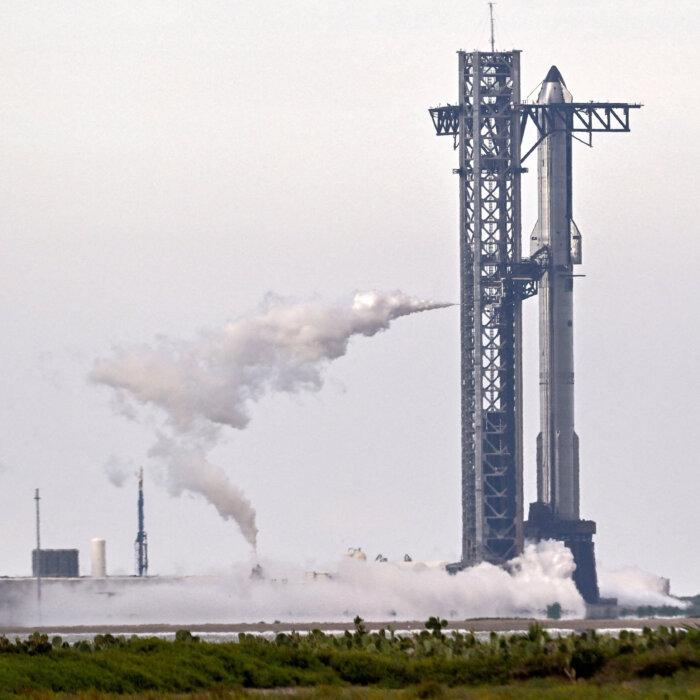
SpaceX called off Monday’s attempt to launch its Starship megarocket in Texas due to unfavorable weather, marking a second delay in two days after a ground-system leak halted Sunday’s launch.
The rocket was filled with millions of pounds of propellant and set to launch when SpaceX opted to call off the day’s launch and turn the operation into a launch rehearsal, due to the weather forecast throughout the launch window.
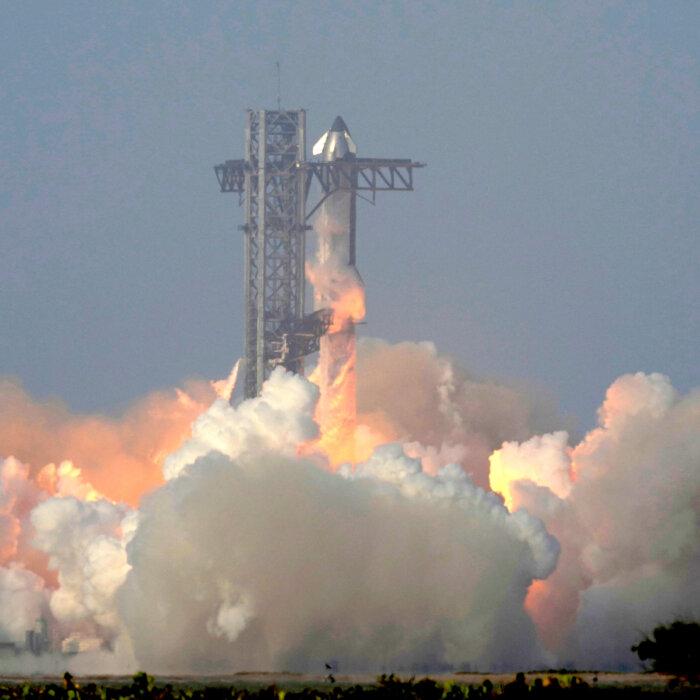
SpaceX said the latest mission will target goals similar to previous Starship missions, such as Starship’s “first payload deployment and multiple reentry experiments geared towards returning the upper stage to the launch site for catch.”
The test flight also seeks to expand the operational limits of Starship’s Super Heavy booster. After separating from Starship, the booster will be set to turn around and conduct a boostback burn, putting it on a course back to the launch pad.
In the 10th mission, the booster will be set to conduct multiple landing burns to gather data on future flight profiles and off-nominal scenarios. The booster is then set to make an offshore water landing in the Gulf of America, according to the statement.
“The primary test objectives for the booster will be focused on its landing burn and will use unique engine configurations. One of the three center engines used for the final phase of landing will be intentionally disabled to gather data on the ability for a backup engine from the middle ring to complete a landing burn,” SpaceX said.
“The booster will then transition to only two center engines for the end of the landing burn, entering a full hover while still above the ocean surface, followed by shutdown and drop into the Gulf of America.”
SpaceX said that eight Starlink simulators will be deployed on the test flight, which are “similar in size” to the company’s Starlink satellites.
“The Starlink simulators will be on the same suborbital trajectory as Starship and are expected to demise upon entry,” SpaceX said.