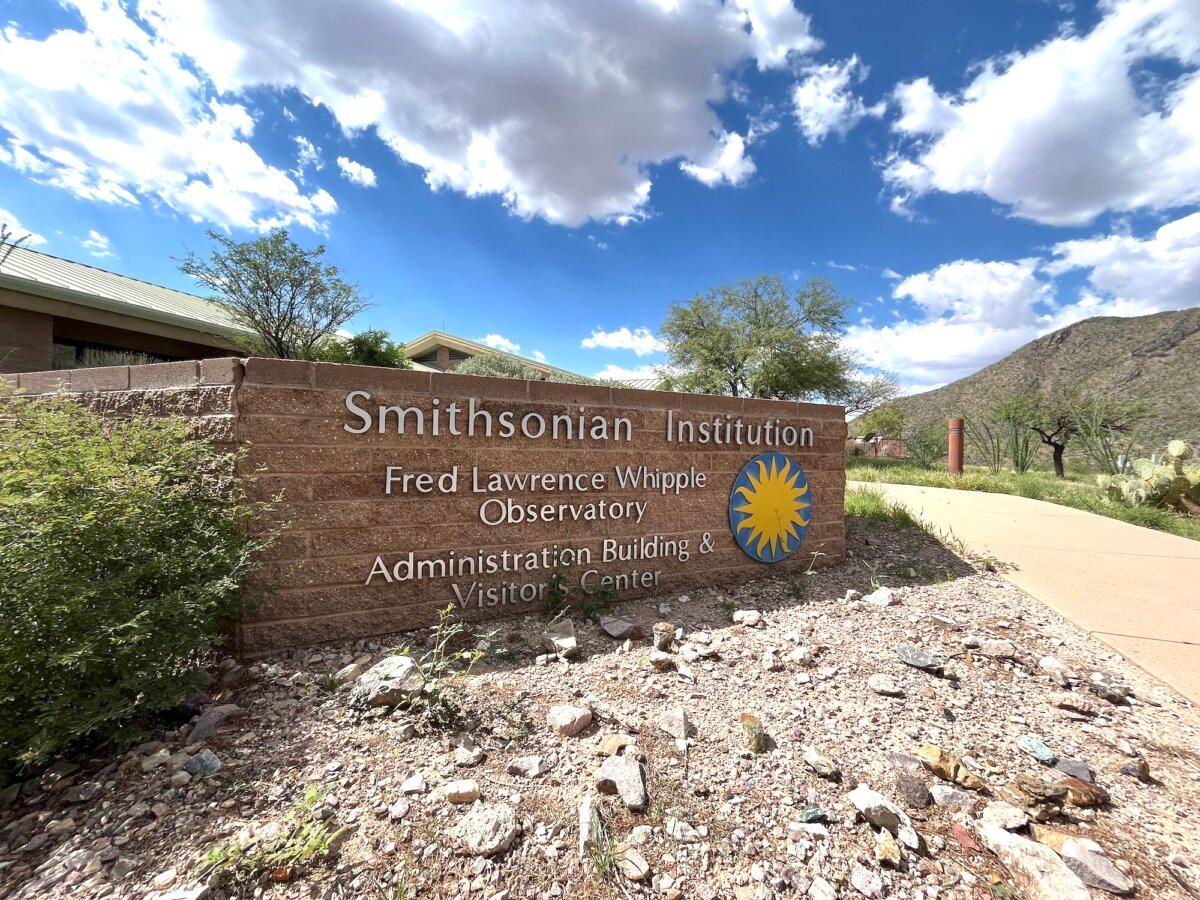
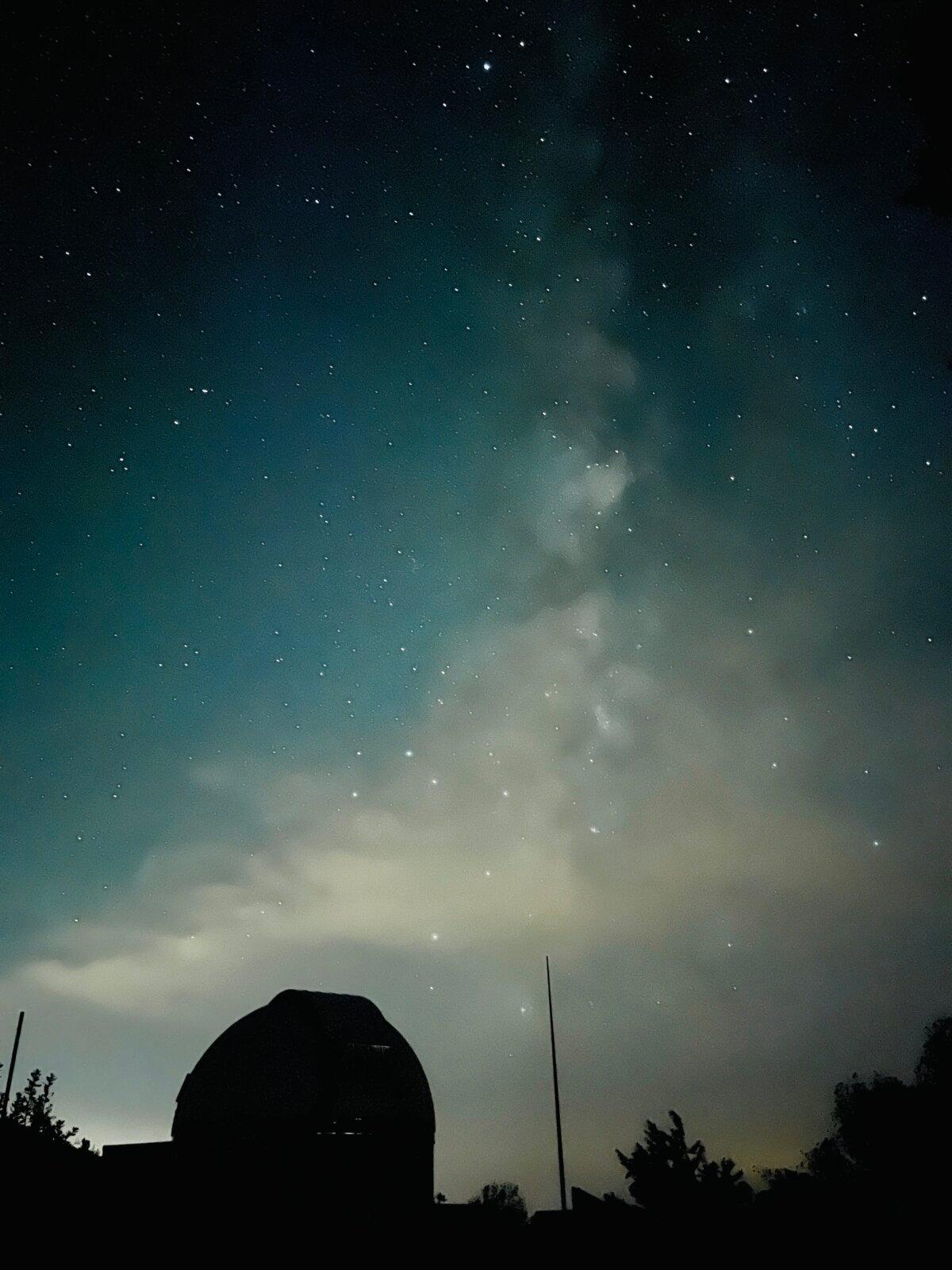
AMADO, Ariz.—As the stars come out over the Fred Lawrence Whipple Observatory, high in southern Arizona’s Santa Rita Mountains, new worlds are waiting to be discovered.
At the observatory, scientists seek out and study black holes, faraway galaxies, strong bursts of gamma rays, planets that orbit other stars, and many other things.
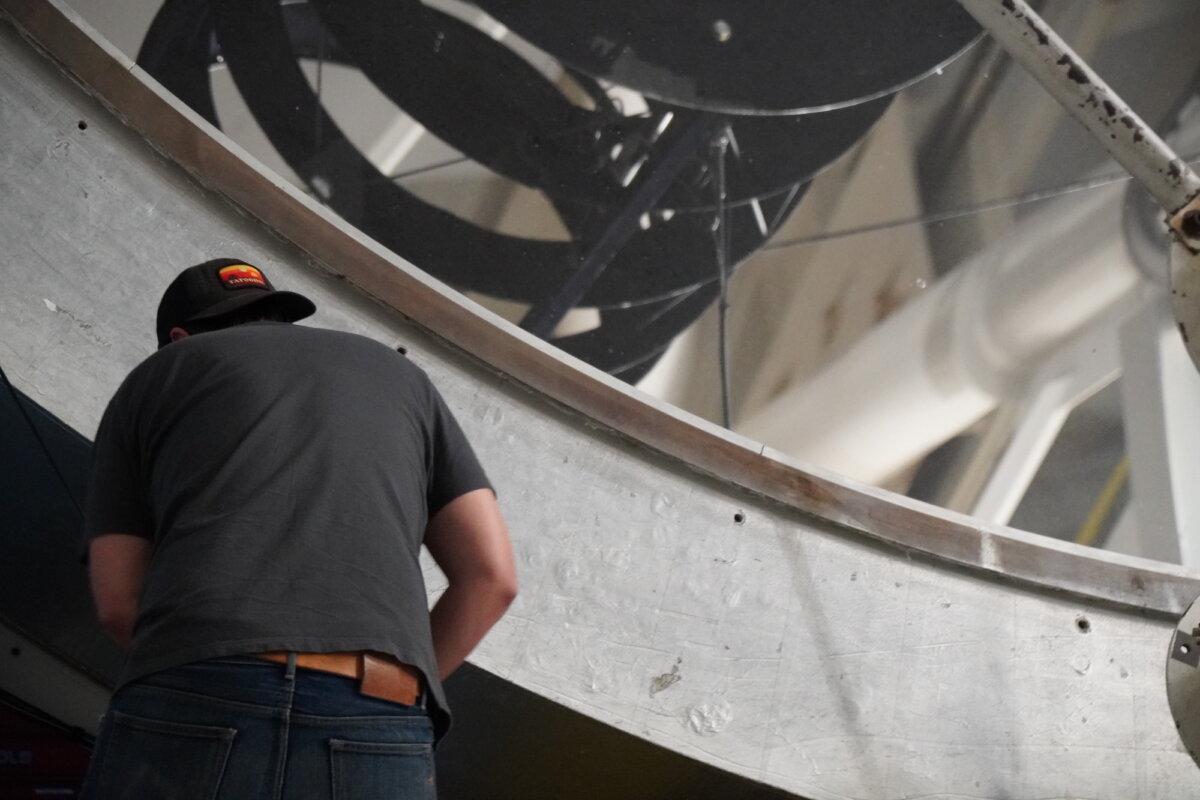
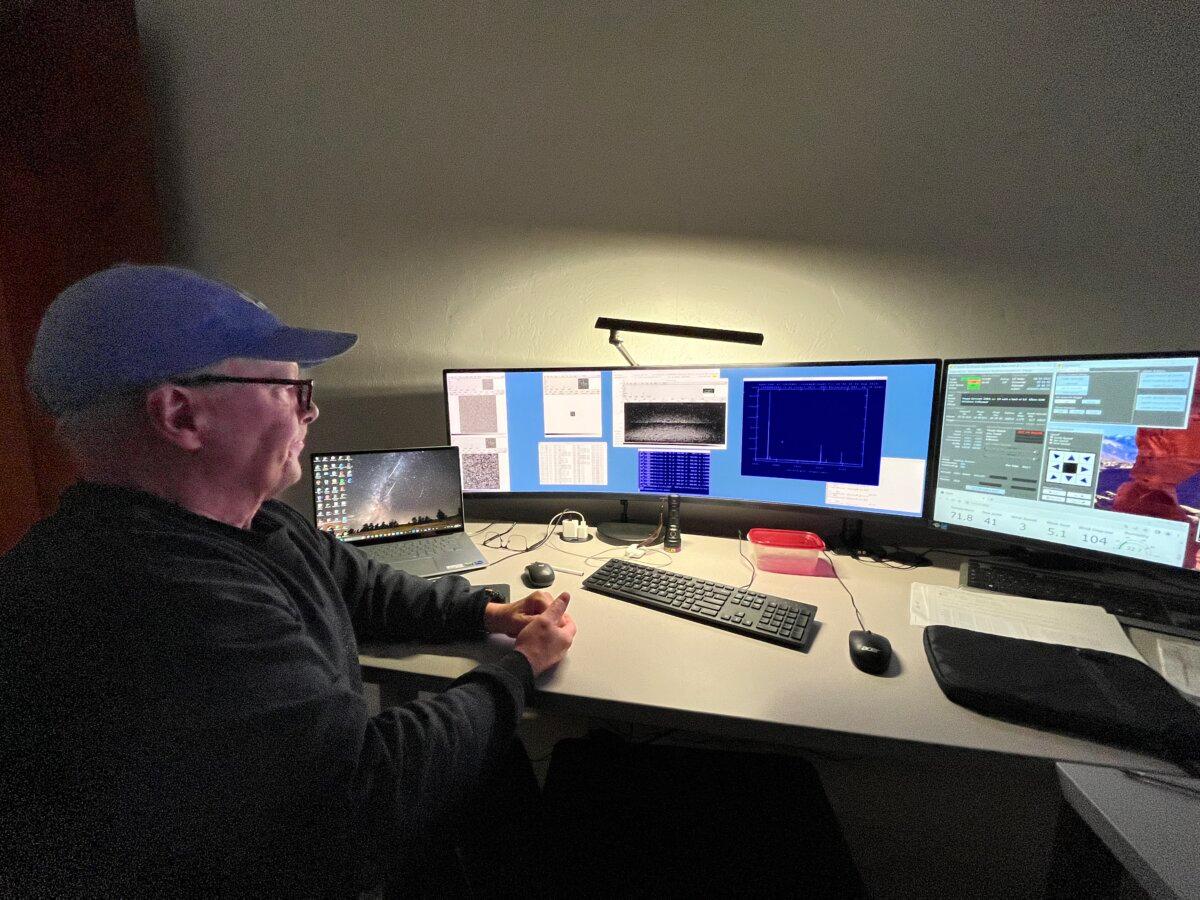
“On a good night, we’ll observe 40 to 50 objects—and that’s a fairly productive night,” telescope operator Mike Calkins said as he monitored three computer screens filled with target data.
“What we see here is just the beginning of the process. The guys that take the data and turn it into [meaningful] numbers, that’s the true magic.”
Calkins said the universe overflows with celestial wonders, far outnumbering the professional astronomers who strive to unravel their mysteries.
According to the American Astronomical Society, there are approximately 10,000 astronomers worldwide. About 6,000 work in the United States, with fewer than 200 job openings available.


That is where citizen scientists play a key role, said Amy Oliver, public affairs officer for the Whipple Observatory.
Citizen scientists are everyday people drawn to the riddles of the night sky by insatiable curiosity and wonder, she said.
“Astronomy has so many objects,” Oliver told The Epoch Times. “Our technology has gotten so good at discovering objects. There’s much more data than people to go through that data meaningfully.”
DIY Planet Search is just one example of citizen science helping astronomers collect and improve their data, building on earlier research.
An exoplanet is a planet that circles a star beyond our solar system. Many are massive gas giants similar to Jupiter. However, scientists are uncovering a growing number of rocky worlds that resemble Earth in size and composition.
Some of these distant planets circle their stars in the so-called “Goldilocks” zone, where conditions are just right for water, and perhaps even life, to exist.
Rob Zellem, a project scientist and lead for Exoplanet Watch, said the project relies on small, ground-based telescopes, operated mostly by amateur astronomers across the world.
Small telescopes used by lay astronomers do not collect as much light, Zellem said, but they are still able to observe exoplanets during an event known as a transit or “micro-eclipse.”
When a planet passes in front of its host star, it blocks a small amount of the star’s light. Astronomers time how long these crossings last to figure out a planet’s size, how fast it moves, and how far it is from its sun.
By studying the light from the star, they can also determine if the planet has an atmosphere and what it is composed of.
However, finding these crossings takes time because the observer must keep a telescope pointed at the star and watch for drops in its light, according to DIY Planet Search.
Automatic telescopes can perform this task independently, without manual control.
“Scientists need to understand how planets interact with their stars and with other planets when they’re present, and a number of other things,” Mary Dussault, an instructional systems specialist at the Harvard and Smithsonian Center for Astrophysics, said.
Dussault leads the MicroObservatory Robotic Telescope Network, a program that enables individuals to search for planets independently and improve existing data from observatories.
The program works together with NASA’s Exoplanet Search.
“It seemed to be a very novel idea,” Dussault said. “The idea that amateurs could actually contribute to exoplanet science.”
Zellem said citizen scientists help professional astronomers pinpoint the timing of exoplanetary transits more accurately while cross-checking astronomers’ data.
“This is where amateur astronomers and citizen scientists can come into play,” Zellem said.
“If they can help us make these observations ahead of time, we can more efficiently schedule the timing of large space-based telescopes to use them more effectively.”
Zellem said that the time and effort citizen scientists give to the program are invaluable in supporting professional astronomers.
With the help of space telescopes such as Hubble and the James Webb Space Telescope, astronomers have been discovering exoplanets since the first one—HD 209458 in the constellation Pegasus—was found in 1999.
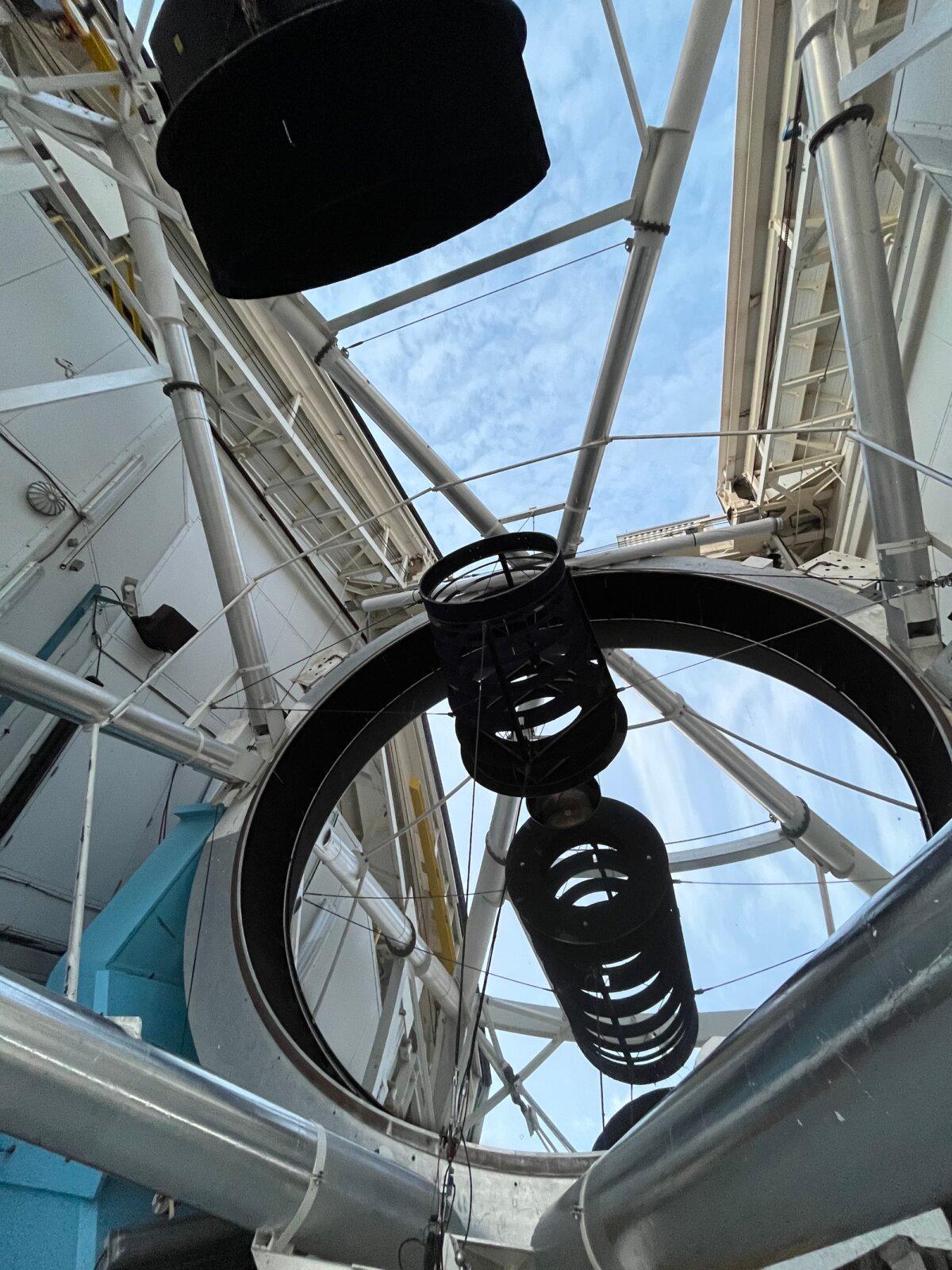
In the early 2000s, the Harvard and Smithsonian team launched the MicroObservatory Robotic Telescope Network at the Whipple Observatory.
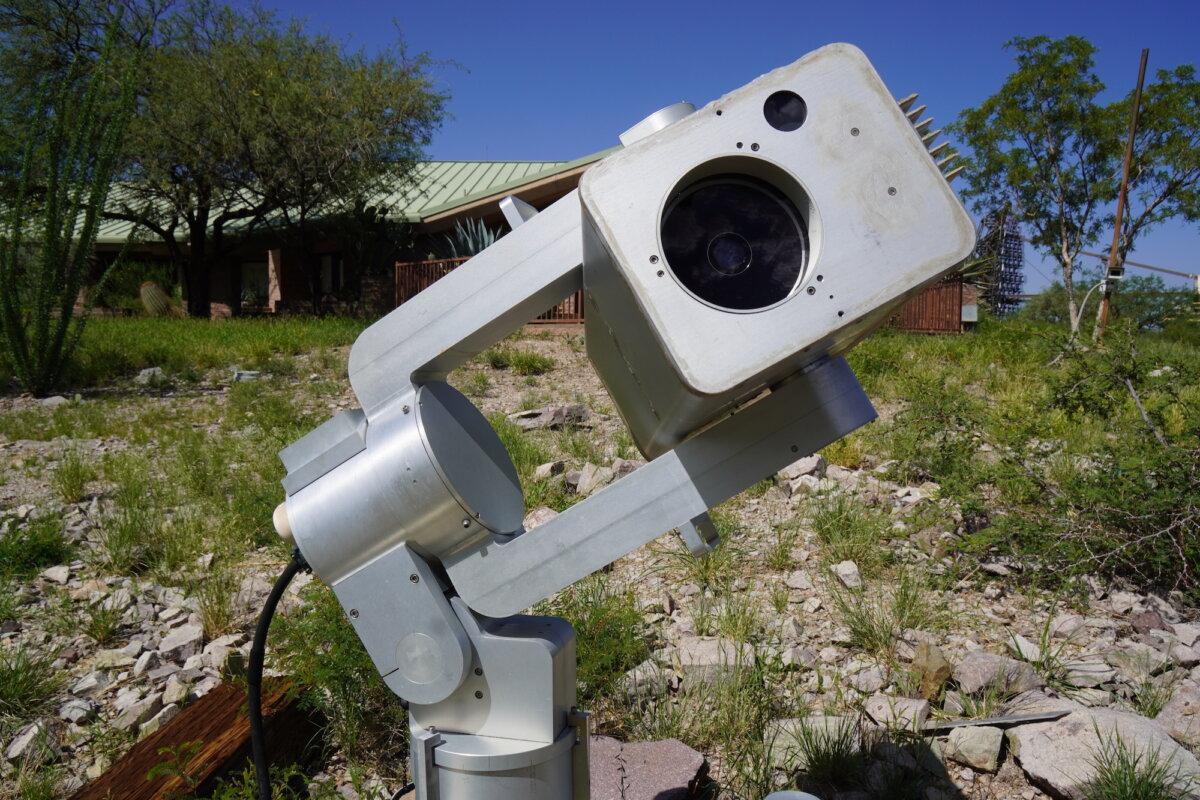
Using a web browser and instructional guide, DIY volunteers can log in and operate the two small, outdoor-mounted robotic telescopes to search for possible exoplanets and refine existing data.
The countless hours they contribute help provide astronomers with the best possible information. Their work has even been cited in professional research papers, according to Oliver.
“It saves [astronomers] a lot of time,“ she said. ”We have the initial catalog data, plus the telescope data, plus the follow-up data. Then we have volunteers go through it all.
“I don’t know what we would do if it wasn’t for this [project].”
Of the approximately 3,000 citizen scientists who participate in NASA’s Exoplanet Watch, approximately one in 300 is likely to have a telescope, Zellem said.
He noted that many volunteers work off-site using archival data supplied by NASA. The program leverages the skill sets of the volunteers with the capabilities of the robotic telescopes, including six stationed outside Los Angeles.
“I’ve always been really interested in astronomy and NASA space telescopes, looking for other Earth-like planets out there,” Zellem told The Epoch Times.
Exoplanet Watch is a citizen science project sponsored by NASA’s Universe of Learning. It is designed to help anyone learn about exoplanets, regardless of their training and background. All the necessary tools are provided on the project website. Participants collect and analyze real exoplanet data, share their findings with NASA, and even receive credit for their work in science articles.
What’s more, they can upload their results to NASA’s system to help scientists learn more about planets outside our solar system.
By March 2024, planet watchers had looked at more than 400 planets outside our solar system and made more than 6,000 charts showing how each planet’s brightness changes over time.
Astronomers consider this data extremely valuable, according to Exoplanet Watch.
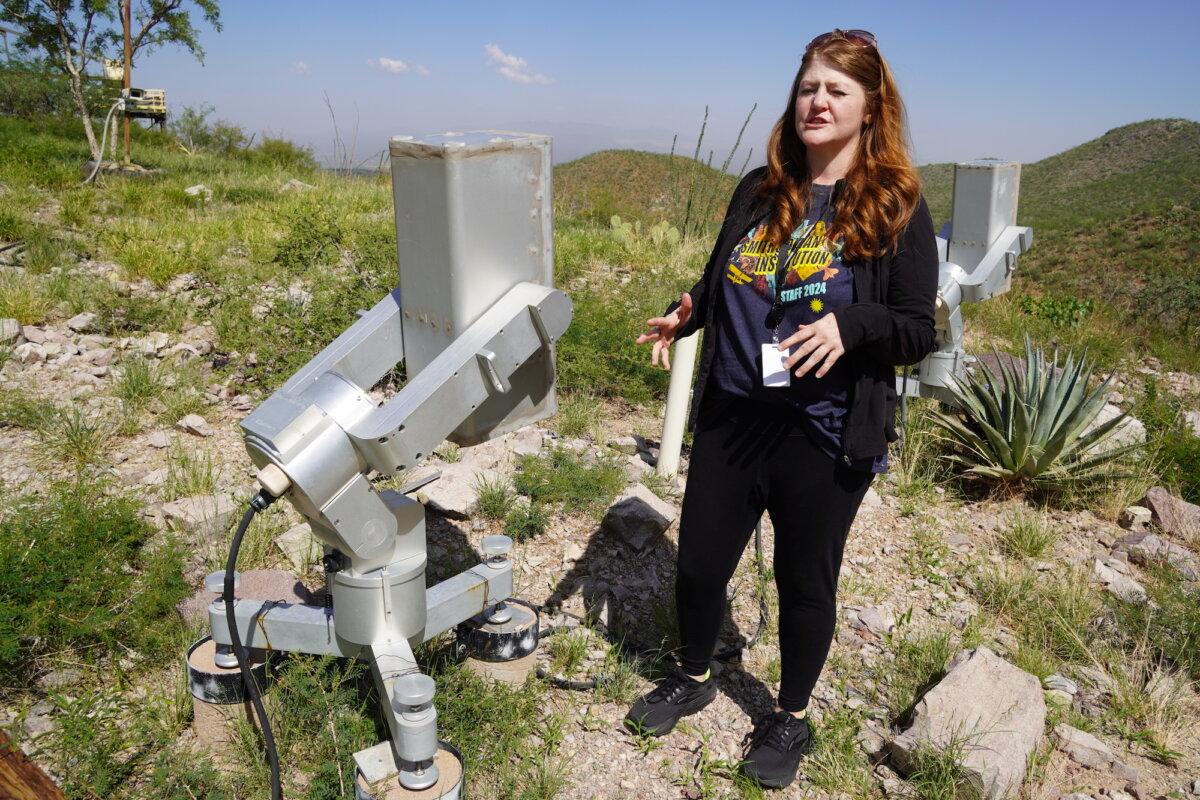
Frank Sienkiewicz, an education specialist and MicroObservatory project engineer for DIY Planet Search, said it is his job to make sure that the equipment is calibrated and running properly.
He described the DIY project as a rich online community of enthusiastic volunteers, in which people from all walks of life have “really gotten bitten by this bug” of searching for other worlds.
“There’s like 30 that post constantly [out of thousands of participants], and they actually have become mentors to others,” Sienkiewicz told The Epoch Times.
“They could be students, retirees—you name it. I would guess that they’re all looking basically to find the next Earth.”
At Whipple Observatory, the two robotic reflecting telescopes are equipped with six-inch light-gathering mirrors and photon detectors, which aid in observing distant star systems using the transit method.
Other robotic systems used by the observatory in exoplanet research are the Hungarian-made Automated Telescope array and the MINERVA array.
Dussault said DIY members can operate the MicroObservatory telescopes remotely from almost anywhere.
The program has expanded significantly over the past decade, she said, providing scientists with a deeper understanding of the nature of exoplanets.
“Our little telescopes detect them, and a lot of science has come out of that,“ Dussault told The Epoch Times. ”Participatory science experiences are at the heart of these robotic telescopes. It’s what [DIY Planet Search] is about.”
Learning about each new planet takes time and patience, Oliver said.
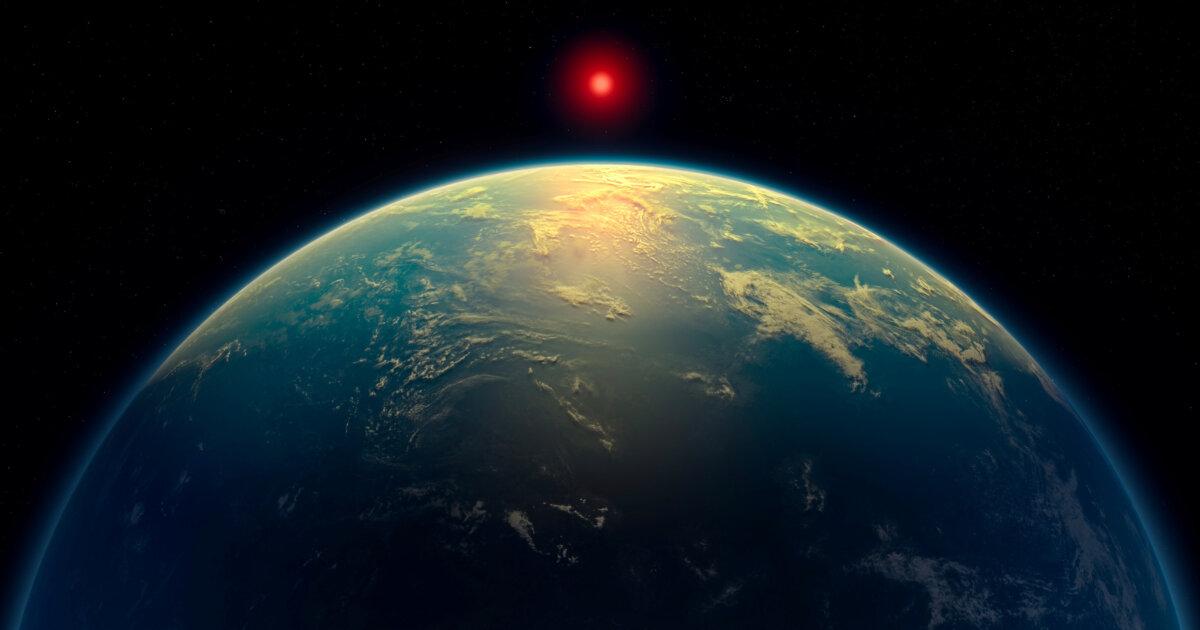
There are 5,983 known exoplanets spread across 4,470 planetary systems, and 1,001 of those systems have more than one planet.
Oliver said DIY Planet Search does not look at all exoplanets but that it still looks for the same kinds of information that other projects hunt for.
As the program has progressed, Oliver said, the main takeaway has been that everyone recognizes that they are working toward the same goal: advancing human knowledge by gathering, sharing, and improving data.
“I think that’s phenomenal,” she said. “Citizen science creates the world’s biggest group projects and allows people to self-select into the experience because they want to learn or help or be part of a community, or a mixture of these things.
“That’s the really incredible part of volunteerism; it’s about creating community that does amazing things together, and they all choose to be there doing it.”
Dolores Hill, research specialist at NASA’s Lunar and Planetary Laboratory, said citizen astronomers have been making careful observations for a long time, covering more sky more consistently with their telescopes from vantage points worldwide.
This is especially helpful during adverse weather conditions in temperate regions and during the monsoon season in the southwestern United States, she said.
Hill said amateur astronomers have made notable discoveries by observing the right object at the right time. Professional astronomers are only able to devote limited time to specific projects.
Often, they receive only a handful of nights on a large telescope per year, she said.
“Observers diligently observe as often as they are able,“ Hill said. ”I know several amateur astronomers who have contributed thousands of observations over many years to astronomical data repositories.”
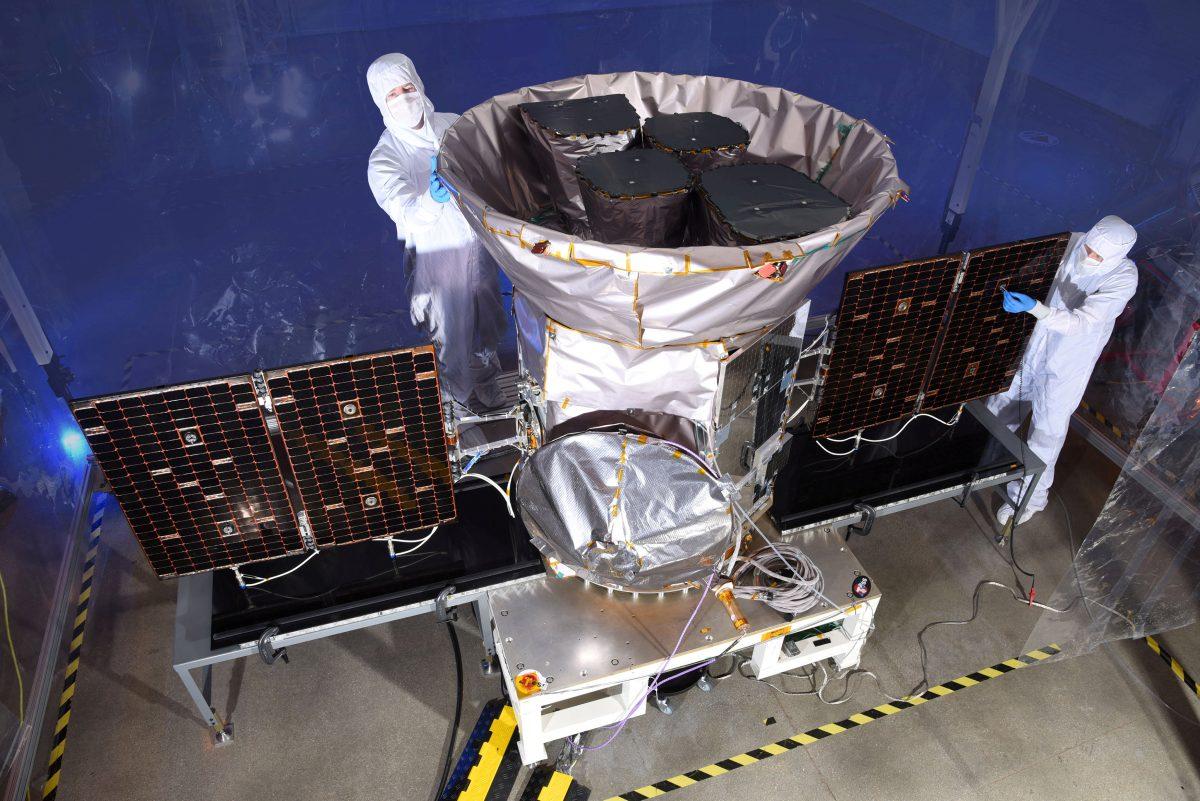
The Massachusetts Institute of Technology leads this project; the satellite started its mission in 2018 to look for thousands of possible new planets in our galaxy.
The project allows anyone with a computer to re-examine images and identify items that may have been overlooked.

Oliver said the more that young people get involved in citizen science projects such as DIY Planet Search, the more interested they become in science and technology careers.
According to the National Center for Education Statistics, from 2021 to 2022, U.S. postsecondary institutions granted 789,264 degrees in STEM fields: science, technology, engineering, and mathematics.
Dussault said many useful inventions have come from studying space.
“People are unaware of how many technical innovations make our lives incredibly better—particularly in the astronomy and space fields,” she said.
From GPS technology to medical imaging, there is a lot of “hidden value” in the search for other worlds, she said.
According to Sienkiewicz, not every citizen scientist will become an astronomer. But they may develop and use their skills in other areas, which is a “benefit overall,” he said.