Concerns over a possible repeat of the 2007-2008 food crisis was the focus of a meeting between delegates from more than 75 member states of the United Nations Food and Agriculture Organization (FAO) on Sept. 24.
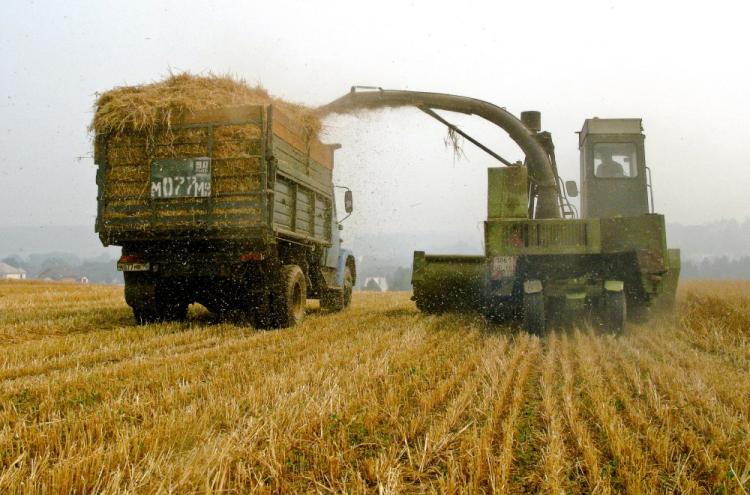
The one-day summit in Rome, Italy highlighted high food prices following Russia’s ban on grain exports. Prices of grain and rice began rising in July following massive wildfires in Russia that were sparked by a hot, dry summer. Flooding in Pakistan and China also took its toll on the products.
In early September, Russian Primer Minister Vladimir Putin placed a year-long ban on grain exports. The original ban was set from August to December.
Despite shortfalls in the world grain market, participants at the FAO meeting said there was no indication of an impending world food crisis.
The FAO released a report forecasting a good harvest and enough grain stock for the year. It also showed an increase in international wheat prices by 60 to 80 percent, a 40 percent price rise in corn, and a 7 percent price rise in rice since July.
“Unexpected crop failure in some major exporting countries followed by national policy responses and speculative behavior rather than global market fundamentals have been the main factors behind the recent escalation of world prices and the prevailing high price volatility,” according to the FAO.
Among the main causes of the problem identified in the meeting were insufficient information on crop supply and demand, a lack of market transparency, and unexpected changes.
“One of the reasons of volatility at world markets is the lack of information. Markets are not transparent, so any information coming from the world’s exporter or importer, may make markets collapse,” Yevgeniya Serova, an Russian agricultural market expert, told the BBC in the interview.
The FAO report forecasts that a 2010 global cereal production would be more than 2.4 billion tons, only 1 percent lower than last year, and the third largest crop on record.
The one-day summit in Rome, Italy highlighted high food prices following Russia’s ban on grain exports. Prices of grain and rice began rising in July following massive wildfires in Russia that were sparked by a hot, dry summer. Flooding in Pakistan and China also took its toll on the products.
In early September, Russian Primer Minister Vladimir Putin placed a year-long ban on grain exports. The original ban was set from August to December.
Despite shortfalls in the world grain market, participants at the FAO meeting said there was no indication of an impending world food crisis.
The FAO released a report forecasting a good harvest and enough grain stock for the year. It also showed an increase in international wheat prices by 60 to 80 percent, a 40 percent price rise in corn, and a 7 percent price rise in rice since July.
“Unexpected crop failure in some major exporting countries followed by national policy responses and speculative behavior rather than global market fundamentals have been the main factors behind the recent escalation of world prices and the prevailing high price volatility,” according to the FAO.
Among the main causes of the problem identified in the meeting were insufficient information on crop supply and demand, a lack of market transparency, and unexpected changes.
“One of the reasons of volatility at world markets is the lack of information. Markets are not transparent, so any information coming from the world’s exporter or importer, may make markets collapse,” Yevgeniya Serova, an Russian agricultural market expert, told the BBC in the interview.
The FAO report forecasts that a 2010 global cereal production would be more than 2.4 billion tons, only 1 percent lower than last year, and the third largest crop on record.